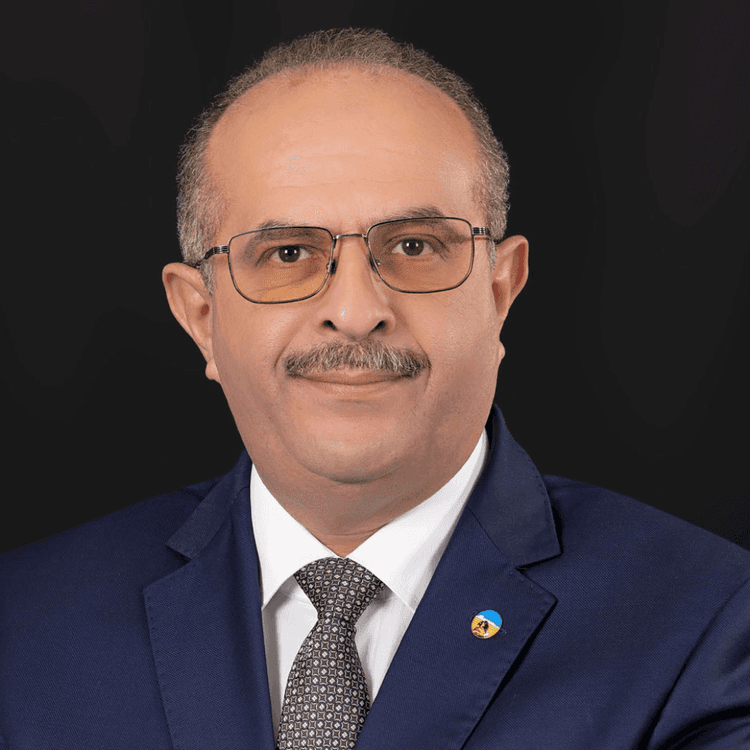
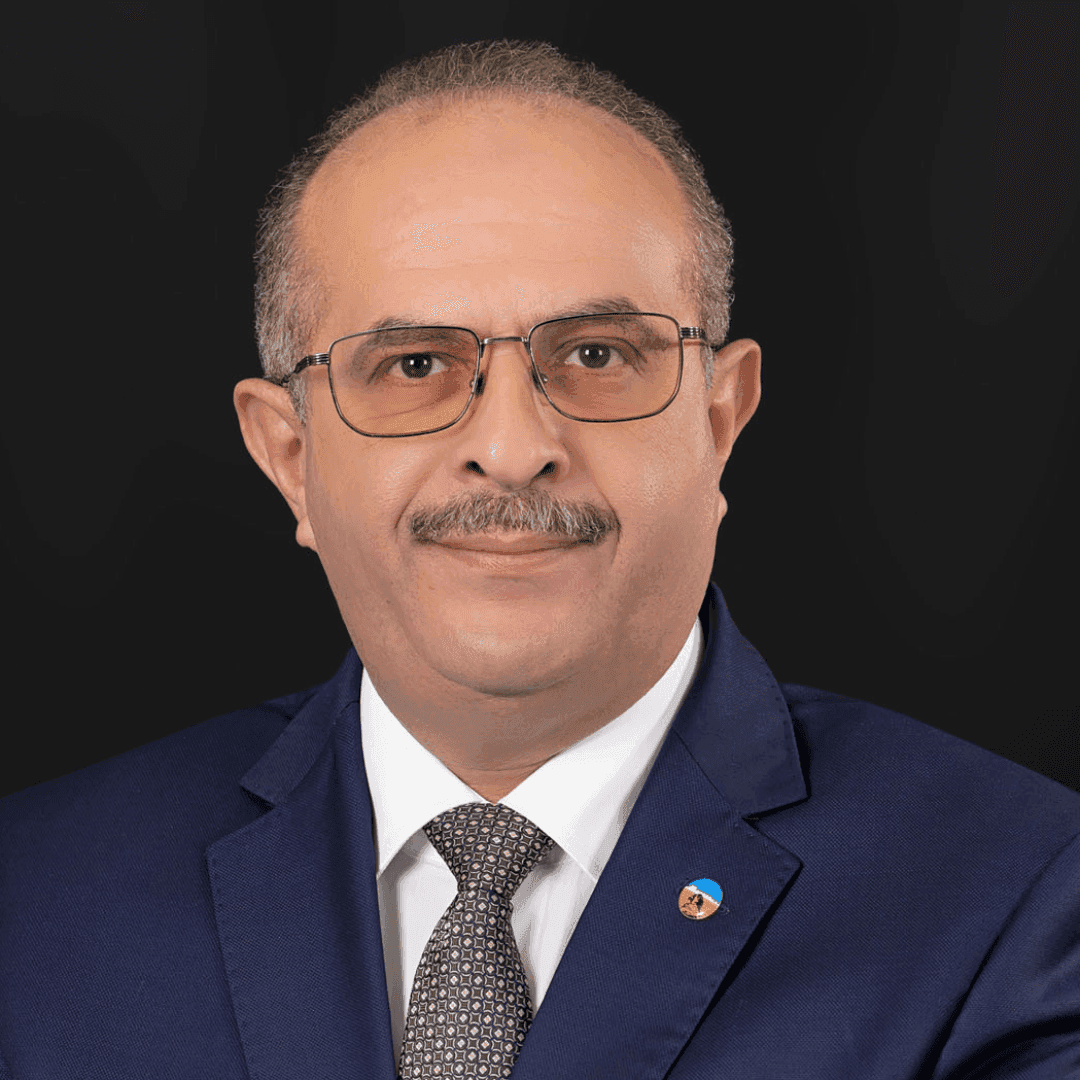
That kind of career gives someone a very different vantage point on the business than an executive who arrives from a purely commercial or financial background. El Assar's experience runs through water and wastewater systems, roads, bridges, grain silos, and housing developments, the kind of infrastructure work that makes up the bulk of what large regional contractors are asked to build across Egypt and the wider region. It also means he came into the top job with direct, hands-on knowledge of how the company's projects actually get delivered on site, rather than having to rely entirely on others to translate that into strategy.
The company he now leads carries a fair amount of institutional weight in Egypt. The Arab Contractors was founded in 1955 by engineer and entrepreneur Osman Ahmed Osman, who built it from a one-man operation into the firm behind the Aswan Dam contract, and it was nationalized in the early 1960s, continuing since as a state-linked construction group rather than a privately held family business. That history has shaped how leadership tends to work there, with careers generally built from within over decades rather than through outside executive hires, a pattern El Assar's own trajectory closely follows.
The company's current project list includes some of Egypt's more visible infrastructure work, including the Greater Cairo Metro system and the monorail line connecting the new administrative capital east of Cairo, along with dam and water infrastructure projects outside Egypt, including in East Africa. It also maintains a long-standing specialism in restoring historical monuments, a service line that sets it apart from most large regional contractors and connects back to Egypt's particular need for conservation work alongside modern construction.
With operations spread across dozens of branches in Africa and Asia, and a project mix spanning modern infrastructure, monument restoration, and industrial and marine works, El Assar now oversees a business that operates more like a diversified national institution than a typical private contractor, a legacy of its origins that has carried through to how it continues to develop leaders like him from within its own ranks.