Property News International

Change region:

GlobalcheckMiddle East

Subscribe to Our Newsletter

Sign up to receive the latest tech news and updates from Property News International straight to your inbox.

By signing up, you will receive emails about property news products and you agree to our terms of use and privacy policy.

@2026 Property News International. All Rights Reserved.

Blends Media
A Blends Media Group Production

The World’s Most Beautiful Arenas of 2025: A Global Design Showcase

Discover the World’s Most Beautiful Arenas of 2025, selected by Prix Versailles, showcasing groundbreaking global sports architecture across China, Germany, France, Japan and the United States.
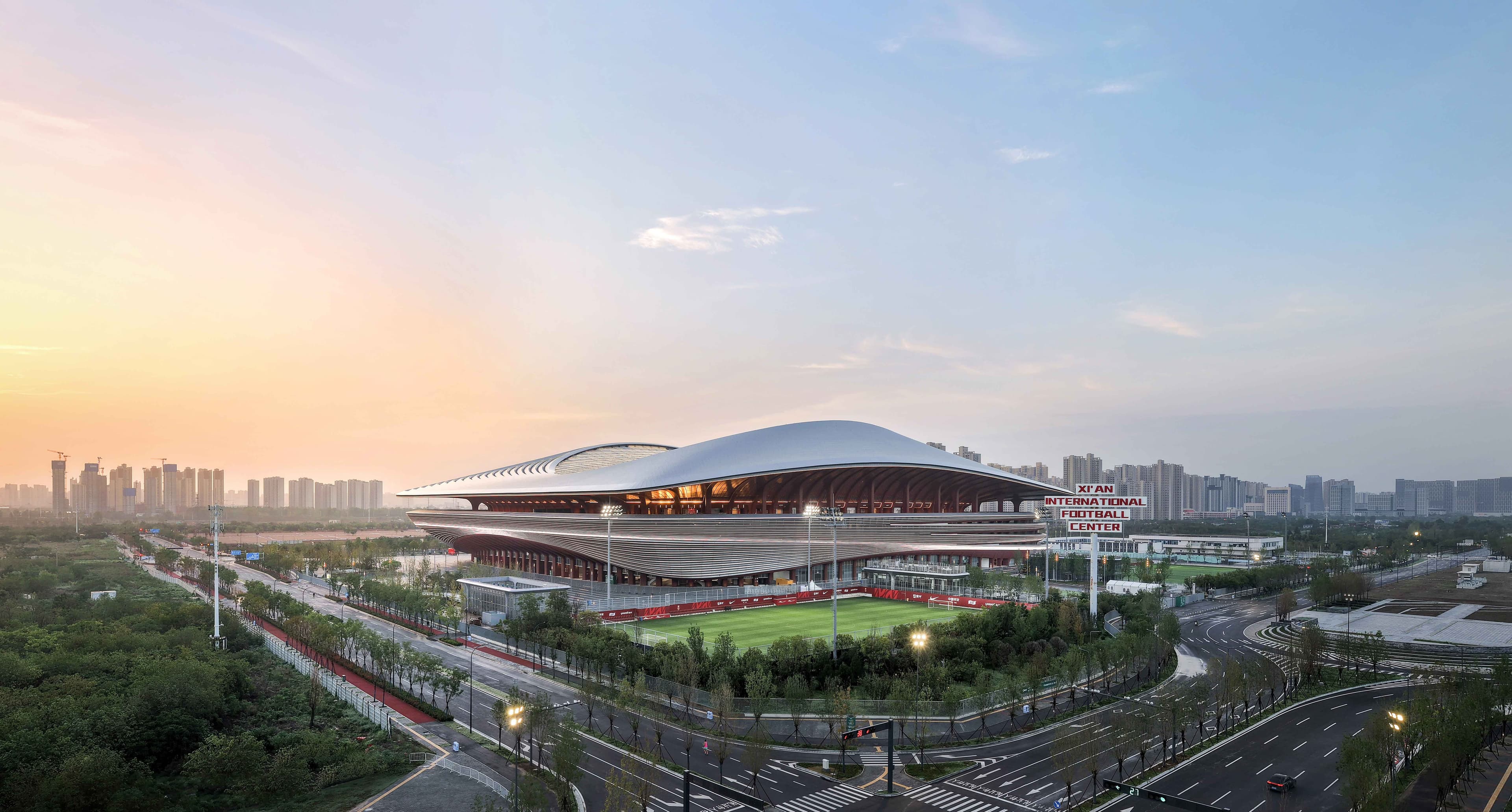
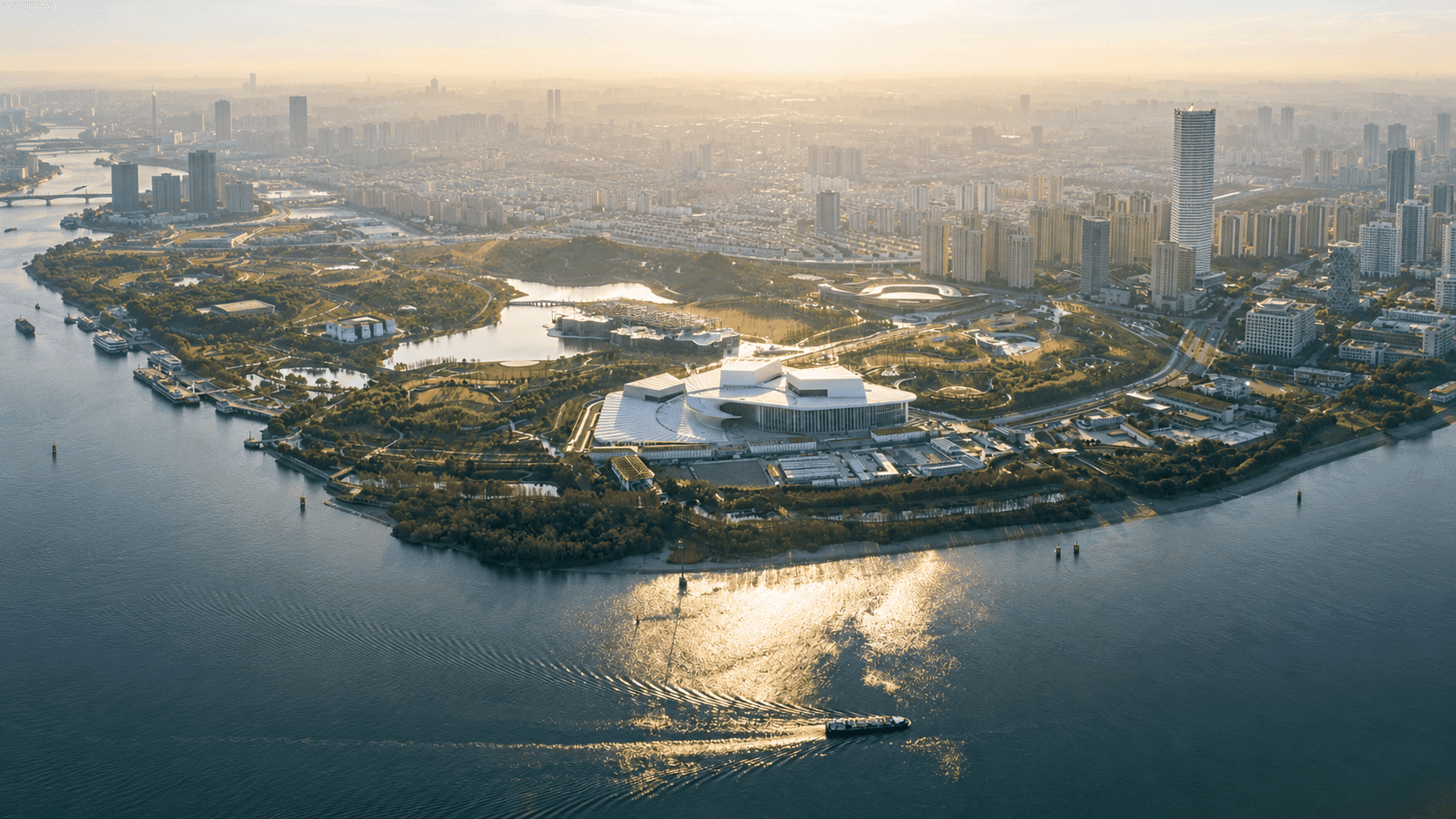
Xi’an International Football Centre, Xi’an (China) – by Zaha Hadid ArchitectsXi’an International Football Centre by Zaha Hadid Architects. (Image: Hufton + Crow)

The prestigious Prix Versailles has unveiled its 2025 list of “World’s Most Beautiful Arenas”, highlighting six exceptional venues around the world where architecture, culture and sport converge. “The expectations for these recently inaugurated arenas are lofty. Investing as they do in the future, they are designed to foster intergenerational bonds, international exchanges and local interactions,” said Secretary-General Jérôme Gouadain. “As a result, this type of infrastructure is increasingly expected not only to fit seamlessly into the city and region but also to be receptive to its populations’ aspirations, to be a source of inspiration for visitors and to constitute part of the area’s heritage.”

Below we present five of the standout arena projects recognised for their design excellence, venues that are not just sports facilities but dynamic civic landmarks.

1. Xi’an International Football Centre, Xi’an (China) – by Zaha Hadid Architects

Xian-International-Football-Centre_©HuftonCrowXi’an International Football Centre – by Zaha Hadid Architects. (Image: HuftonCrow)

This ultra-modern stadium and training complex in Xi’an’s Fengdong business district forms a new public frontier. The saddle-shaped structure accommodates up to 60,000 spectators and features south-facing terraces overlooking the Qin Mountains. A translucent membrane roof filters natural light while sheltering fans from wind and sun.

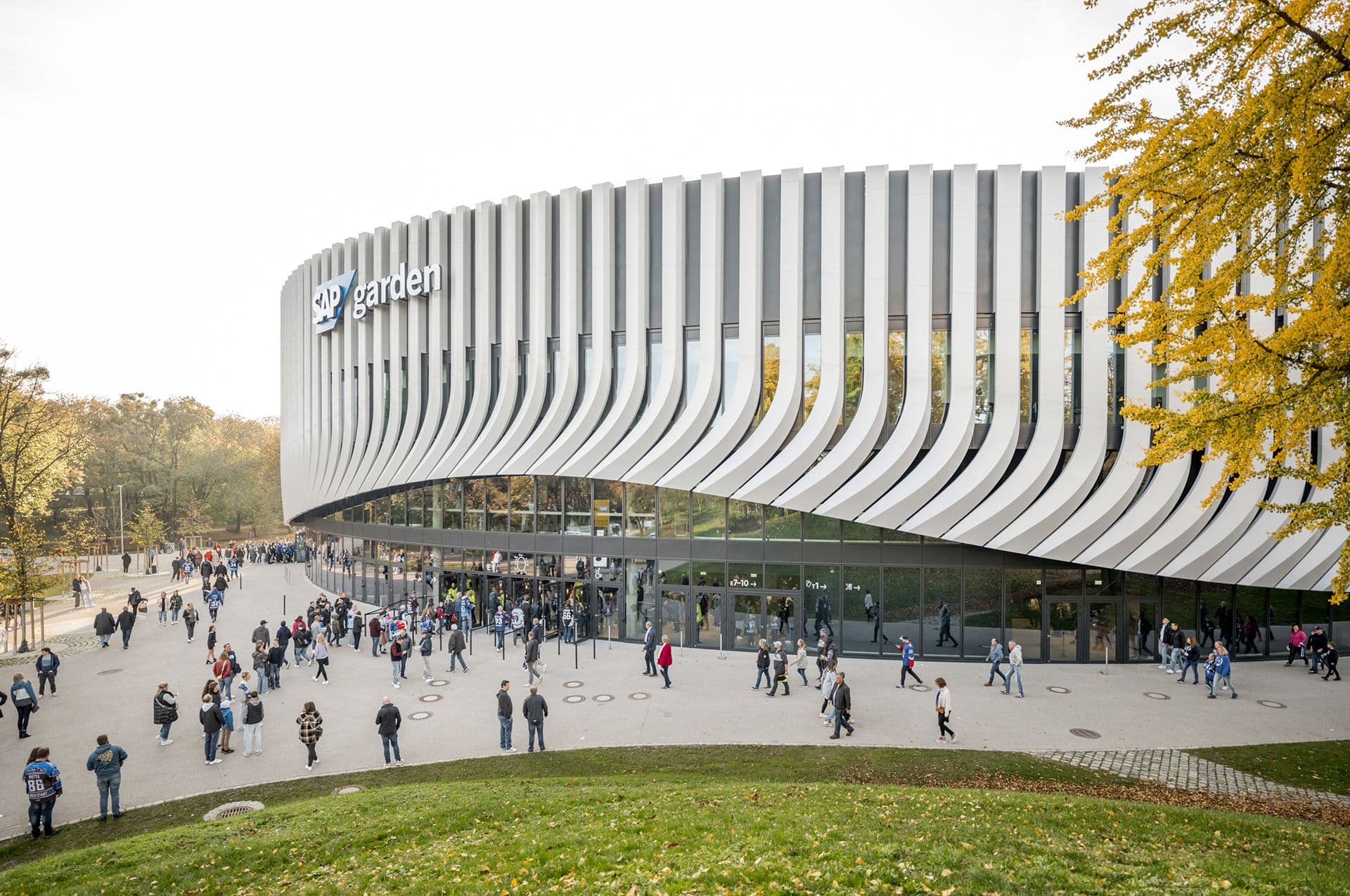
2. SAP Garden, Munich (Germany) – by 3XN

Exterior façade within Olympic ParkExterior façade within Olympic Park. (Image: SAP Garden)

Located within Munich’s Olympic Park, SAP Garden spans 62,500 m² and accommodates both ice hockey (10,700) and basketball (11,500) in a flexible arena. Featuring an artificial hill roof, public terrace and multi-use media spaces, it blurs lines between spectator venue and community asset.

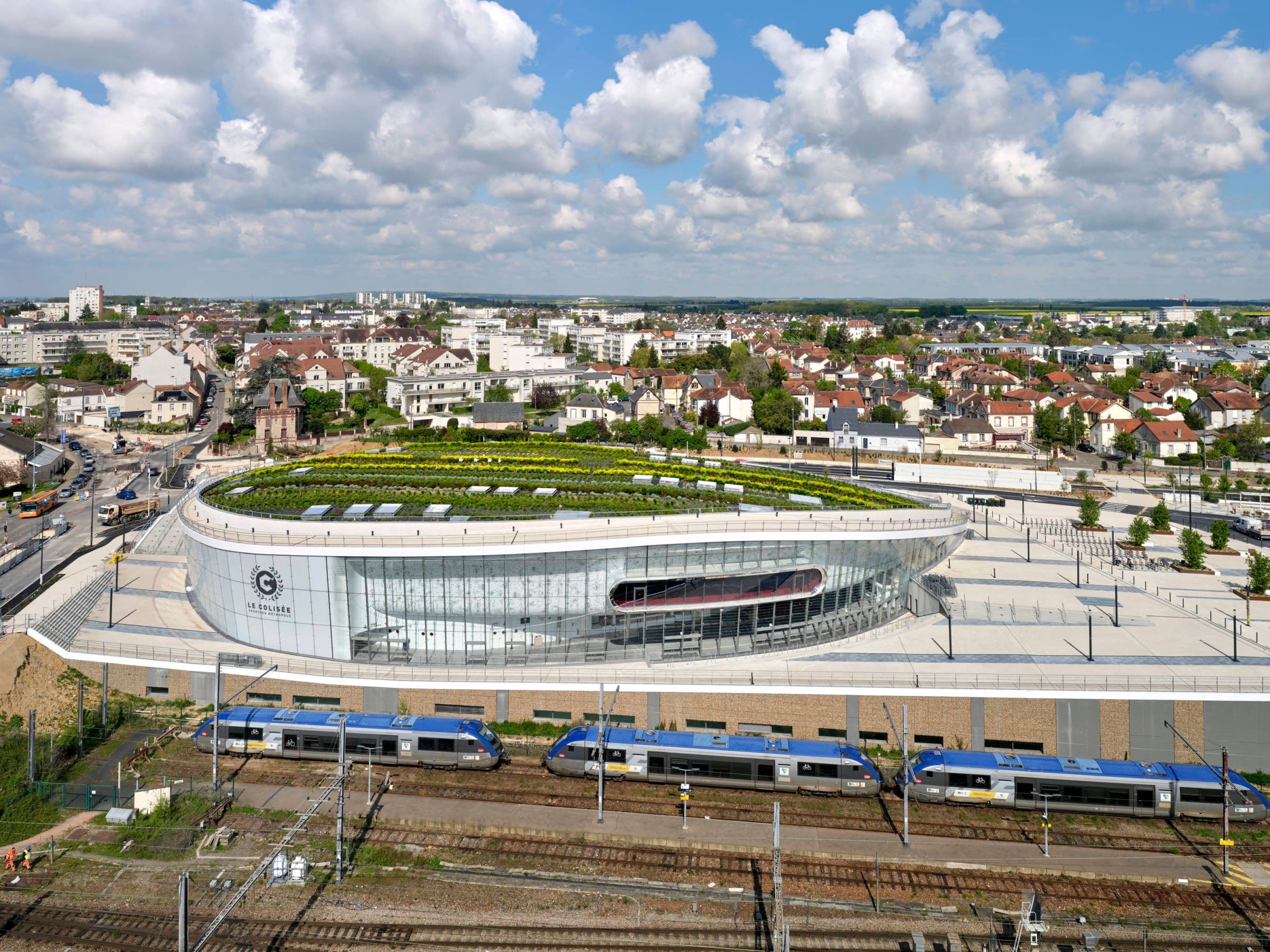
3. Le Colisée, Chartres (France) – by Groupe‑6

Le Colisée, Chartres (France) – by Groupe‑6Le Colisée​ by Groupe-6. (Image: Michel Denancé)

Placed near Chartres’ historic cathedral and railway station, Le Colisée features an elliptical hall inspired by ancient theatres. Linked via footbridge to transport networks, its rooftop garden and public promenade transform a former industrial site into a community anchor.

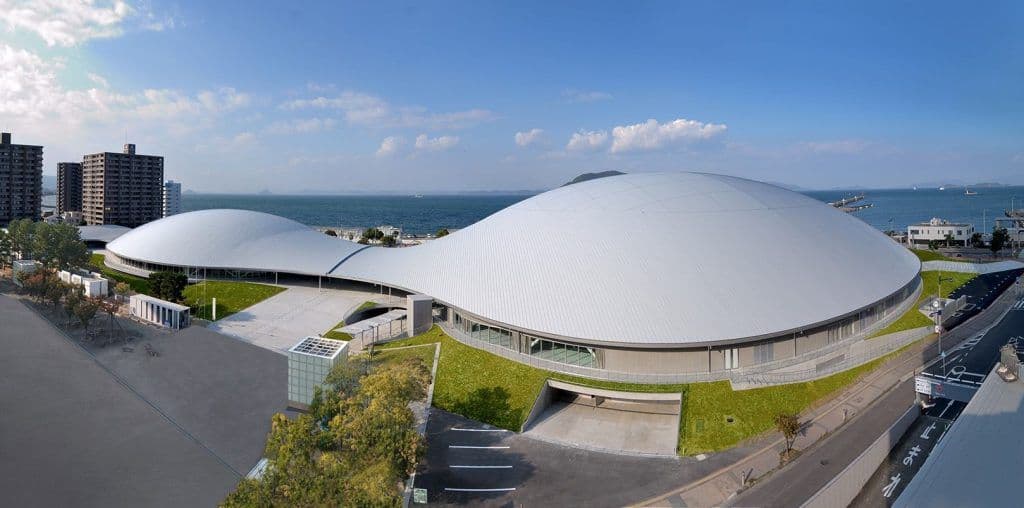
4. Kagawa Prefectural Arena (Anabuki Arena Kagawa), Takamatsu (Japan) – by SANAA

Kagawa Prefectural Arena​ by SANAA.Kagawa Prefectural Arena​ by SANAA.

In the port-side city of Takamatsu, the arena connects city, sea and park under a gently undulating roof that echoes nearby islands. With large picture-windows and pastel interior tones, the facility is as much a social space as a sports venue.

5. Caesars Superdome, New Orleans (United States) – by Trahan Architects

Caesars Superdome​ by Trahan Architects. (Image : Trahan Architects)Caesars Superdome​ by Trahan Architects. (Image : Trahan Architects)

One of America’s most iconic arenas, the Superdome underwent a major redesign to extend its lifespan. The updated structure features three light-filled corner atria and a striking aluminium rod façade that retains the landmark’s majestic character while modernising it for future use.

Why These Arenas Matter for the Built Environment

As cities plan new districts, tourism assets and lifestyle destinations, these award-winning arenas show how major sports facilities can:

  • Anchor regeneration projects
  • Create year-round public and commercial value
  • Strengthen city branding and cultural identity
  • Integrate seamlessly with transit, parks and mixed-use districts
  • Become part of long-term urban heritage

The 2025 winners highlight a global shift toward architecturally expressive, socially connected and multi-purpose sporting venues, a trend increasingly mirrored across the Middle East’s emerging mega-developments.