Sign up to receive the latest tech news and updates from Property News International straight to your inbox.
By signing up, you will receive emails about property news products and you agree to our terms of use and privacy policy.
@2026 Property News International. All Rights Reserved.
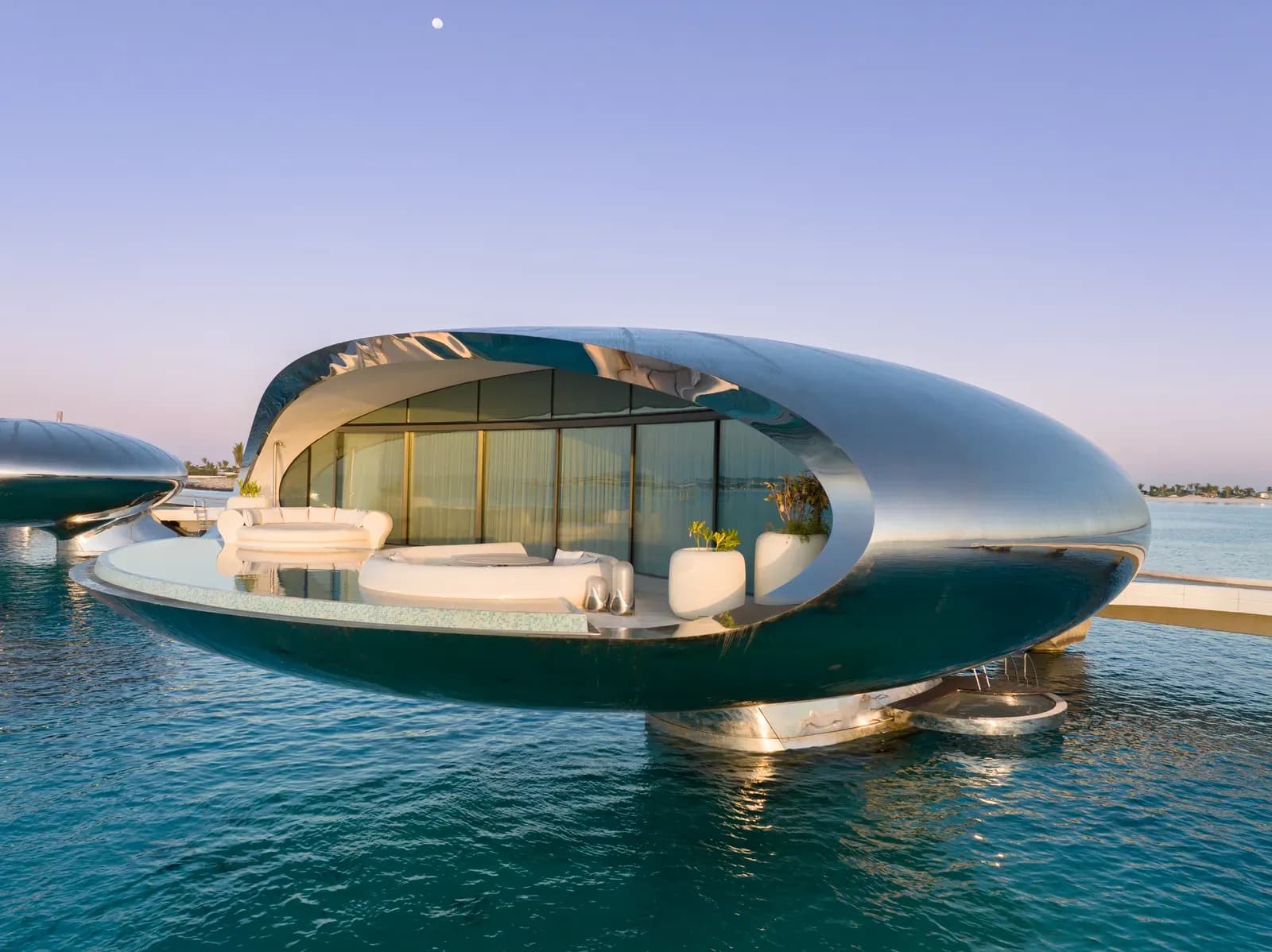
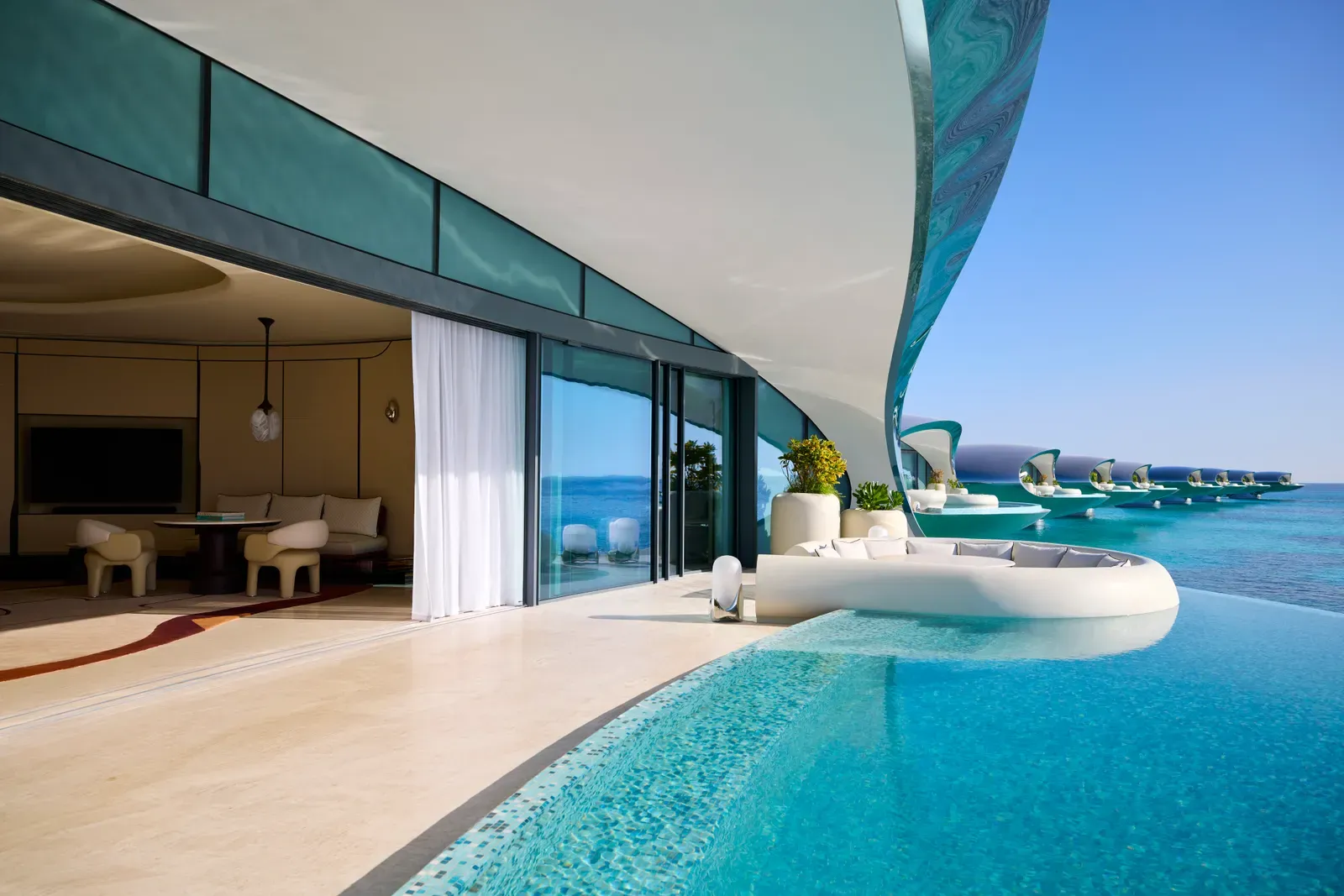
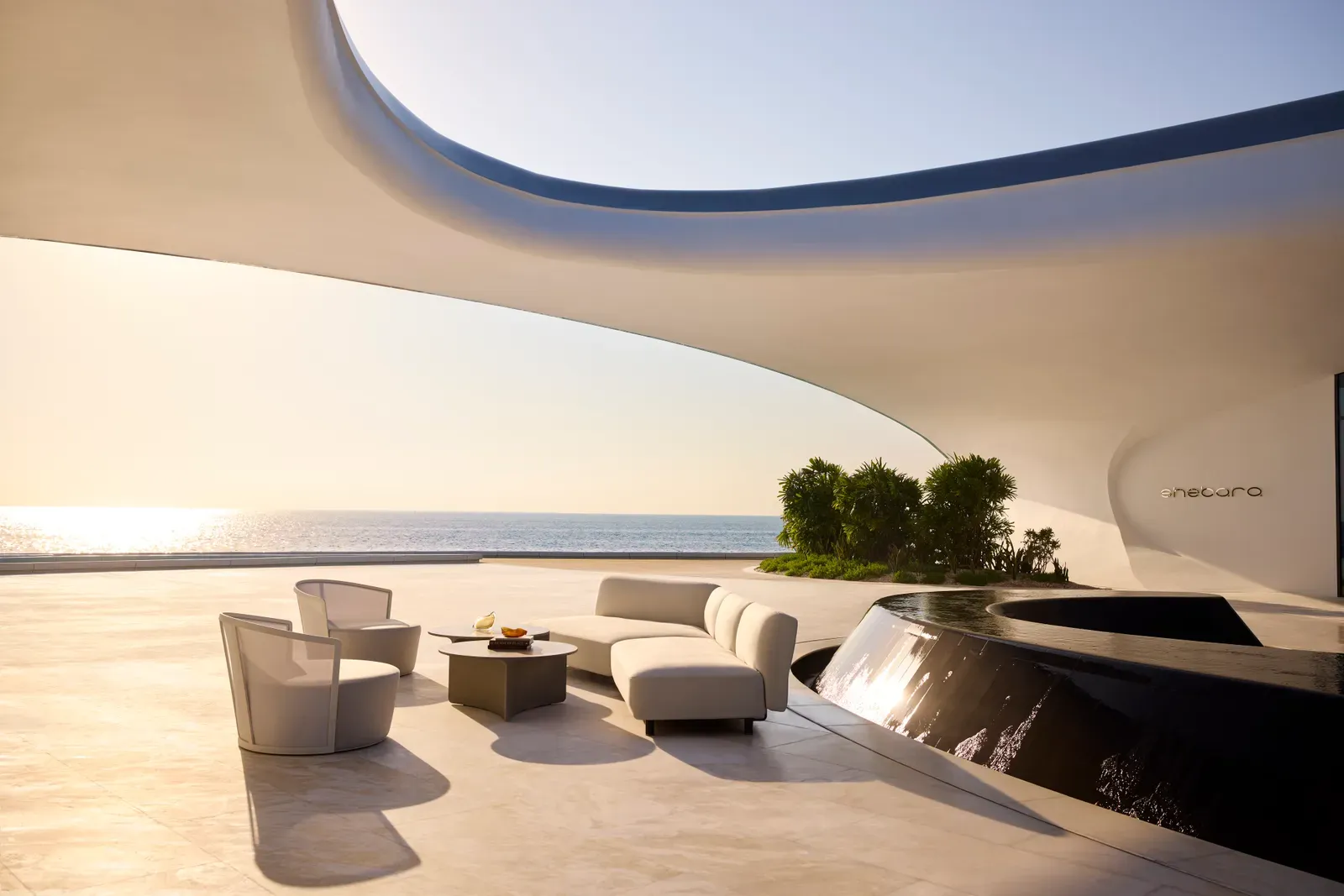
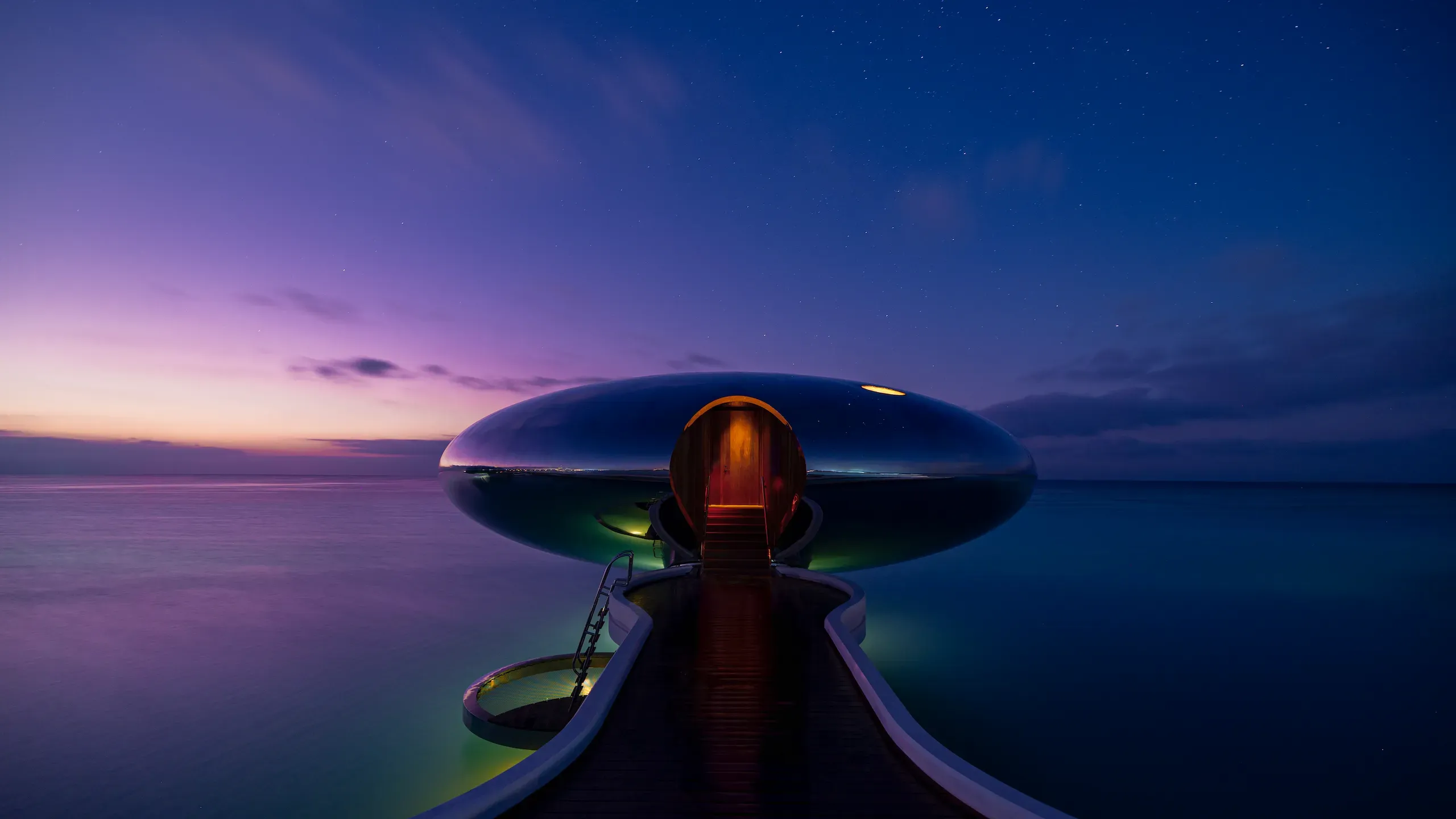
Stainless-steel overwater villas reflect the sky and sea, creating Shebara’s signature floating effect.Sheybarah Island, Saudi Arabia: Designed by Killa Design and operated by Red Sea Global, the Shebara Resort stands as one of the world’s most advanced examples of autonomous, sustainable hospitality. Entirely powered by an on-island solar farm and supported by independent desalination and waste-processing systems, the resort introduces a new benchmark for regenerative tourism with its Zero-X commitment: zero energy, zero water and zero waste.
Strategically located on Sheybarah Island within the Red Sea destination, the resort aligns with the Kingdom’s Vision 2030 goals for economic diversification, sustainable development and the creation of globally recognisable landmarks. By investing in highly complex, eco-driven engineering, Saudi Arabia reinforces its commitment to building a luxury tourism sector supported by non-hydrocarbon economic pillars.
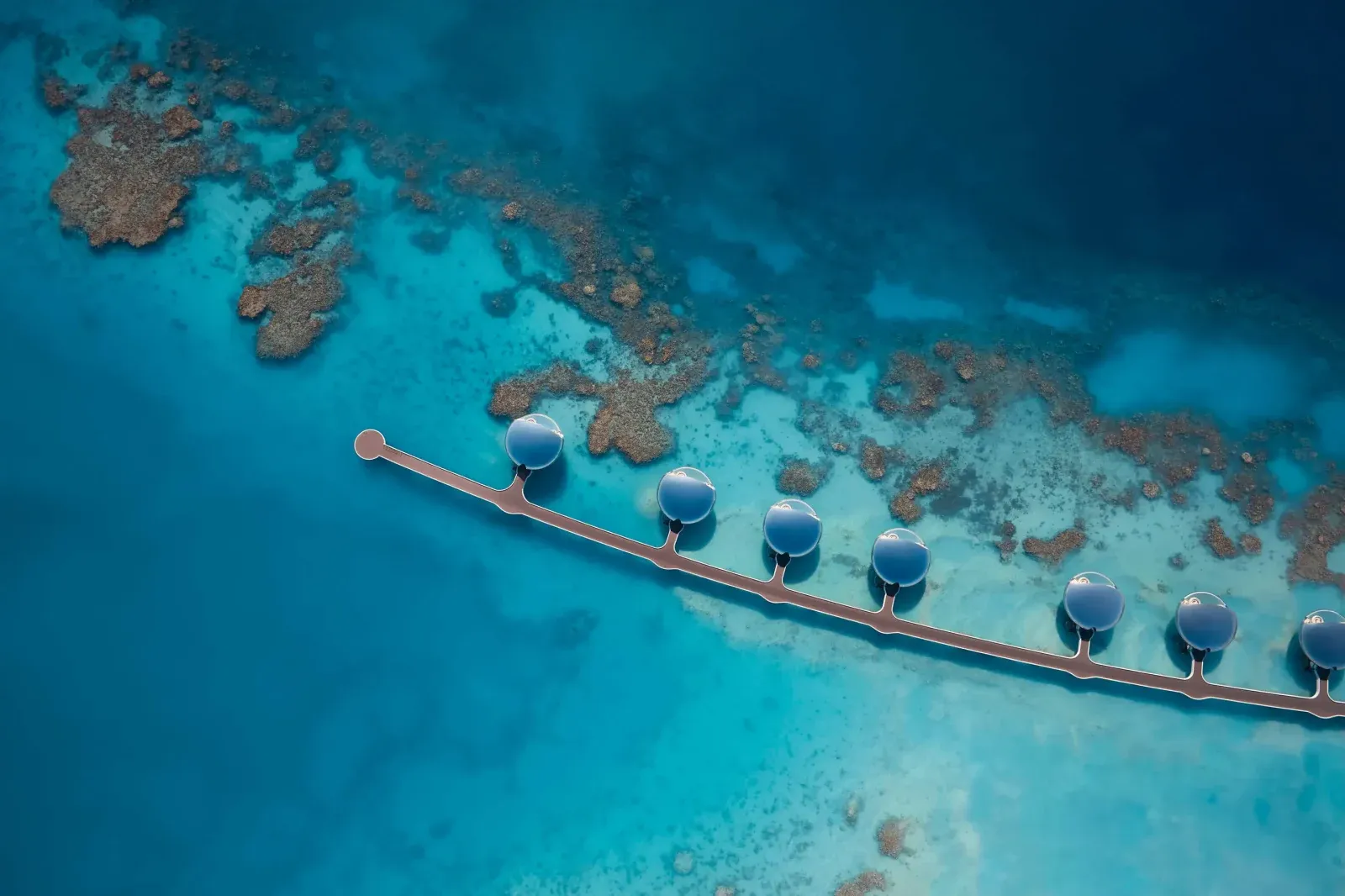
Shebara’s net-zero master plan combines solar power, smart systems and climate-responsive design.
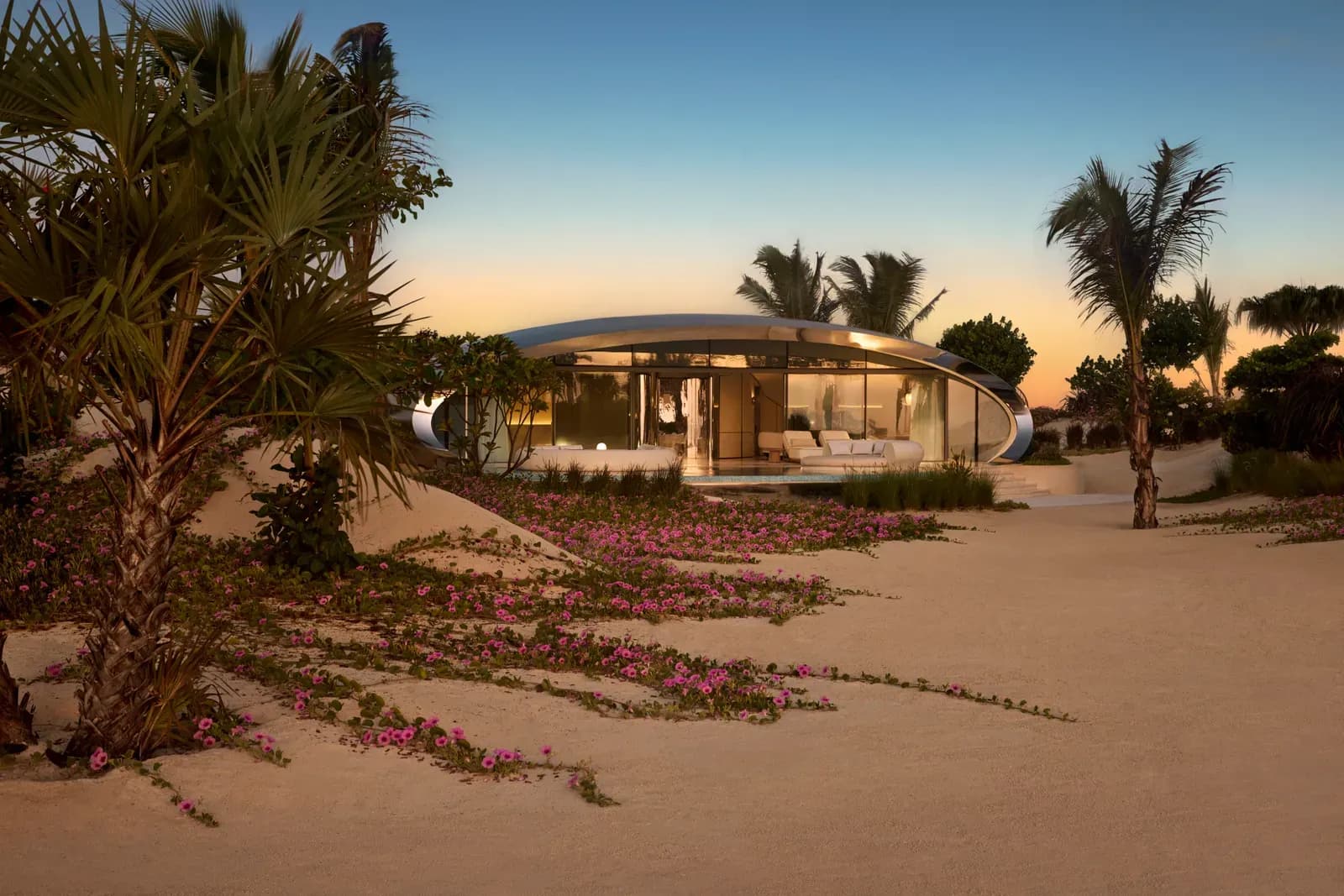
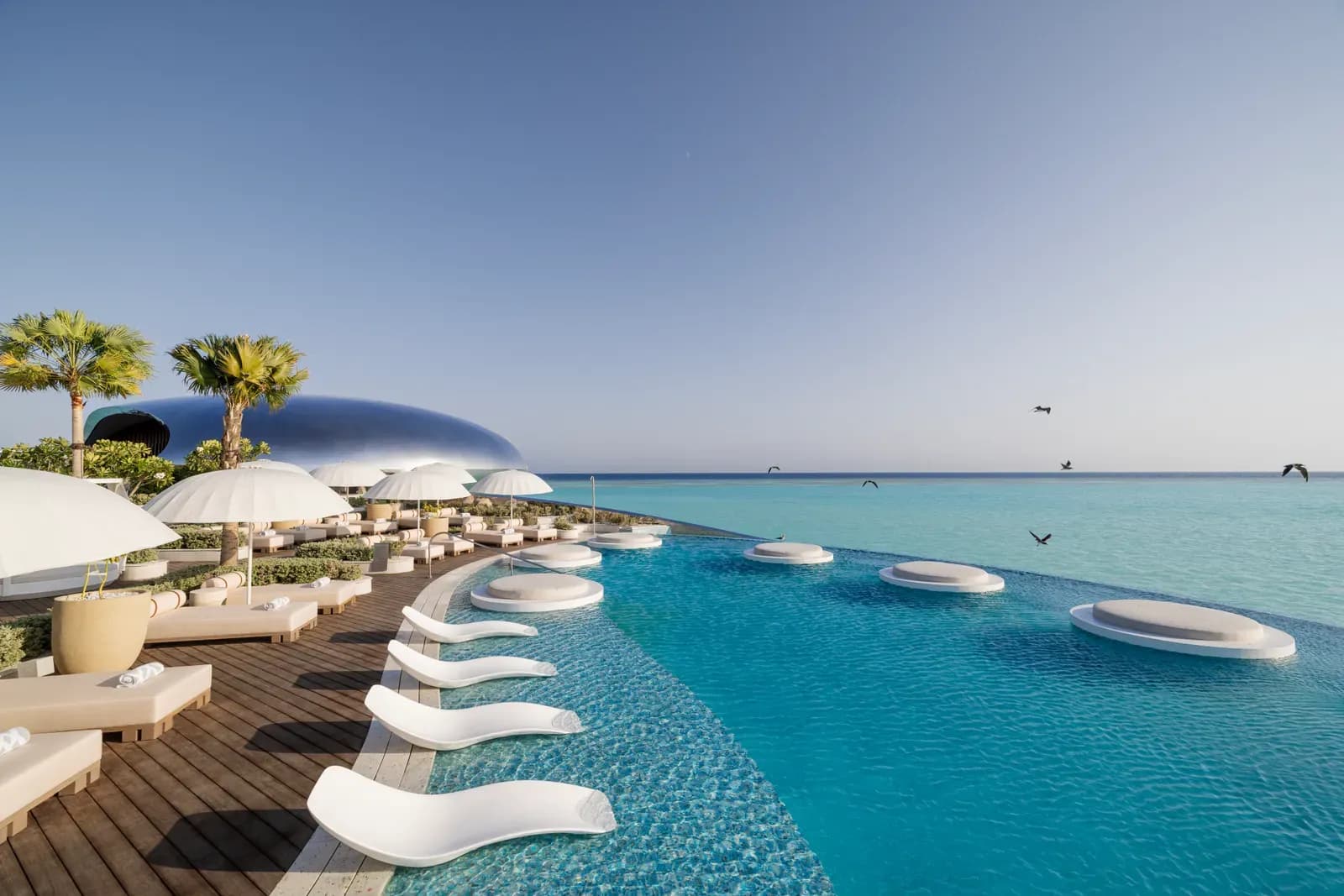
Known for designing Dubai’s renowned Museum of the Future, Killa Design sculpted Shebara Resort as a sequence of spherical structures inspired by natural pearls and rising ocean bubbles. The polished stainless-steel villas reflect the sky and sea, creating a visual effect of floating above turquoise waters.
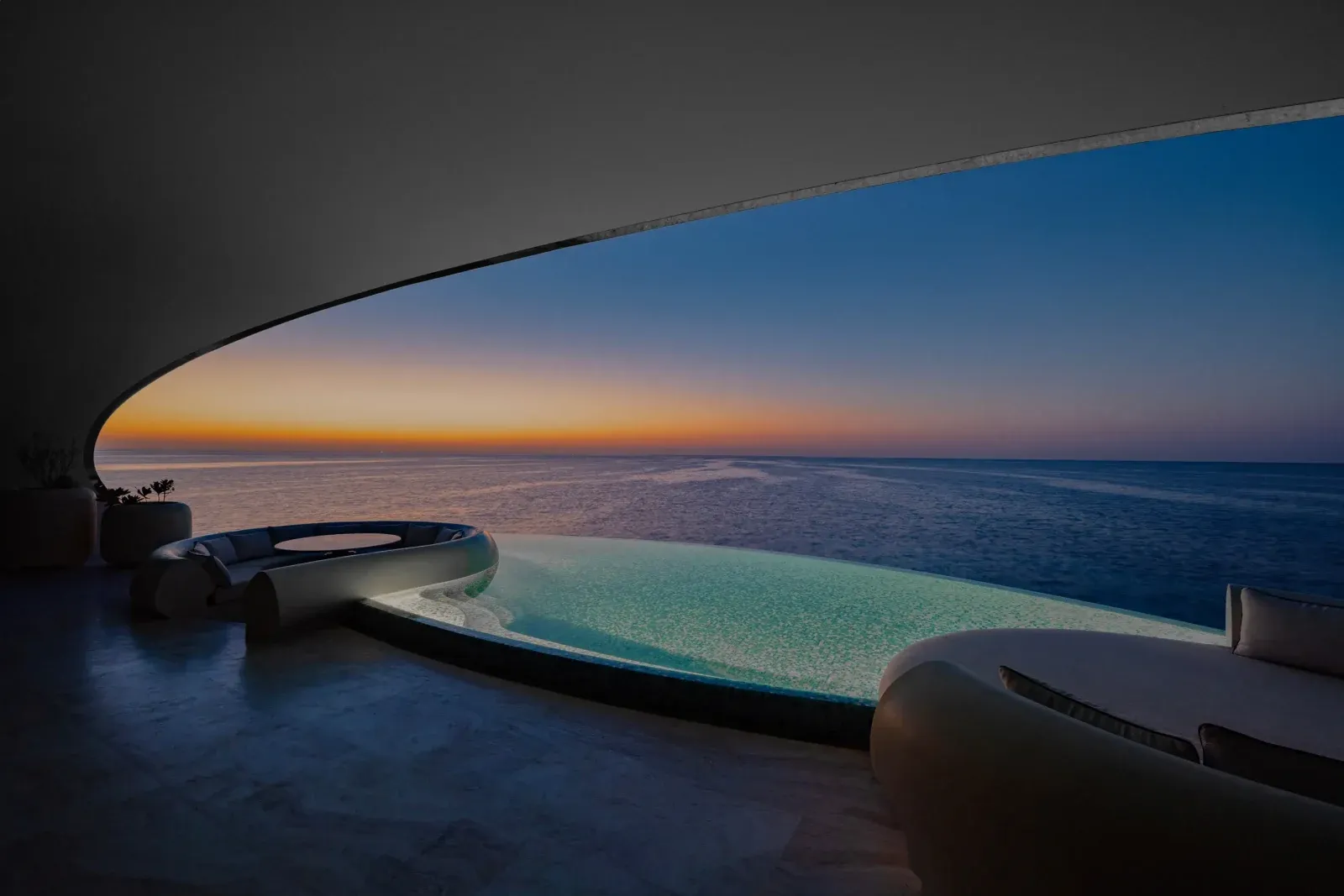
The resort’s master plan comprises 73 villas — 38 overwater and 35 beachfront — each finished in reflective stainless steel. Cantilevered above the water, the overwater villas dissolve into the horizon, enhancing the project's futuristic aesthetic while maintaining durability in a marine environment.
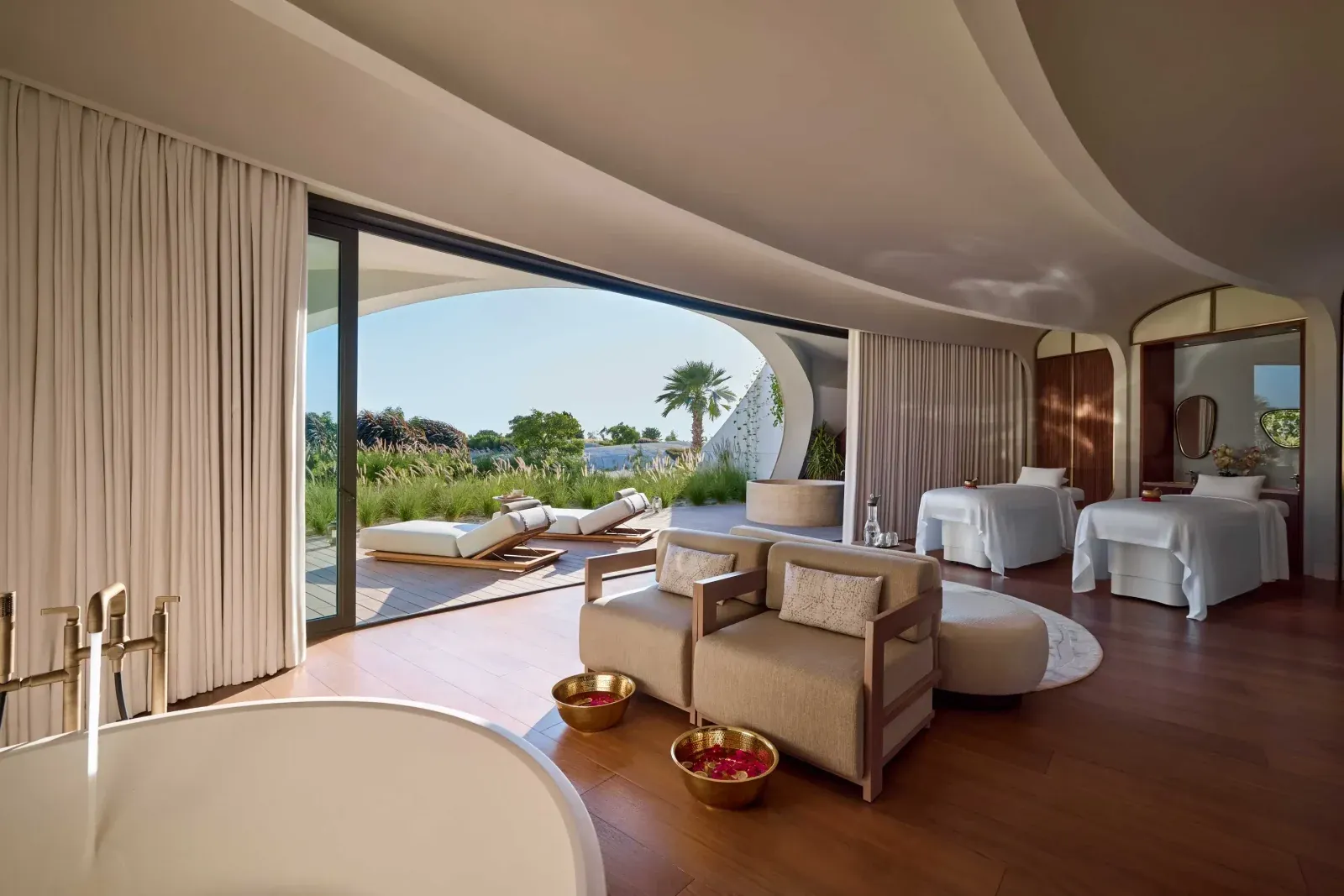
Studio Paolo Ferrari’s interiors highlight organically sculpted details, including monolithic bed platforms, carved oak vanities, and cantilevered mirrors set beneath softly curved ceiling planes.
The resort’s polished spherical villas form a futuristic silhouette across Sheybarah Island.The mirror-polished stainless-steel shell offers exceptional corrosion resistance and reduces heat absorption, supporting the resort’s net-zero cooling strategy.
Interiors by Studio Paolo Ferrari contrast the futuristic exterior with tactile materials such as travertine, stone and warm wood tones. Organically sculpted furnishings — monolithic bed platforms with integrated nightstands, carved-oak vanities and cantilevered mirrors — create a sense of comfort and refinement, punctuated by subtle deep-red accents.


To minimise ecological impact, all villas were fully prefabricated, fitted out and commissioned offshore in the UAE before being transported to Sheybarah Island — a complex logistical effort that preserved the marine ecosystem.
Shebara’s infrastructure includes a 110,000-square-meter solar farm, enabling complete off-grid operation. Its integrated recycling and waste-processing systems support the resort’s target of achieving net-zero-carbon tourism.
The built environment is managed through advanced Building Management System (BMS) tools featuring AI-driven analytics and IoT integration, optimising HVAC, lighting and water systems while reducing operational costs.
As part of its environmental mission, Red Sea Global engages guests through educational programming on coral restoration, mangrove expansion and marine conservation.


Location: Sheybarah Island, The Red Sea Destination
Concept Ideation: Oppenheim Architecture
Architects: Killa Design
Developer: Red Sea Global
Interior Design: Studio Paolo Ferrari
Photo Credits: © Katarina Premfors

Schiaparelli’s Fall/Winter 2026-27 Haute Couture collection began with Gaudí’s architecture

Regnum The Crown brings all-suite luxury, wellness, dining and golf experiences to Belek, Antalya

Kengo Kuma’s Capella Kyoto Hotel reinterprets Kyoto’s machiya heritage

Yibin transforms its rail hub into a 9 million sq ft mixed-use urban destination