Sign up to receive the latest tech news and updates from Property News International straight to your inbox.
By signing up, you will receive emails about property news products and you agree to our terms of use and privacy policy.
@2026 Property News International. All Rights Reserved.
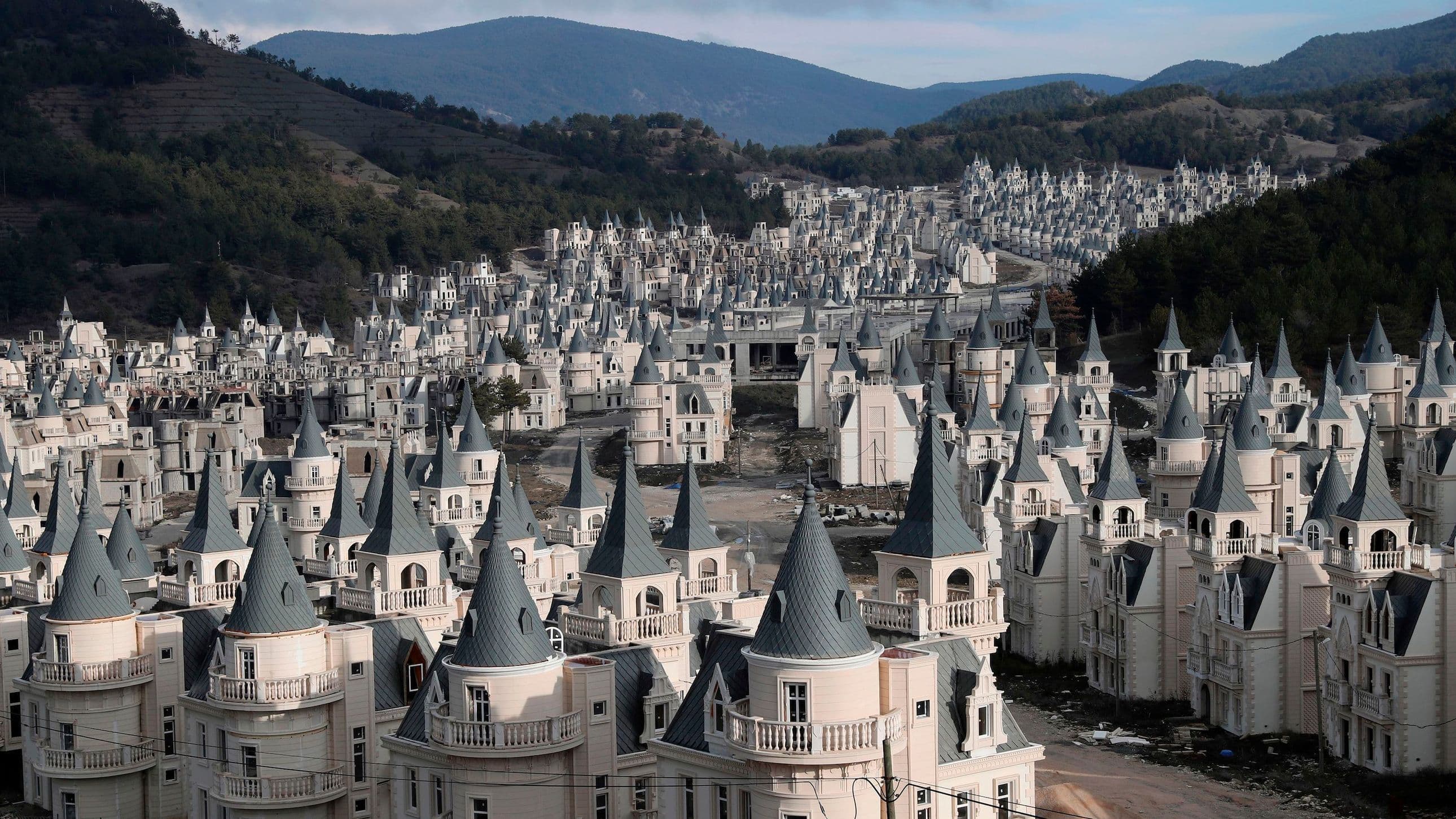
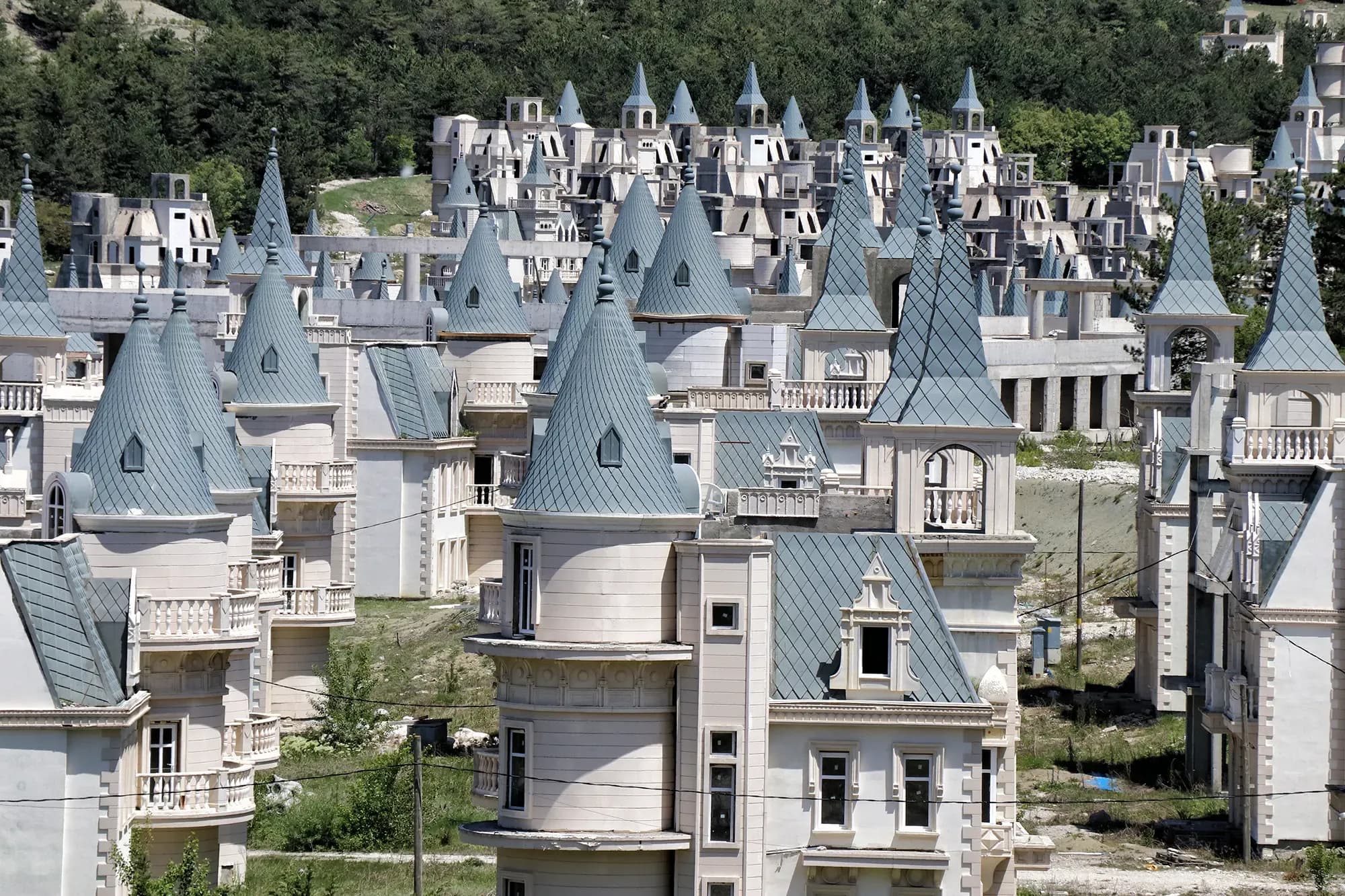
Burj Al Babas - Türkiye’s unfinished castle project. Photo: Getty ImagesMudurnu, Türkiye: Nestled in the hills of Mudurnu, Burj Al Babas stands as one of the most unusual and striking real estate developments in recent memory, an unfinished landscape of identical, fairytale-like castles that has come to symbolise both ambition and overreach.
Developed in the early 2010s by Sarot Group, the project was conceived as a luxury residential enclave targeting international buyers, particularly from the Gulf region. The vision was to create a distinctive destination that blended European-inspired architecture with high-end lifestyle amenities, positioning the development as a unique offering within Türkiye’s real estate market.
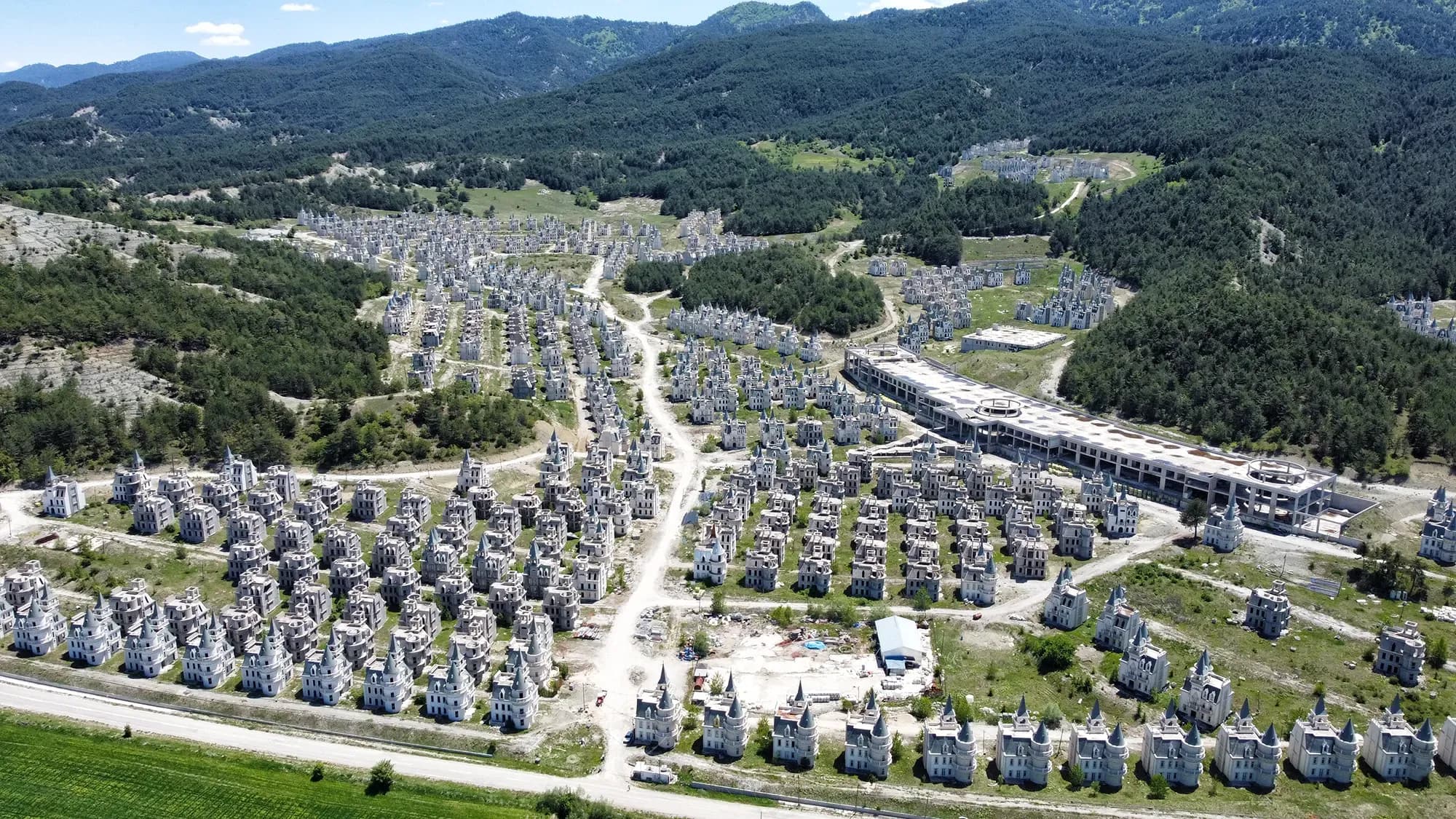
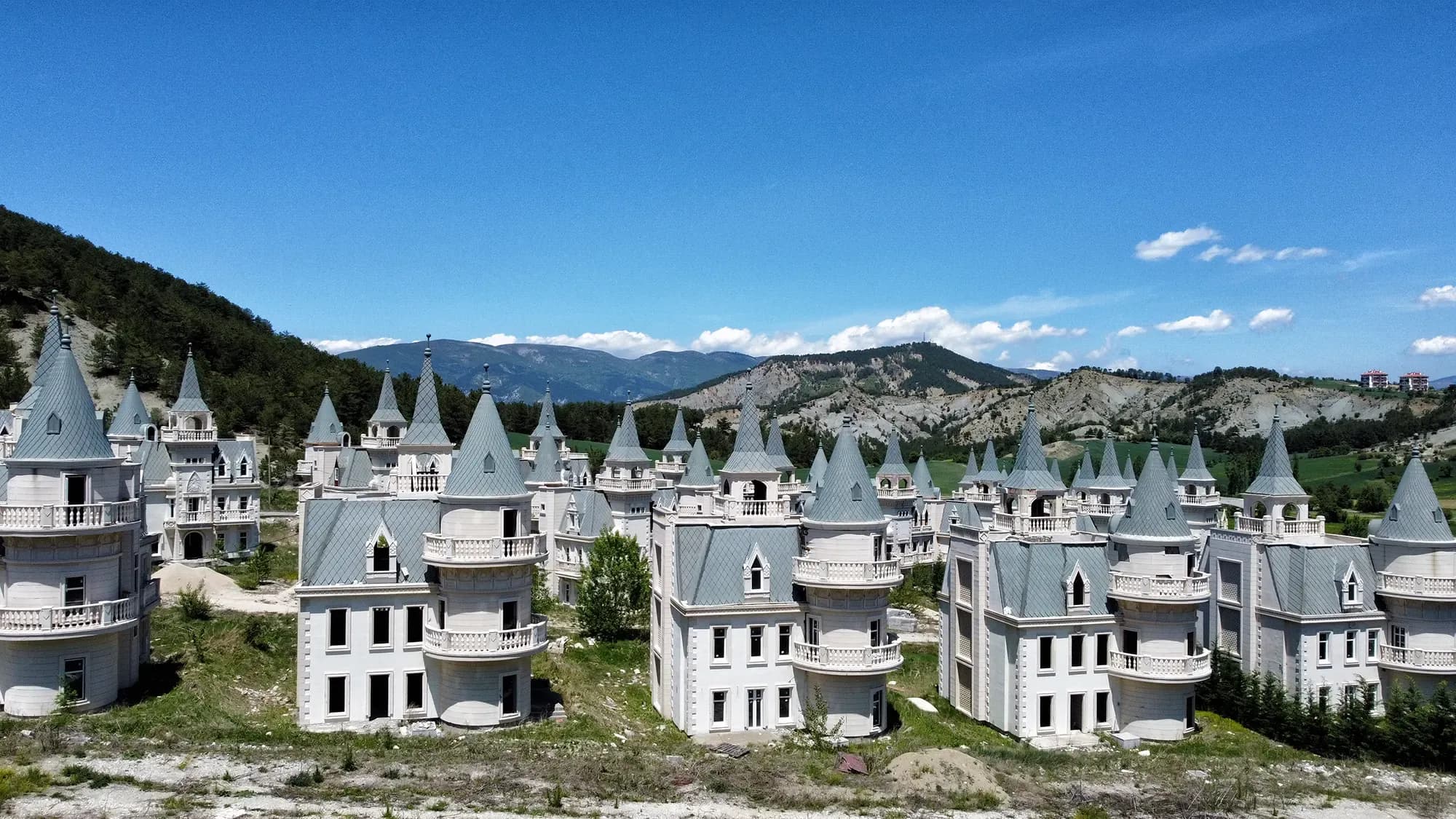
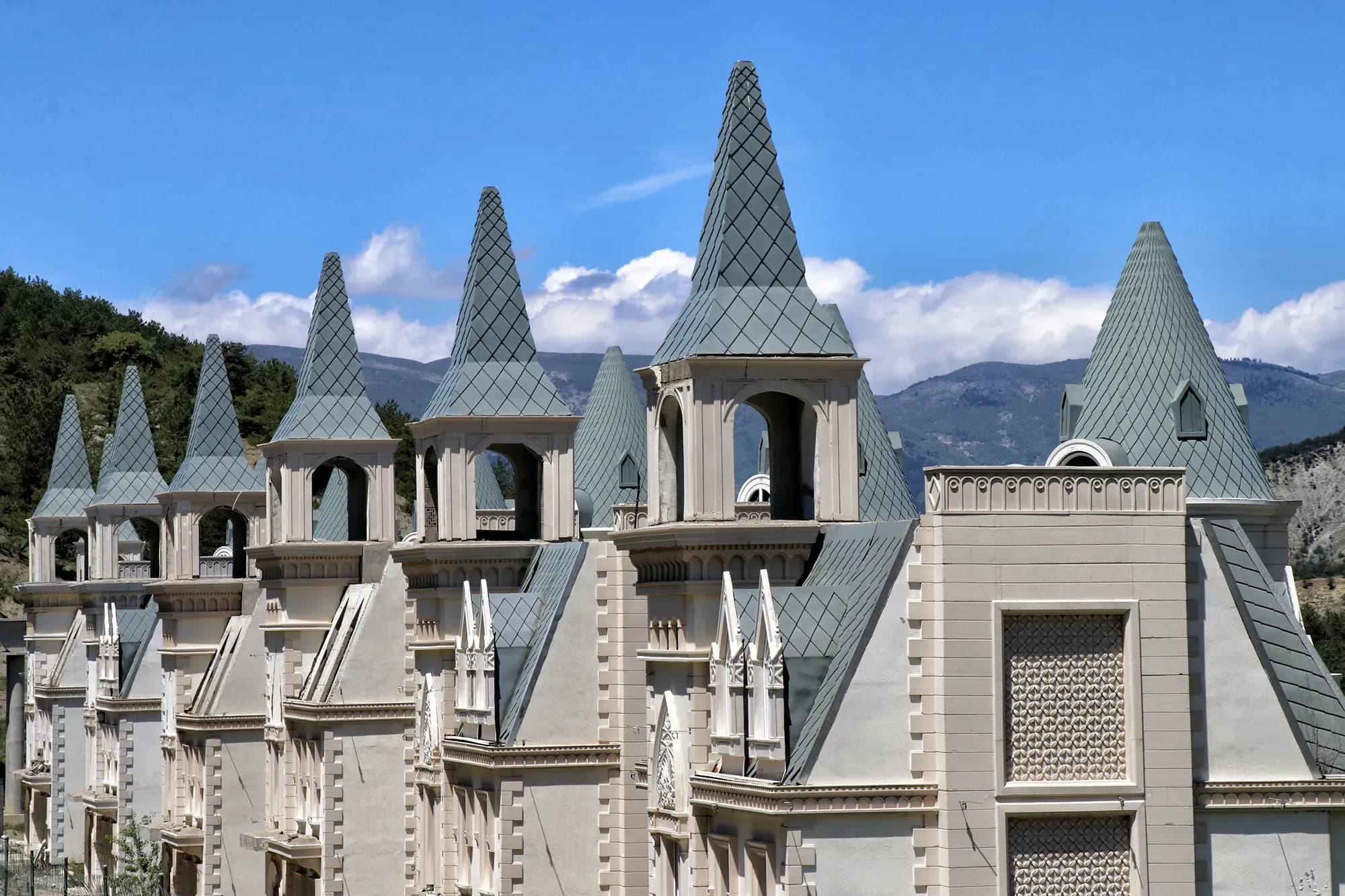
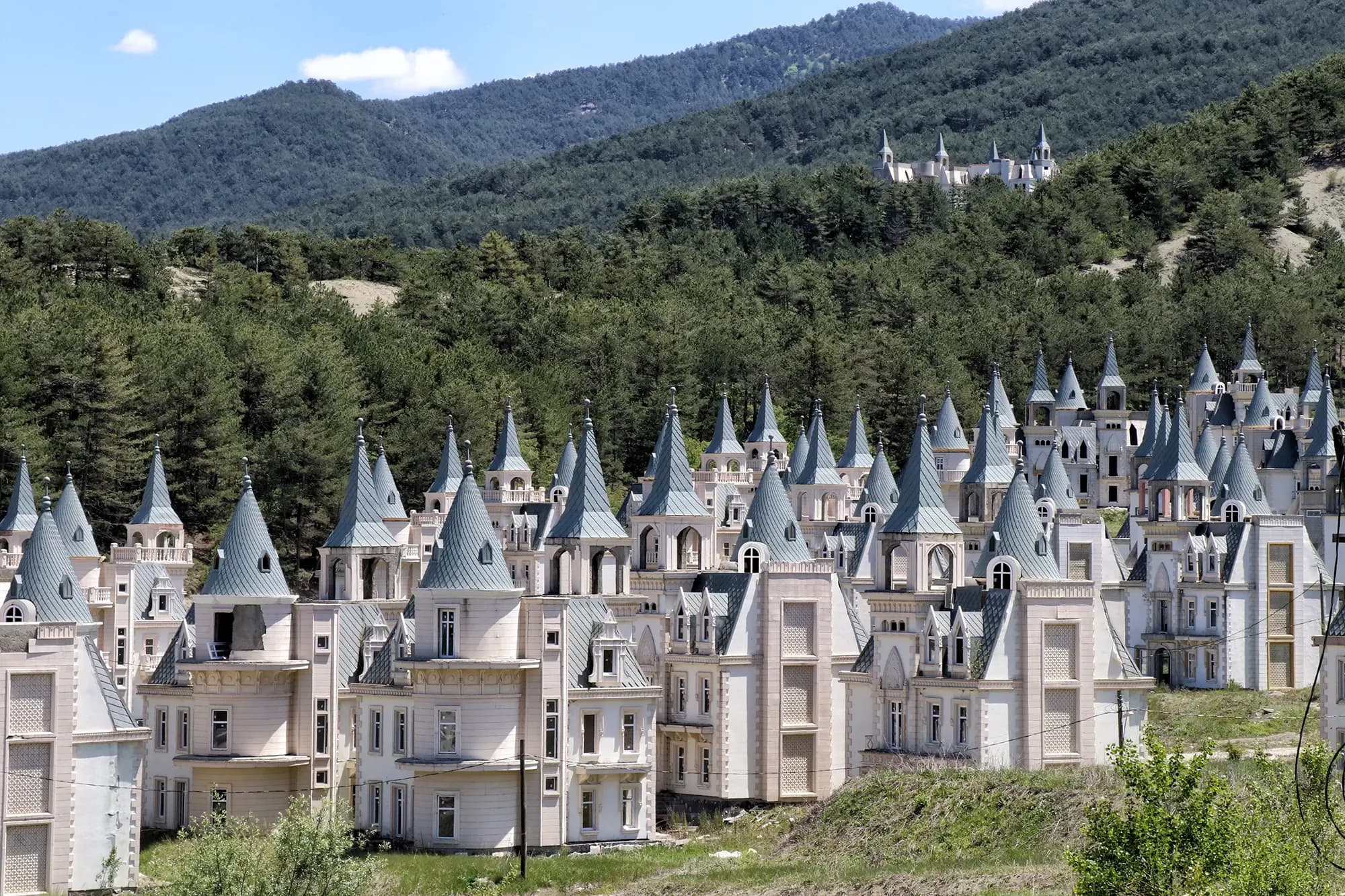
An overview of the gigantic site of Burj Al Babas. Image: Danny van der MeijdenThe masterplan included more than 700 château-style villas, each featuring turrets, balconies, and ornate façades designed to evoke a romantic, fairytale aesthetic. Complementing the residential component were plans for spas, wellness facilities, and commercial areas intended to support a self-contained luxury community.
At its peak, the development aimed to redefine hillside living through scale and thematic design. However, by 2018, financial difficulties forced construction to halt, leaving the majority of the project incomplete and uninhabited.
Image: Danny van der Meijden
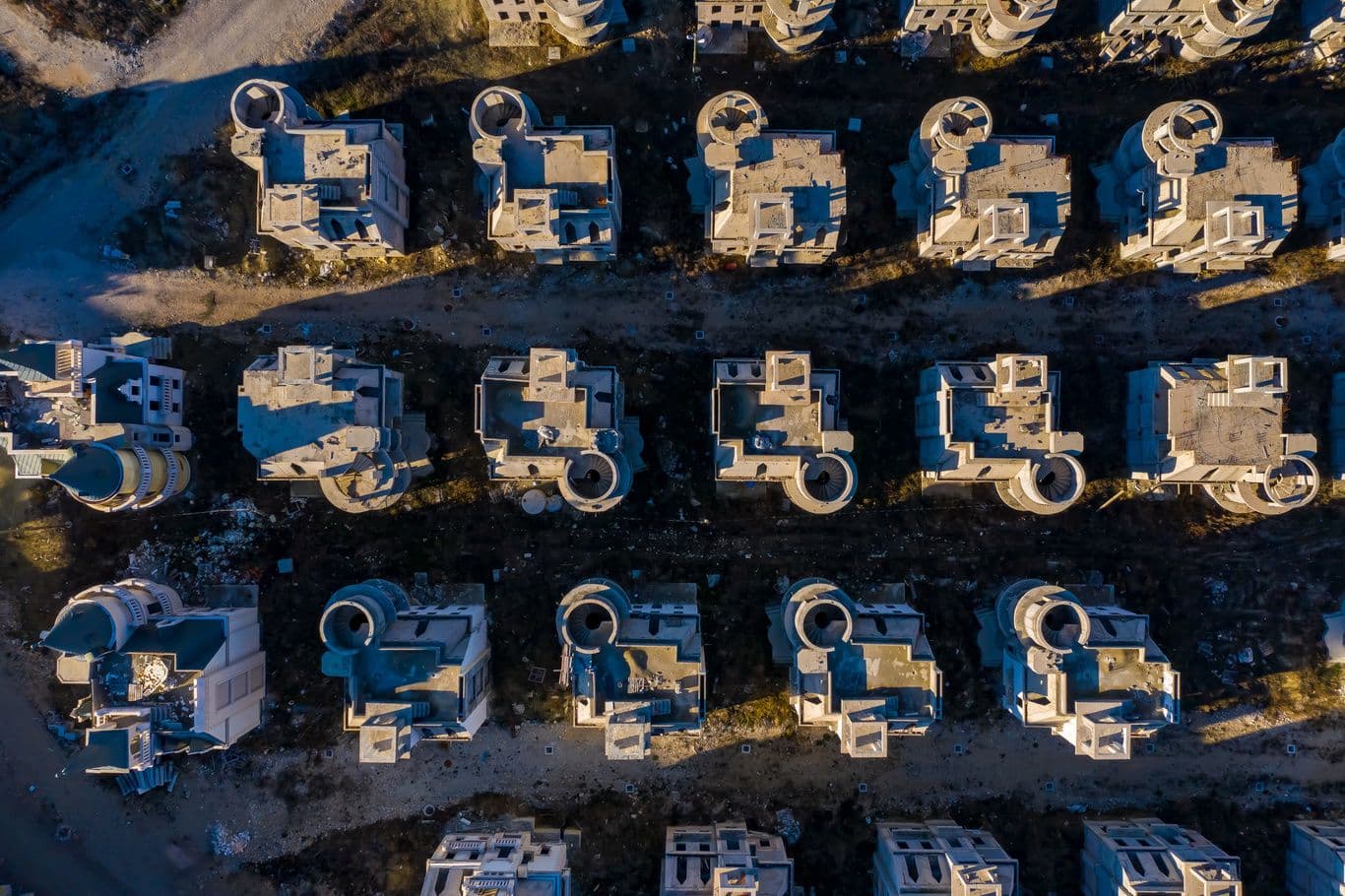
Image: Danny van der MeijdenWhat remains today is a surreal visual composition defined by repetition. Rows upon rows of identical villas extend across the hillside, creating a striking yet unsettling uniformity.
The concept, originally intended to deliver exclusivity, instead raises a broader question about the nature of value in real estate. When design becomes standardised at scale, the distinction between luxury and mass production begins to blur.
The repetition transforms what was meant to be aspirational into something almost industrial, challenging traditional perceptions of individuality and desirability in high-end developments.
Image: Danny van der Meijden
Image: Danny van der MeijdenBurj Al Babas now exists in a state between concept and completion, neither fully realised nor entirely abandoned. It serves less as a functional residential community and more as a physical reminder of how quickly large-scale ambition can shift when market conditions change.
The project also reflects the risks associated with highly thematic developments that rely on a narrow target market, particularly when external economic factors impact investor demand.
Aerial view of Burj Al Babas’ symmetrical layout and half-finished villas scattered with construction debris, Mudurnu, Bolu, Türkiye, Feb. 22, 2022. Image: Adobe Stock Photo
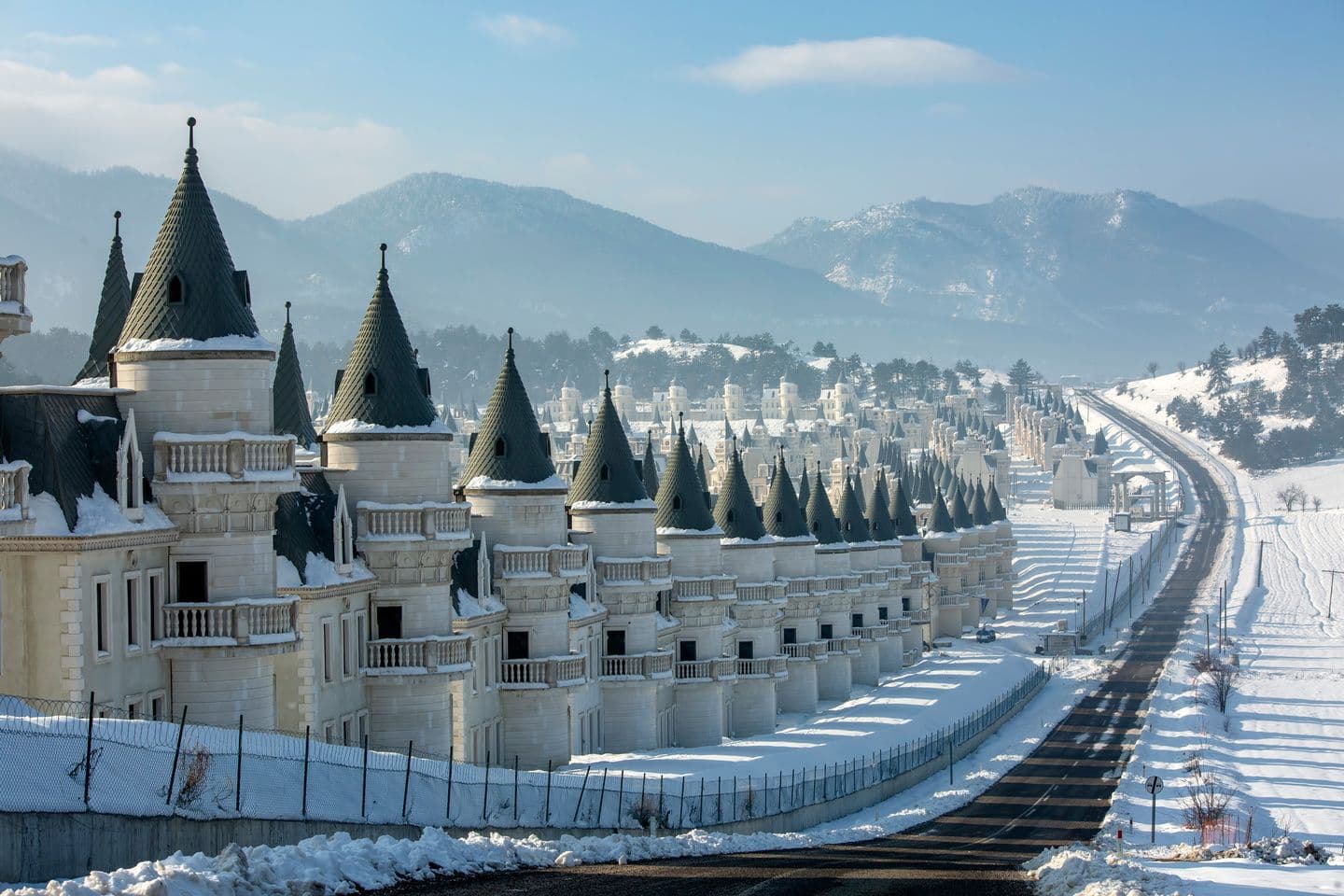
Closer view of snow-draped Burj Al Babas’ turreted villas amidst the mountains of Mudurnu, Bolu, Türkiye. Image: Adobe Stock PhotoWhile Burj Al Babas remains unfinished, its story offers valuable insights for developers, investors, and urban planners. It highlights the importance of adaptability, diversification, and long-term sustainability in project planning.
As global real estate markets continue to evolve, developments that balance design identity with flexibility and market responsiveness are increasingly positioned for long-term success.
Today, Burj Al Babas stands not only as an architectural curiosity, but as a case study in the delicate balance between vision and viability in large-scale real estate development.

Schiaparelli’s Fall/Winter 2026-27 Haute Couture collection began with Gaudí’s architecture

Regnum The Crown brings all-suite luxury, wellness, dining and golf experiences to Belek, Antalya

Kengo Kuma’s Capella Kyoto Hotel reinterprets Kyoto’s machiya heritage

Yibin transforms its rail hub into a 9 million sq ft mixed-use urban destination