Property News International

Change region:

GlobalcheckMiddle East

Subscribe to Our Newsletter

Sign up to receive the latest tech news and updates from Property News International straight to your inbox.

By signing up, you will receive emails about property news products and you agree to our terms of use and privacy policy.

@2026 Property News International. All Rights Reserved.

Blends Media
A Blends Media Group Production

The Power 100 Property Leaders 2026

The Power 100 Property Leaders 2026
Date:
Jul. 21, 2026
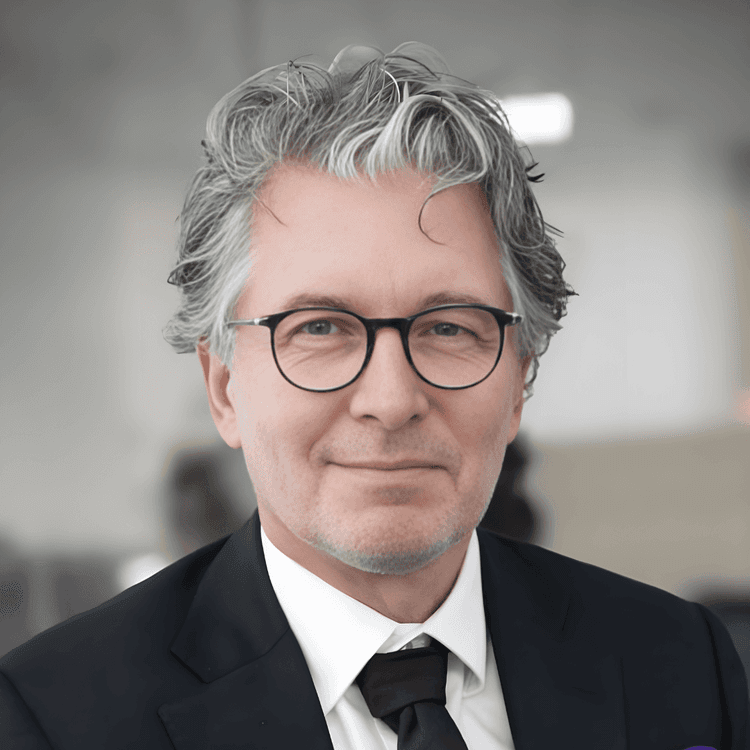
Janus  Rostock

#3Janus Rostock

Managing Director - Buildings + Places, Middle East & Africa
Category:Visionary Designers
Company:AECOM
Residence:UAE

Janus Rostock is the Managing Director of AECOM’s Buildings+Places business line in the Middle East & Africa. In this role, he leads a 1,500-strong buildings design and supervision business across the region, spanning architecture, urban planning, landscape, engineering, cost consultancy and supervision disciplines.

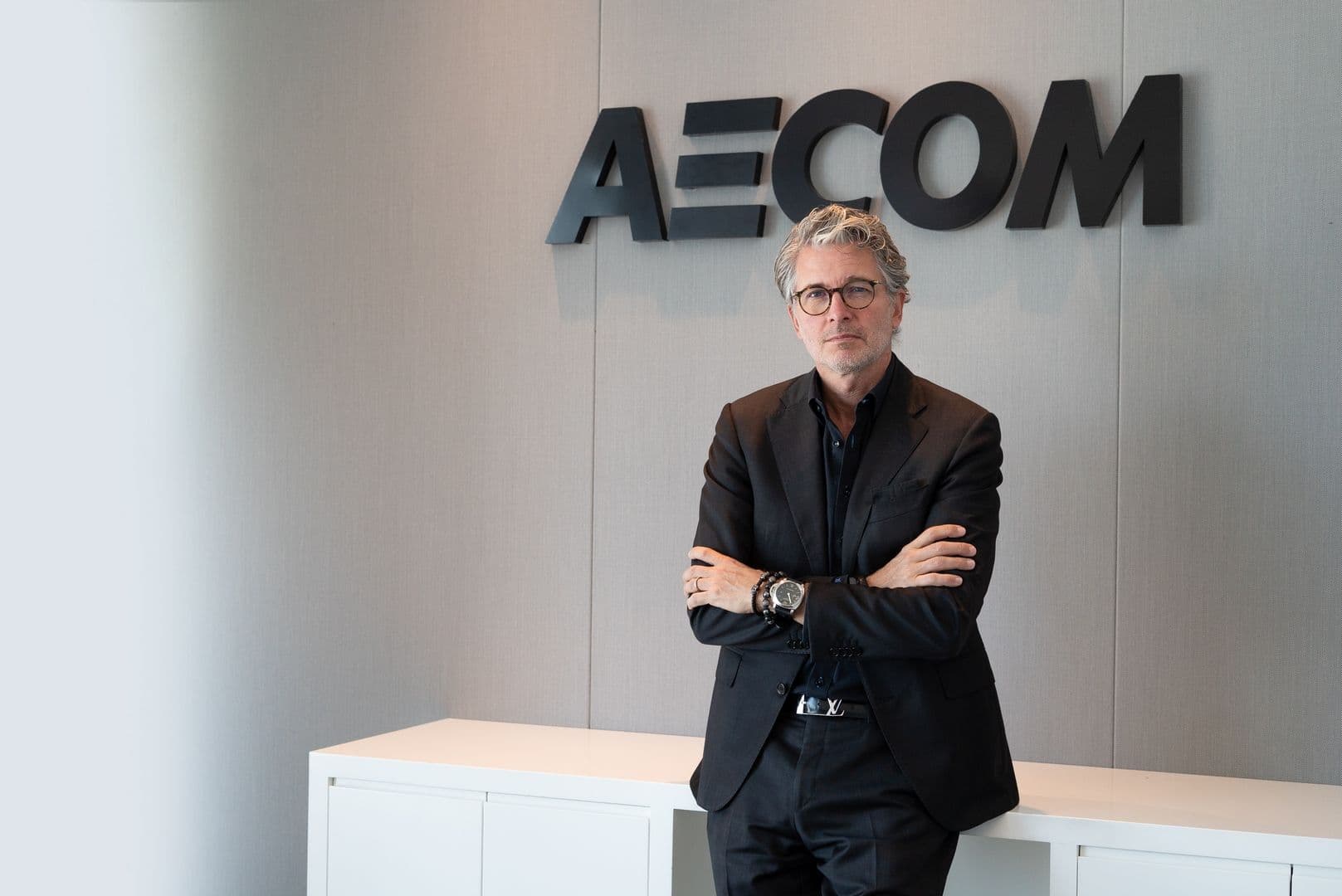
Janus Rostock – Global Design Principal of AECOMJanus Rostock – Global Design Principal of AECOM

With over two decades of international experience, Janus is a distinguished leader in architecture, urbanism and integrated design. He joined AECOM in 2018, where he led masterplanning, concept architecture and landscape functions across the Middle East. Following this, he returned to Denmark as CEO of a Copenhagen-based consultancy, before rejoining the AECOM in a senior leadership role. As Vice President of Urbanism + Planning and Architecture, he oversaw multidisciplinary teams working across a range of projects and geographies.

Early in his career, he worked with international design practices in Denmark and the Middle East before taking on leadership roles across the region. He first moved to the Middle East in the mid-2000s, working on projects supporting the transformation of Dubai, before continuing his career across Europe. Janus also has had exposure to projects in Africa and Asia, further showcasing his international depth.

Janus holds a Master of Architecture from the Royal Danish Academy of Fine Arts School of Architecture in Copenhagen and was an ERASMUS student at l’École d’Architecture Belleville in Paris. His professional affiliations include membership in the Royal Institute of British Architects (RIBA), the Association of Academic Architects in Denmark and the National Association of Danish Architects. He is also a founding member of the Danish Green Building Council, reflecting his early engagement with sustainability in the built environment.

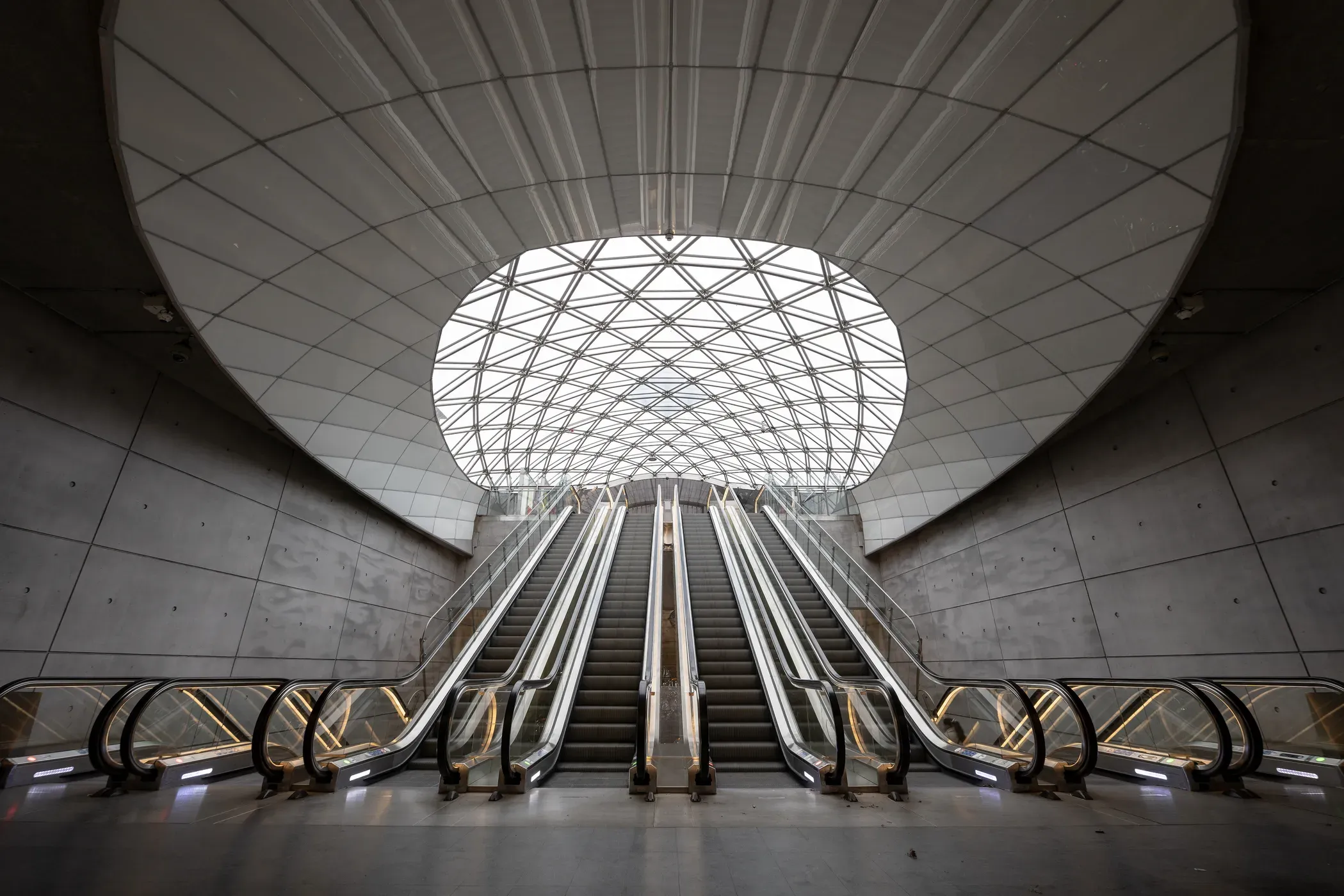
Janus led the design of the award-winning Triangeln Station in Sweden with KHR Architects, a project recognised for seamlessly integrating architecture, urban design and public experience. By bringing transport infrastructure and public space together into a single, coherent environment, the project demonstrated an early commitment to seeing architecture as part of a wider urban system. This approach, rooted in movement, connectivity and public life, continues to underpin his work today.

Collaboration and co-creation have been central to Janus’s career. He values diverse perspectives and interdisciplinary teamwork, and this ethos shapes the way he leads teams and develops projects. By bringing different disciplines together from the outset, design, planning and delivery considerations are resolved in parallel. This integrated approach supports more coordinated outcomes and ensures that long-term performance and user experience are considered alongside design intent.

What drives me is the belief that buildings can do far more than we currently allow them to. They can be catalysts for community, engines of sustainability and platforms for human wellbeing if we stop treating them as isolated objects and start designing them as interconnected systems.

His work at Dubai Creek Harbour reflects a strong focus on large-scale urbanism, combining heritage, innovation and climate-responsive design. The development incorporates smart mobility, green networks and resilient public spaces, forming part of a wider urban framework. On the NEOM masterplan, Janus led the vision for a future city that integrates infrastructure with nature-based solutions and inclusive planning, aligning environmental responsibility with urban growth.

Triangeln Station architectTriangeln Station architect

Across the region, his portfolio spans cultural destinations, waterfront developments and complex mixed-use projects. At Dubai Opera, he delivered a cultural landmark that pairs performance spaces with accessible public realms, contributing to the city’s civic life. In Dubai Harbour, he guided a waterfront development that brings together urban living, leisure and hospitality within a cohesive environment.

Janus is currently involved in several of the region’s most significant development programmes. These include The Mukaab, supporting national infrastructure and urban transformation, and Soudah Development, which focuses on high-altitude destination planning and tourism in Saudi Arabia. In Abu Dhabi, the ROW development explores contemporary mixed-use living by integrating residential, commercial and public spaces.

He and his teams are also contributing to Diriyah, a heritage-led project that combines cultural identity with contemporary urban development. Across all programs, Janus works closely with multidisciplinary teams to align design, planning and delivery, supporting projects that are both contextually grounded and resilient over the long term.

Working across multidisciplinary teams, Janus engages closely with architects, planners, engineers, cost consultants and supervision teams. This collaborative model supports projects where design ambition and delivery realities are addressed together, ensuring alignment as projects progress from concept through to completion. Trust is built through openness, shared responsibility and a clear understanding of each discipline’s role in shaping the outcome.

His design leadership is guided by clear principles including conceptual clarity, contextual relevance and uncompromising quality. Creativity is treated as a disciplined process rather than an abstract exercise, focused on delivering meaningful, people centred environments. Functionality, buildability and long-term performance are embedded from the outset, allowing ideas to be tested and strengthened through practical application rather than diluted later in delivery.

I’ve seen how siloed processes limit what teams can achieve, and I’m convinced our greatest opportunity lies in reimagining how we work together. When we unite disciplines early, embed sustainability as a shared responsibility and use digital tools to illuminate rather than complicate, we unlock a level of creativity and performance that transforms outcomes.

Integration across disciplines sits at the core of his approach. By aligning architecture, urbanism and landscape design, Janus advocates for environments that are human centred, resilient and inclusive. His work responds carefully to climate, culture and context, balancing innovation with responsibility and ambition with real world impact. Technology and design thinking are used as tools to enhance outcomes, not as ends in themselves.

Across complex programmes and large-scale developments, his leadership ensures that diverse teams move forward with a shared vision. This consistency supports projects that meet present needs while remaining adaptable to future change, reinforcing design as a collective effort grounded in clarity, trust and long-term value.