ABU DHABI, UAE: The UAE real estate market continued to demonstrate resilience in the second quarter of 2026, although residential prices and rents softened across several markets as the sector moved towards a more balanced phase following an extended period of strong growth, according to Colliers.
Colliers' UAE Real Estate Market Report for Q2 2026 highlights differing trends across Abu Dhabi, Dubai, the Northern Emirates and Al Ain, with performance increasingly shaped by sector, location, product quality and pricing.
While residential markets showed signs of normalisation during the quarter, annual growth remained positive in several areas. Office markets, particularly Grade A space in Abu Dhabi and Dubai, continued to benefit from strong occupier demand.
Abu Dhabi Residential Market Begins to Normalise
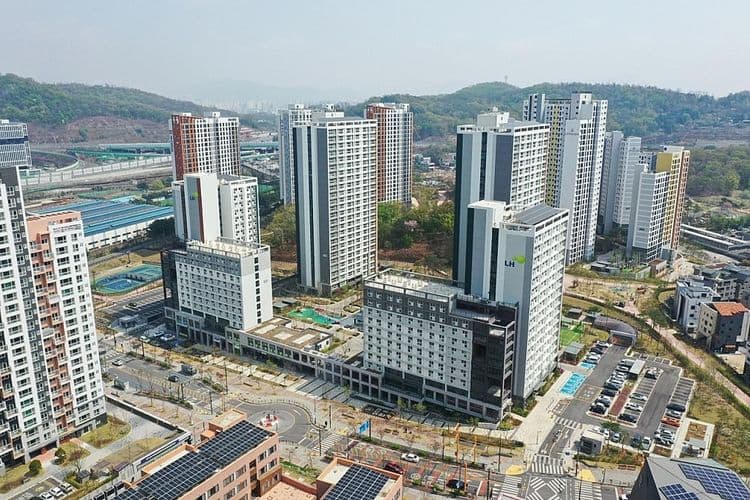
Approximately 2,200 residential units were delivered in Abu Dhabi during Q2 2026 across established and emerging communities. New handovers were primarily concentrated in Al Shamkhah, including Reeman Living, as well as Yas Island, Bloom Living in Zayed City and Al Raha Beach.
A further 3,200 units are scheduled for delivery during the remainder of 2026.
Following strong rental growth throughout 2025 and early 2026, Abu Dhabi's residential leasing market entered a softer phase during the second quarter. Average apartment rents declined 2% quarter-on-quarter, while villa rents decreased 3%.
Despite the quarterly declines, apartment rents remained 7% higher than Q2 2025, while villa rents were up 5% year-on-year.
Larger unit types and developments that had experienced some of the strongest recent rental growth recorded the greatest adjustments.
A notable development during the quarter was the rental freeze introduced by the Abu Dhabi Real Estate Centre (ADREC) on residential and commercial lease renewals and new contracts. Lease renewals accounted for the majority of leasing activity during Q2, reflecting lower tenant mobility.
Abu Dhabi Sales Remain Higher Year-on-Year
The capital's residential sales market also moderated following a period of rapid expansion.
Average apartment sale prices declined 3% quarter-on-quarter, while villa prices softened by 1%. However, annual growth remained robust, with apartment prices 19% higher year-on-year and villa prices increasing by 10%.
Residential transaction volumes reached approximately 7,200 transactions, representing an 8% decline quarter-on-quarter but an 83% increase year-on-year.
Off-plan properties continued to dominate activity, accounting for approximately 84% of total transactions.
Abu Dhabi's office market remained supported by strong occupier demand, particularly from companies seeking a presence within the Abu Dhabi Global Market (ADGM) on Al Maryah Island.
According to Colliers, ADGM is operating at full occupancy and maintains an active waiting list, highlighting continued demand for Grade A office space.
Masdar City Square, The Link and the offices at Souq Al Jubail Island comprise the main near-term office supply pipeline and are expected to be delivered during Q3 2026.
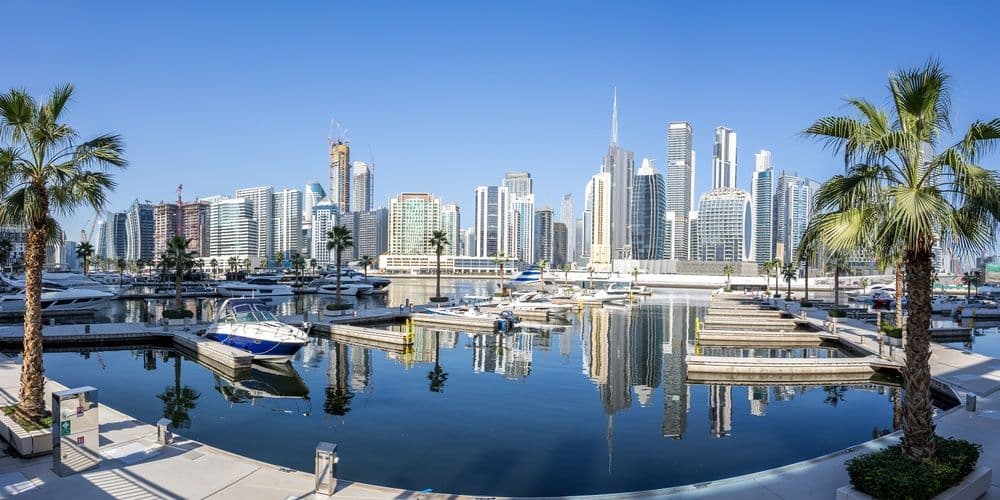
Dubai Adds 11,650 Residential Units
Dubai's residential development pipeline remained active during Q2, with approximately 11,650 units delivered, comprising 9,200 apartments and 2,450 villas.
Looking ahead, approximately 56,600 additional residential units are scheduled for completion by the end of 2026.
The supply pipeline is progressing alongside significant infrastructure investment across the emirate, including metro expansions, road network upgrades, new interchanges, tunnel projects and stations on the Etihad Rail network.
Dubai's rental market, however, showed further signs of moderation after several years of exceptional growth.
Apartment rents declined 4% during Q2, while villa rents fell 2%. Affordability constraints are increasingly influencing leasing decisions, while a continued shift from renting towards homeownership is moderating tenant demand as rental inventory increases.
Leasing transactions were down by a quarter during Q2 2026.
In response to affordability concerns, the Dubai Land Department launched the Flexi Rent initiative, allowing participating landlords to offer monthly, quarterly and semi-annual payment plans.
Dubai Residential Prices Soften 3%
Dubai's residential sales market also became more nuanced during the quarter.
Average residential prices softened by 3% for both apartments and villas, although Colliers noted that values generally remained more resilient than many anticipated as the market moves towards a period of normalisation.
The off-plan segment recorded mixed performance, although demand remained present and increasingly targeted.
Dubai's office market continued to stand out, with strong demand for off-plan Grade A developments supporting price growth across multiple submarkets.
Northern Emirates See Rental and Price Adjustments
In the Northern Emirates, prominent project handovers during Q2 were limited to Il Teatro Residences in Aljada, Sharjah, and the final units of Danah Bay in Ras Al Khaimah.
New launch activity accelerated in Sharjah, however, with approximately 4,600 residential units announced during Q2 2026.
The residential completion pipeline across the Northern Emirates has moderated to approximately 7,450 units in 2026. Sharjah accounts for the largest share with 5,450 units, followed by Ras Al Khaimah with 1,400 units and Ajman with 600 units.
Infrastructure investment continued to support the longer-term outlook, including the commencement of Etihad Rail passenger services between Fujairah and Abu Dhabi.
Following an extended period of growth, apartment rents declined by an average of approximately 2% across the Northern Emirates during Q2. Sharjah recorded the largest adjustment at around minus 4%.
Ajman, Fujairah and Umm Al Quwain remained comparatively resilient, supported by affordability-driven demand.
In the sales market, average apartment prices in Sharjah declined 3% quarter-on-quarter, while Ras Al Khaimah recorded a 2% decline.
Al Ain Market Remains Stable
Al Ain's real estate market remained broadly stable during Q2 2026, with rental rates across residential, office and retail sectors largely unchanged from the previous quarter while continuing to record positive annual growth.
Residential remained the strongest-performing sector, with average apartment rents increasing 7% year-on-year and villa rents rising 4%.
Within the commercial sector, annual office rental growth reached 3%, while retail rents were 5% higher than Q2 2025 levels.
The Q2 figures point to an increasingly differentiated UAE property market, with residential performance moderating following several years of strong growth while Grade A office demand and longer-term infrastructure investment continue to support activity across key markets.