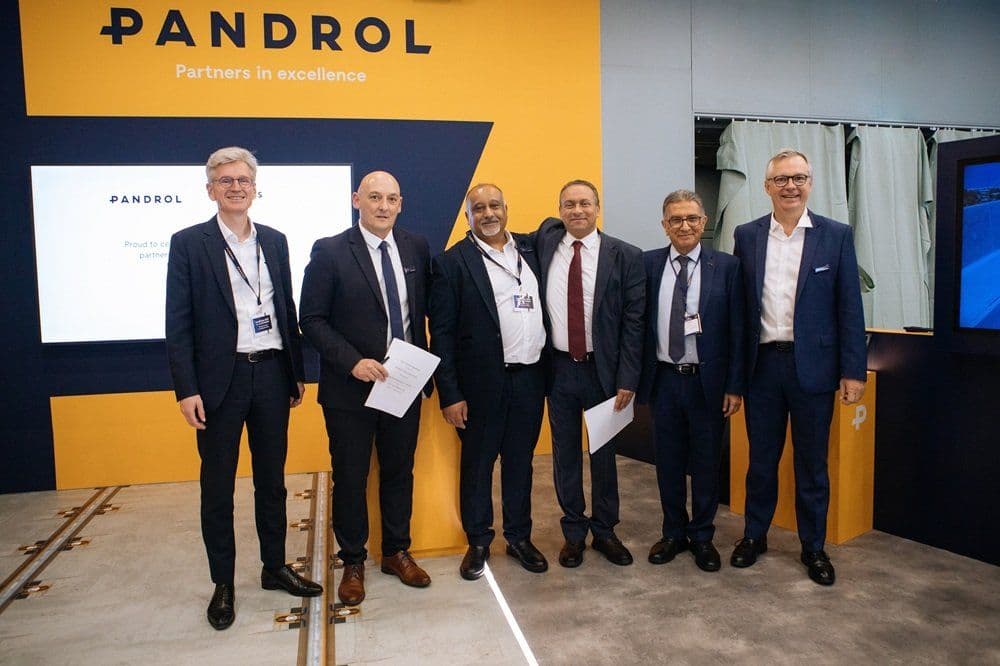
Riyadh, Saudi Arabia - Pandrol, which describes itself as a global leader in rail infrastructure solutions, will set up an industrial platform in the Saudi capital with Riyadh-based Links Investments to produce rail fastening system components inside the Kingdom.
Manufacturing is scheduled to start in the first half of 2027. According to Pandrol, making the components locally will back Saudi Arabia’s rail infrastructure development programme, which the company called ambitious.
The company expects the Riyadh site to supply Saudi rail projects over the long term. It said the facility could also become a base for rail development in other countries of the Gulf Cooperation Council (GCC).
Guy Talbourdet, CEO of Pandrol, said: “Saudi Arabia is undertaking one of the most significant rail development programmes anywhere in the world and we are proud to be playing our part in it. Establishing manufacturing in Riyadh brings Pandrol’s rail fastenings closer to this major growth area for rail.
“Links Investments shares our commitment to quality and brings a deep understanding of the Saudi rail sector. Together, we will build a local supply chain that creates skills and value within the Kingdom, supports the ambitions of Vision 2030 and, in time, can serve rail infrastructure across the wider GCC.”
Under its national Vision 2030 transformation programme, Saudi Arabia has laid out bold plans for its transport infrastructure, Pandrol said. At their centre is a rail network of more than 8,000km linking the country’s eastern, western and northern borders.
The Kingdom signed a memorandum of understanding with the UAE on cross-border rail connectivity earlier this month.
Pandrol said a network on that scale needs a supply chain that is both resilient and responsive. Producing the fastening components in the country is intended to cut lead times and improve security of supply for Saudi rail projects, while giving contractors and network operators direct access to technical support on the ground.
The two partners plan a strong focus on local content across the supply chain, so that the investment contributes as much as possible to Vision 2030’s targets for industrial growth, skills and economic diversification.