Sign up to receive the latest tech news and updates from Property News International straight to your inbox.
By signing up, you will receive emails about property news products and you agree to our terms of use and privacy policy.
@2026 Property News International. All Rights Reserved.
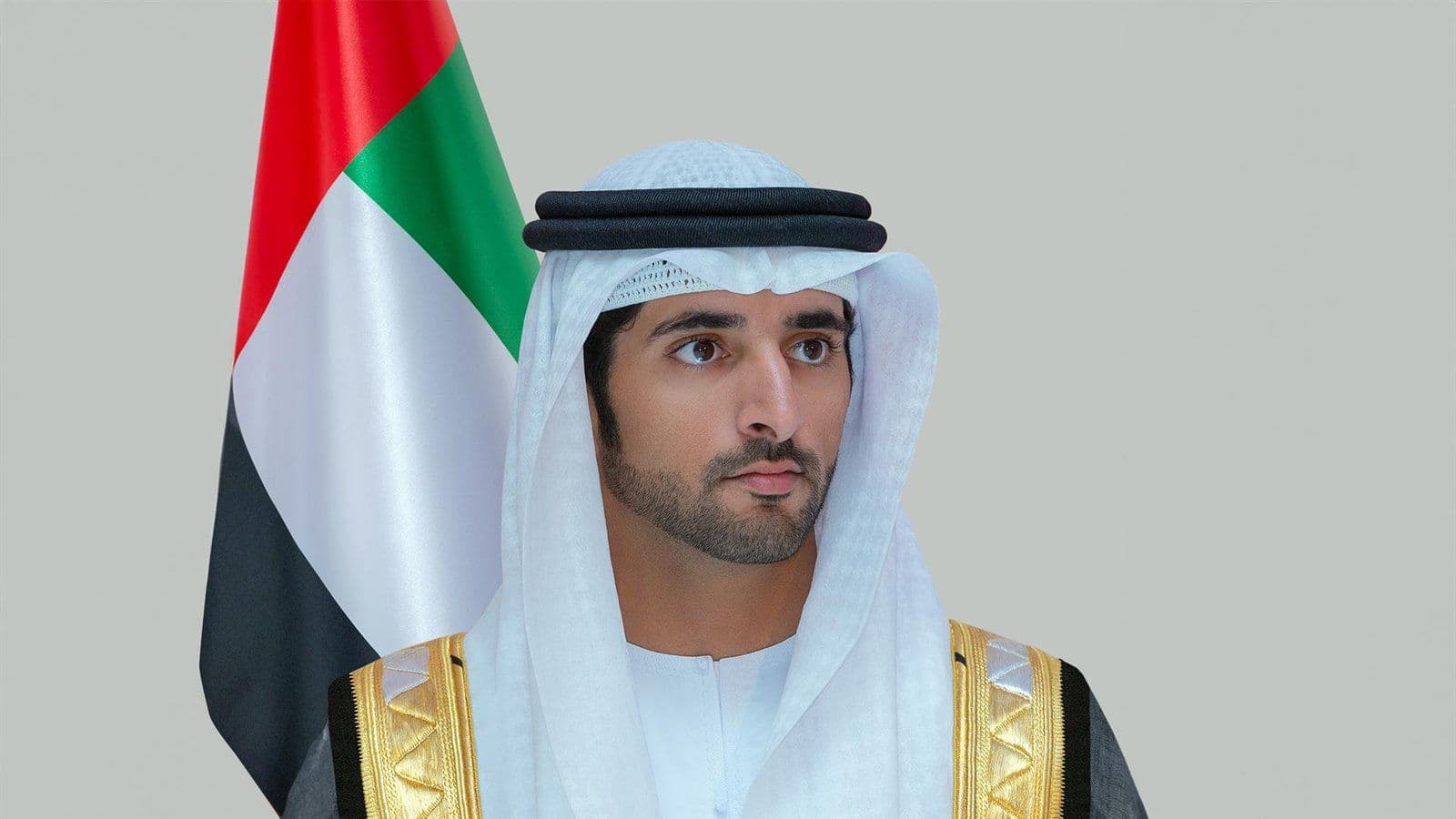
His Highness Sheikh Hamdan bin Mohammed bin Rashid Al Maktoum, Crown Prince of Dubai, Deputy Prime Minister and Minister of Defence of the UAE, approved Dubai's Urban Centres Development Plan, targeting improvements to infrastructure and property values. (Image source: Dubai Media Office)Dubai, UAE - The Executive Council of Dubai has approved the Urban Centres Development Plan, which has a budget of more than $545 million (AED 2 billion) and is expected to raise property values in the centres it covers by $5.45 billion (AED 20 billion) by 2040.
The council took the decision on 27 October at Emirates Towers, in a session chaired by Sheikh Hamdan bin Mohammed bin Rashid Al Maktoum. He is Crown Prince of Dubai and the council’s Chairman, as well as the UAE’s Deputy Prime Minister and Minister of Defence.
Sheikh Maktoum bin Mohammed bin Rashid Al Maktoum, First Deputy Ruler of Dubai and the UAE’s Deputy Prime Minister and Minister of Finance, was at the meeting, as was Sheikh Ahmed bin Mohammed bin Rashid Al Maktoum, the Second Deputy Ruler.
In line with the vision of Sheikh Mohammed bin Rashid Al Maktoum, Ruler of Dubai and the UAE’s Vice President and Prime Minister, the emirate is pressing ahead with plans that weigh economic growth against a rising population, Sheikh Hamdan said. Those plans, he said, are meant to get infrastructure ready, make services more efficient and turn development into wellbeing for citizens and residents.
Oversight of the urban centres plan sits with the Supreme Committee for Urban Planning and Dubai Municipality, working with other relevant entities. Six main urban centres fall within its scope, backed by 42 sub-centres around the emirate; between them they account for 12% of Dubai’s urban area.
The programme rests on three pillars, namely quality of life, economic returns, and infrastructure efficiency and cost. To meet them, it will cluster people and jobs around mass transit stations, mix land uses more widely and put homes nearer to places of work.
Under the plan, the share of residents living around metro stations is due to climb from 52% to 74%, while public services coverage goes from 74% to 85%. The council said this would widen access to services and public transport and tie the urban centres more closely to one another.
Sheikh Hamdan, Crown Prince of Dubai, said: “Under the vision of Mohammed bin Rashid, Dubai has become an exceptional, inspiring, people-centric model. To sustain this model, we are investing in urban centres to develop integrated communities that meet people’s aspirations and support sustainable growth.
“The Urban Centres Development Plan, with a budget exceeding AED2 billion by 2040, will contribute to an increase in the real estate value of the targeted centres by AED20 billion, making them more vibrant places to live, work and invest.”
He added: “This plan is an investment in Dubai’s future and the sustainability of its growth, strengthening its leadership across different domains and its position as a city that places people’s wellbeing at the heart of development.”
The approval comes after Sheikh Hamdan cleared a $4.9 billion (AED 18 billion) package of strategies and projects in July, which spanned infrastructure, urban planning and population monitoring among other areas.
At the same session, the council adopted the Sustainable Population Planning Policy, a framework that responds to demographic change and connects it with economic and urban development. It sets the needs of growth against efficient, sustainable infrastructure while protecting quality of life, in line with global best practices.
Data and population growth forecasts will be used under the policy to work out what services and facilities Dubai needs in future and to steer infrastructure plans across the emirate. It also seeks to get the most out of existing infrastructure and services, raising their efficiency and keeping them sustainable.
The policy also backs job creation in high-productivity sectors, matching the goals set out in D33, the Dubai Economic Agenda. According to the council, the policy will help bring in talent and skills, lift average income for individuals and families, increase their purchasing power and strengthen Dubai’s economic competitiveness.
Sheikh Hamdan said: “Dubai is a preferred city to live, work and invest, welcoming investors, entrepreneurs and talent, and home to a community of more than 200 nationalities. Today, we approved the Sustainable Population Planning Policy, which links population growth forecasts with our economic and urban plans and guides the development of services and infrastructure in line with residents’ needs. Our goal is for Dubai’s economic growth to keep pace with the aspirations of its citizens and residents, expand opportunities for individuals and families, and reinforce the emirate’s leadership in attracting and investing in talent and skills.”
The third approval was the Digital Authorisation System for individuals and companies, intended to advance government digital services. It runs on a platform that Digital Dubai developed and operates, and lets customers authorise others to carry out transactions for them, limited to low-risk services that need no notary public or legal attestation procedures.
On the system, Sheikh Hamdan said: “Ranking second globally in the 2026 Smart City Index, Dubai is among the world’s leading cities for digital services, and our ambition is to set a global benchmark for digital government services in ease of access, efficiency and integration. Today, we approved the Digital Authorisation System for individuals and companies to deliver a unified and trusted government experience that serves society and business, and reinforces Dubai’s position at the forefront of digital government.”
The council has set three targets for it: a fully digital (100%) experience on one platform, 100% effectiveness against fraud, disputes and operational risks, and a Customer Effort Index score of 90%. The council said this would make proactive services possible while cutting the effort and steps customers face.
Authorisations are created, managed and activated through what the council described as a secure, trusted, real-time and paperless mechanism. Users are verified through the UAE PASS digital identity, and the system connects with digital applications and services to give one experience across all service channels.

Production of rail fastening components is due to begin in the first half of 2027.

More than 70 developers are exhibiting alongside the fourth Qatar Real Estate Forum at DECC.

Three tunnels and a 166,000 sq m interchange will tie both islands to the E12 in 2027.

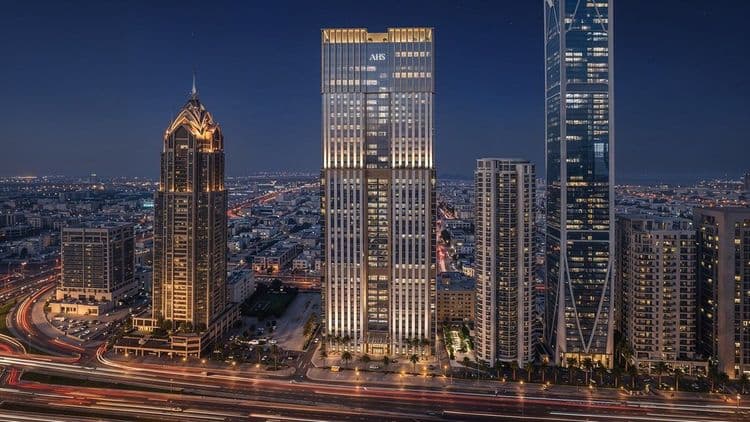
AHS is transforming Shangri-La Dubai into a G+50 Grade A office building designed by Gensler.