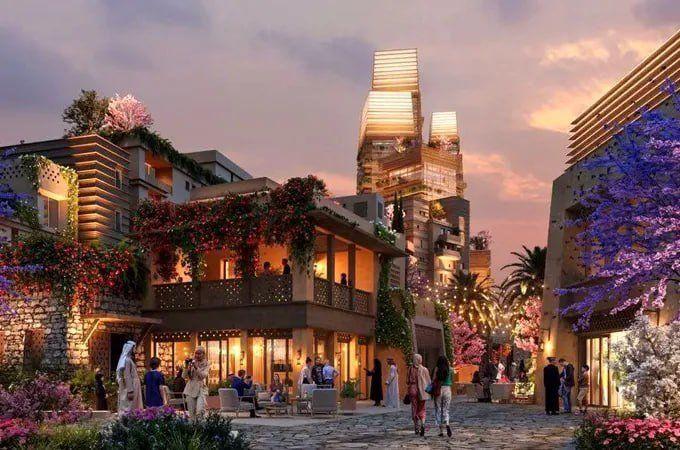
Manama, Bahrain - Work on the first phase of the Muharraq City Development Project, which covers 300 residences, is close to completion, Bahraini authorities said, with the government aiming to take the total to 2,000 housing units in partnership with the private sector.
According to the Bahrain News Agency (BNA), the government is following royal directives that call for Muharraq to be developed while its heritage, culture and urban character are kept, and for its position among Bahrain's leading historic cities to be reinforced.
Amna bint Ahmed Al Rumaihi, Minister of Housing and Urban Planning, said each of the project's implementation components was moving forward, clearing the way to finish the remaining development phases in line with His Majesty's vision and the plans already approved.
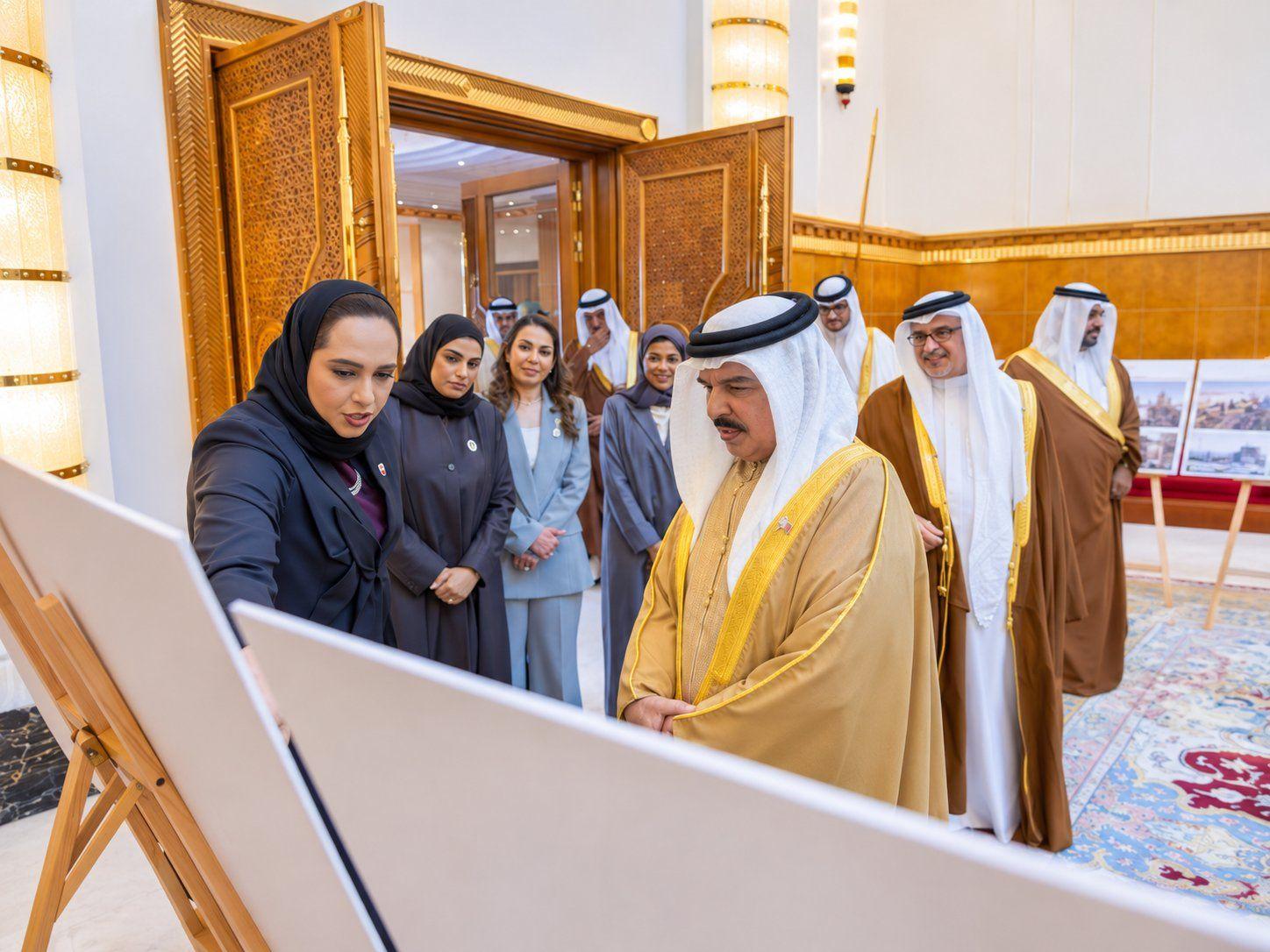
His Majesty King Hamad bin Isa Al Khalifa later received the minister for an update on the scheme's housing, urban and heritage results. His Royal Highness Prince Salman bin Hamad Al Khalifa, the Crown Prince and Prime Minister, attended the meeting.
Al Rumaihi's presentation covered the results so far over a footprint of roughly 2 sq km, taking in Muharraq's old quarter and the districts around it.
The King praised the work of the ministries and agencies involved and the way they had cooperated on what was described as a national project. He asked that every body concerned keep working closely together until the scheme is finished, meets its goals and safeguards Muharraq's historical and civilisational standing.
King Hamad spoke of Muharraq's historical and national value, saying the city bore witness to key stages of Bahrain's history. Its civilisational, cultural and urban legacy mirrors the authentic character of Bahraini society and its Arab and Islamic identity, he said, adding that this legacy must be protected and kept alive for the generations to come.
Besides housing, the scheme brings car parks, open squares, shops and other services. Officials expect these to bring life back to the neighbourhoods, socially, economically and as places to live.
The King also asked that the work reflect what residents need and hope for. He said the outcome should lift quality of life, bring better services and amenities, and restore the old furjan (neighbourhoods) without disturbing their social fabric or original character, while giving them a stronger part in Bahrain's urban growth.
Among the goals the minister listed were restoring old neighbourhoods and heritage buildings and sites, upgrading the principal roads and utilities, and adding parks and public amenities. Sixteen buildings of heritage value along the Pearling Path are to be restored and adapted for cultural and tourism activities, News of Bahrain reported.
Work also extends to the surroundings of His Highness Shaikh Isa Al Kabeer Palace. Officials placed this within a single planning vision for the city that respects its history and social make-up while meeting the needs of a modern urban centre.
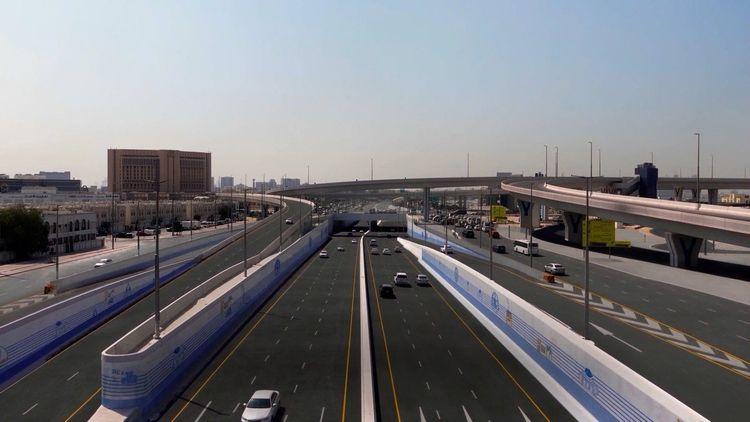
Five of Muharraq's principal streets are earmarked for upgrades, the presentation showed. Each will get new utilities and refreshed building fronts, a single signage standard, and better lighting, planting and street furniture.
In July, Minister of Works Ibrahim bin Hassan Al Hawaj inspected street and parking works in Muharraq, among them upgrades to Shaikh Abdulla Avenue and Shaikh Isa Avenue near Isa Al Kabeer Palace and two multi-storey car parks with more than 300 spaces between them.
The plans also take in 48km of infrastructure works, extra parking, 72 green squares totalling about 12,000 sq m and 100,000 new trees. Officials said the result will be a better urban environment, with public spaces suited to both residents and visitors.