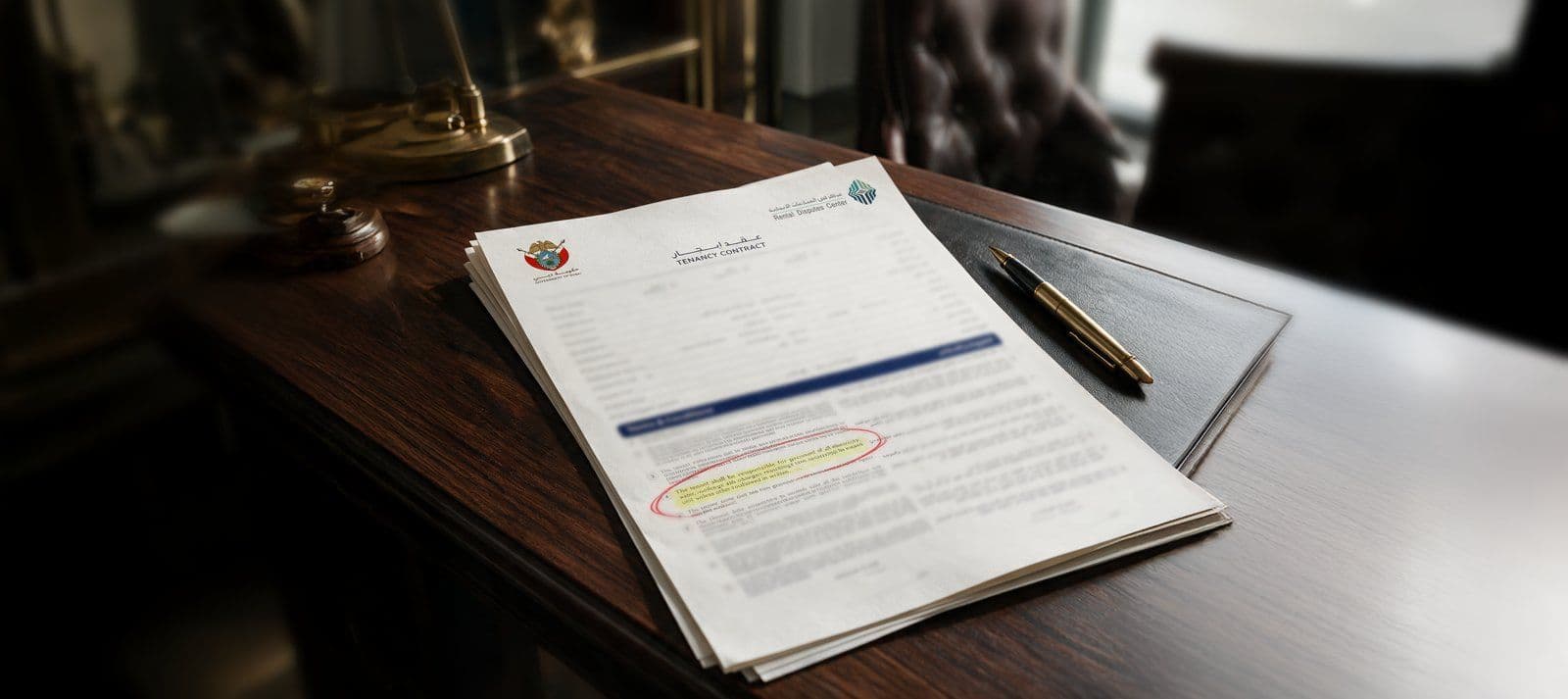
Dubai, UAE - Amid a recent increase in disputes arising from rental relationships, the Rental Disputes Center (RDC) in Dubai continues its efforts to raise legal awareness among landlords, tenants and real estate brokers. The RDC is emphasizing the importance of treating tenancy agreements as legally binding documents, rather than as mere formalities to be completed hastily before taking possession of a property or commencing a commercial activity.
Signing the contract is not the end of the story... it marks the start of clearly defined obligations
The guidance comes as the RDC has recently observed several disputes resulting from overlooked contractual provisions, undocumented agreements, or reliance on verbal understandings that were never incorporated into a formal legal framework. In some cases, these circumstances subsequently led to financial and legal disagreements, including claims for eviction or compensation.
In one case illustrating the type of issues that can arise when sufficient attention is not given to contractual details, a tenant became involved in a legal dispute with his landlord several months after starting his commercial activity. The dispute stemmed from contractual provisions concerning payment arrangements and financial guarantees that he had not fully considered when signing the agreement.
As the disagreement escalated, it became clear that the tenancy contract contained specific and clearly defined obligations formally agreed upon by both parties. However, the side arrangements cited by the tenant had not been documented in any legally recognized form, leaving them without sufficient evidentiary weight before the competent authority.
In practice, many rental disputes do not originate from bad faith, but rather from rushing to sign agreements without carefully reviewing their clauses, or from reading the contract only in broad terms without fully understanding its legal implications. This is particularly important when it comes to payment deadlines, eviction procedures, contractual penalties, and requirements governing renewal or termination.
Registering tenancy contracts through Ejari helps protect the rental relationship
In this regard, the RDC stresses the importance of registering all tenancy contracts through the Ejari system as a key mechanism for safeguarding and regulating rental relationships within an officially recognized legal framework. Failure to register an agreement may create procedural obstacles when asserting certain rights or obligations before official authorities.
The Center also urges all parties to retain relevant correspondence and notices and to formally document any amendments or subsequent arrangements, rather than relying solely on verbal assurances or informal messages that may carry limited legal value in the event of a dispute.
From this perspective, the Dubai Rental Disputes Center highlights that a stable rental relationship is not achieved just through timely payment or handover. It begins from the very first stage of reviewing the agreement and understanding its terms in detail. Such an approach safeguards the rights of all parties and strengthens trust within Dubai’s evolving rental and regulatory environment.