Dubai, UAE - Dubai Municipality has revised the planning regulations for Al Satwa, allowing plots of 1,000 square metres or more to carry residential apartment buildings of a ground floor and eight floors, with a floor area ratio (FAR) of up to 3.5.
The update widens the mix of residential and commercial uses permitted in the neighbourhood, with the options open to each plot set by its location and characteristics, according to an announcement from the Dubai Media Office.
The municipality said the changes are meant to make land use more efficient, make the area more attractive to investors and help it grow in keeping with the city’s goals for sustainable urban planning.
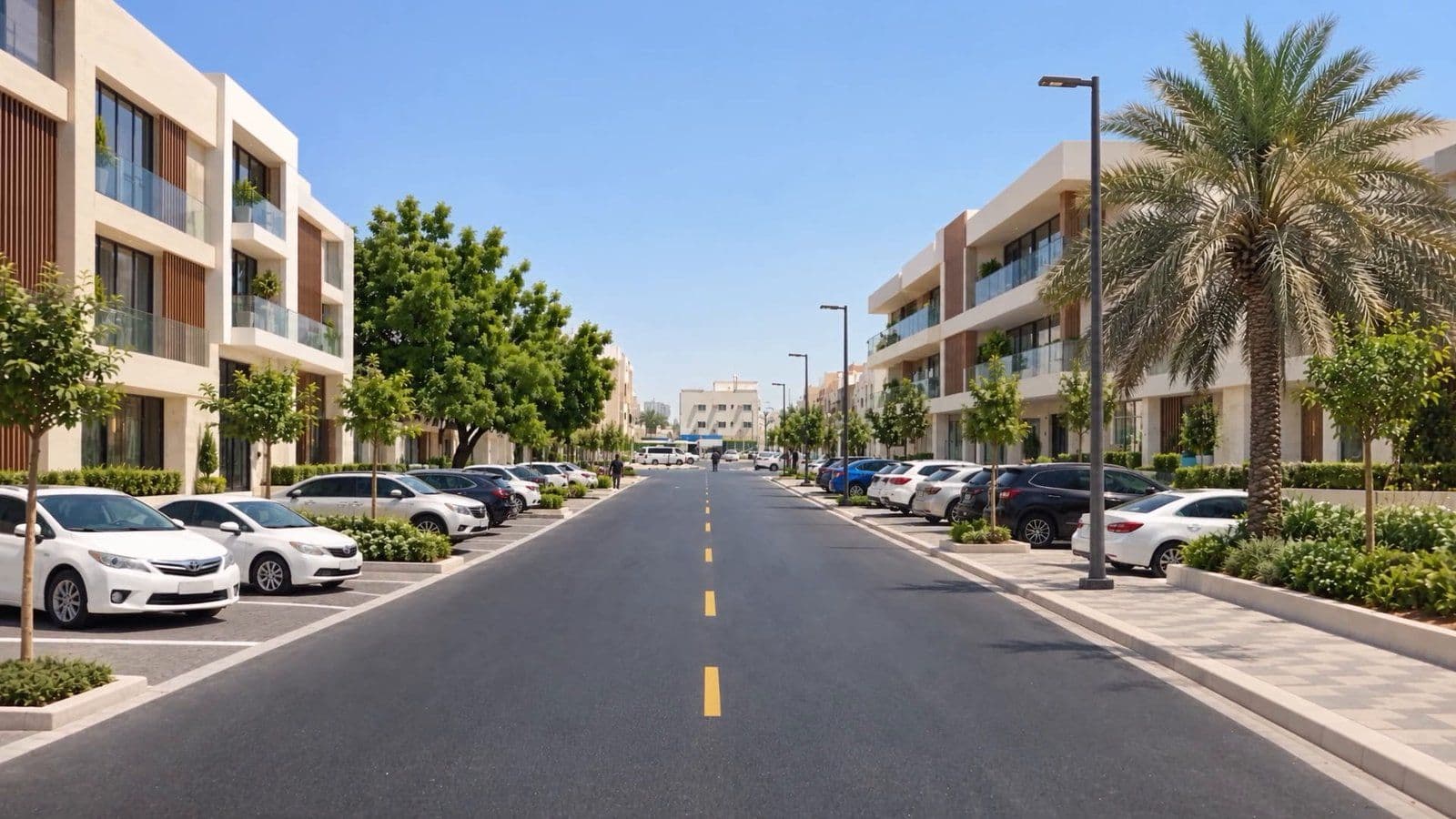
On Al Satwa’s internal roads, plots may now be built with a ground floor and two floors of residential apartments. Until now, the framework for these plots primarily permitted attached villas.
Owners of plots on external roads have been given more flexibility and higher-density choices. These include a commercial ground floor with two or three floors of residential apartments above it, with the choice depending on where the plot sits and which planning requirements apply to it.
According to the municipality, the new options will let land be used more efficiently while supporting residential and commercial development across the area.
The largest allowance comes with a set of additional planning incentives for sites of at least 1,000 square metres. A plot can qualify on its own or once two or more plots are consolidated, and owners may fold the access lanes between them into the site, provided they follow the procedures and requirements that have been approved.
Qualifying sites gain additional development potential of a ground floor and eight floors of residential apartments, at a FAR of up to 3.5. FAR is the ratio of a building’s total floor area to the area of the plot it stands on.
The municipality said the incentive is designed to encourage owners to merge smaller plots into larger sites that suit integrated development, to make better use of land, and to increase their potential for development and investment.
It described Al Satwa’s position in the city as strategic and said the new framework is more flexible, responding both to the neighbourhood’s current character and to what it will need as it grows. The rules also open the way for existing plots to be redeveloped, adding to the ongoing improvement of the area’s urban environment, the authority said.
Eng. Mansour Al Rais, Director of the Executive Planning Department at Dubai Municipality, said: “The updated planning regulations for Al Satwa form part of Dubai Municipality’s efforts to support the development of existing urban areas through a flexible and sustainable planning approach that responds to current and future needs. By expanding development options and introducing incentives for plot consolidation, we aim to provide landowners and investors with greater flexibility to redevelop their properties and make more efficient use of available land. This approach will support the area’s continued development while taking into account its existing urban character and the requirements of future growth.”
While reviewing the regulations, the municipality worked with the relevant service authorities to assess what Al Satwa will need in infrastructure and traffic. It said this coordination supports the area’s future development and keeps planning requirements in step with the delivery of infrastructure and essential services.
Dubai Municipality said the Al Satwa update is part of its broader work to make the city’s urban environment more flexible and sustainable through integrated planning and better use of land. That work, it said, helps improve quality of life, backs economic activity and makes Dubai more attractive to developers and investors.
Landowners and other customers can benefit from the updated regulations and apply for the service through the Build in Dubai platform, Dubai Municipality said.