Riyadh, Saudi Arabia - Chinese manufacturer Dalipal Holdings is advancing plans for a major energy equipment manufacturing base at King Salman Energy Park (SPARK), with total investment expected to reach approximately $2.1 billion (SAR7.88 billion).
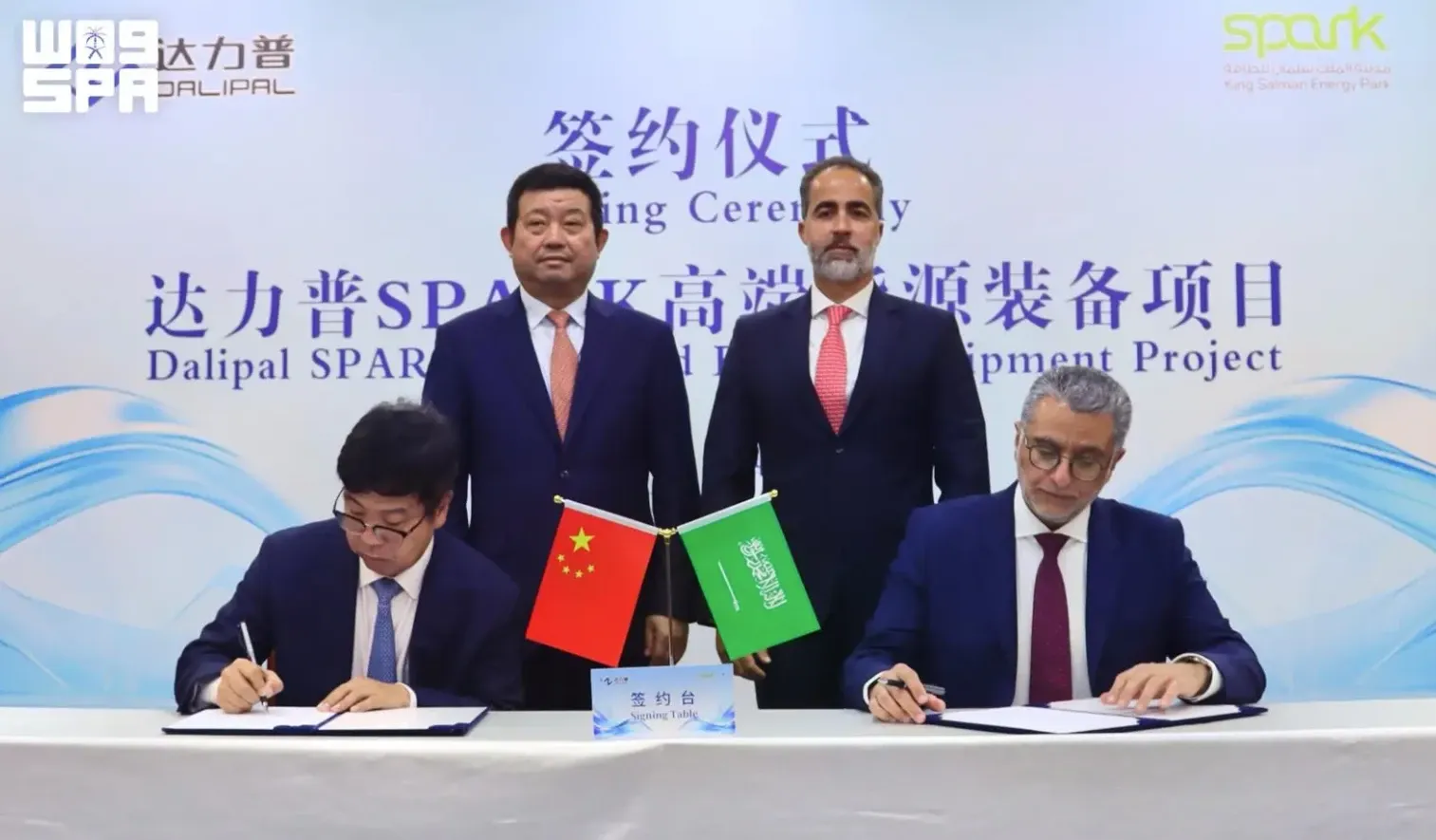
The company has signed a 25-year land lease agreement covering a 1,030,916 sq m site within SPARK. The first phase alone is expected to involve around $600 million (SAR2.25 billion) in investment.
Dalipal International for Industry Company, a wholly owned subsidiary of Dalipal Holdings, will be responsible for developing the site.
The planned manufacturing base will focus on seamless steel pipe products for the energy sector, including oil and gas well casing and production tubing, drill pipes and pipes intended for hydrogen transportation.
Once developed, the facility is expected to serve customers in Saudi Arabia, the wider Middle East and international markets.
The latest agreement moves the project beyond its earlier planning stage. SPARK and Dalipal first formalised their plans through a letter of intent signed during ADIPEC in November 2024, when the proposed facility was already expected to occupy more than one million square metres.
The development forms part of wider efforts to expand advanced manufacturing capacity within Saudi Arabia and localise strategic parts of the energy-sector supply chain.
SPARK President and CEO Mishal Al-Zughaibi said: "the lease represents an important step in Dalipal’s investment programme at the industrial park, with the scale of the first phase and the wider investment plan reflecting the company’s long-term commitment to the Kingdom."
Dalipal Holdings Chairman Meng Fanyong said Saudi Arabia is an important market within the company’s international expansion strategy. Establishing the manufacturing base at SPARK is expected to bring production closer to regional customers and strengthen supply-chain efficiency.
The project will also benefit from SPARK’s existing industrial infrastructure, utility network and logistics facilities, as well as its proximity to major Saudi energy and industrial markets.