Casablanca, Morocco - Morocco has allocated a record $38 billion (MAD 380 billion) to public investment in 2026, as it funds airport, rail and stadium works ahead of co-hosting the 2030 FIFA World Cup.
The Finance Ministry set the figure aside after foreign direct investment (FDI) receipts reached an all-time high of $5.6 billion (MAD 56 billion) in 2025. The allocation was laid out in the presentation note to the 2026 finance bill, which called it the largest sum ever allocated to public investment.
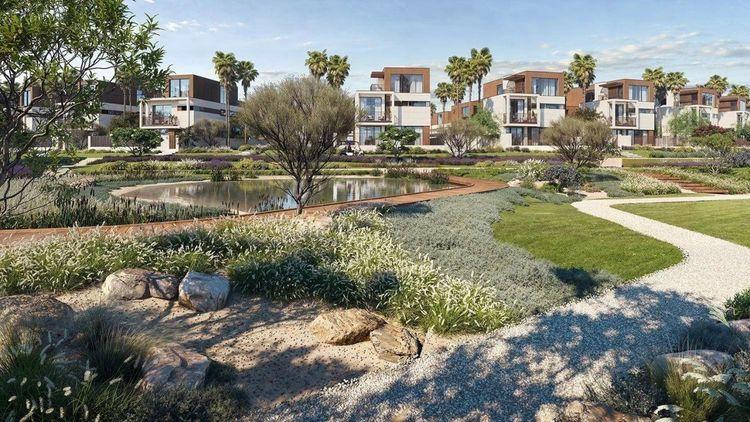
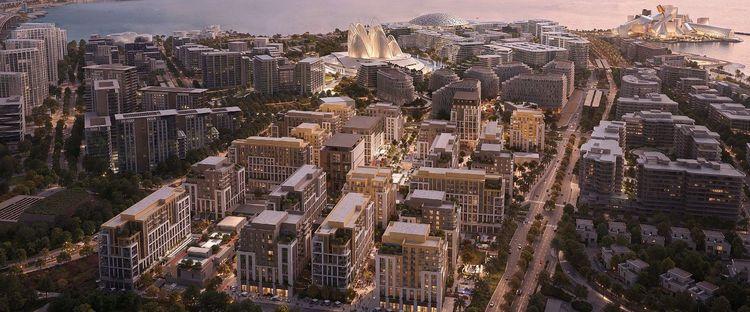
The spending covers transport infrastructure, hospitality assets and large real estate schemes, which the organisers of this week’s Morocco Showcase Summit describe as investment on an unprecedented scale.
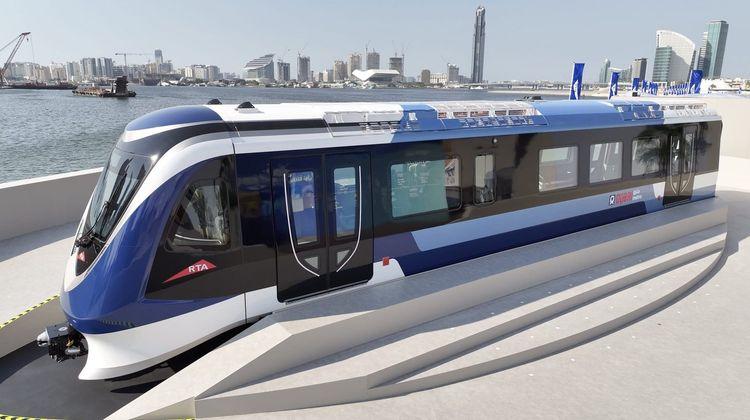
Among the projects due before 2030 is a $1.5 billion (MAD 15 billion) upgrade of the terminal at Casablanca’s Mohammed V airport, which will take the terminal from 14 million to 35 million passengers a year. A $9.6 billion (MAD 96 billion) rail programme is due in the same period.
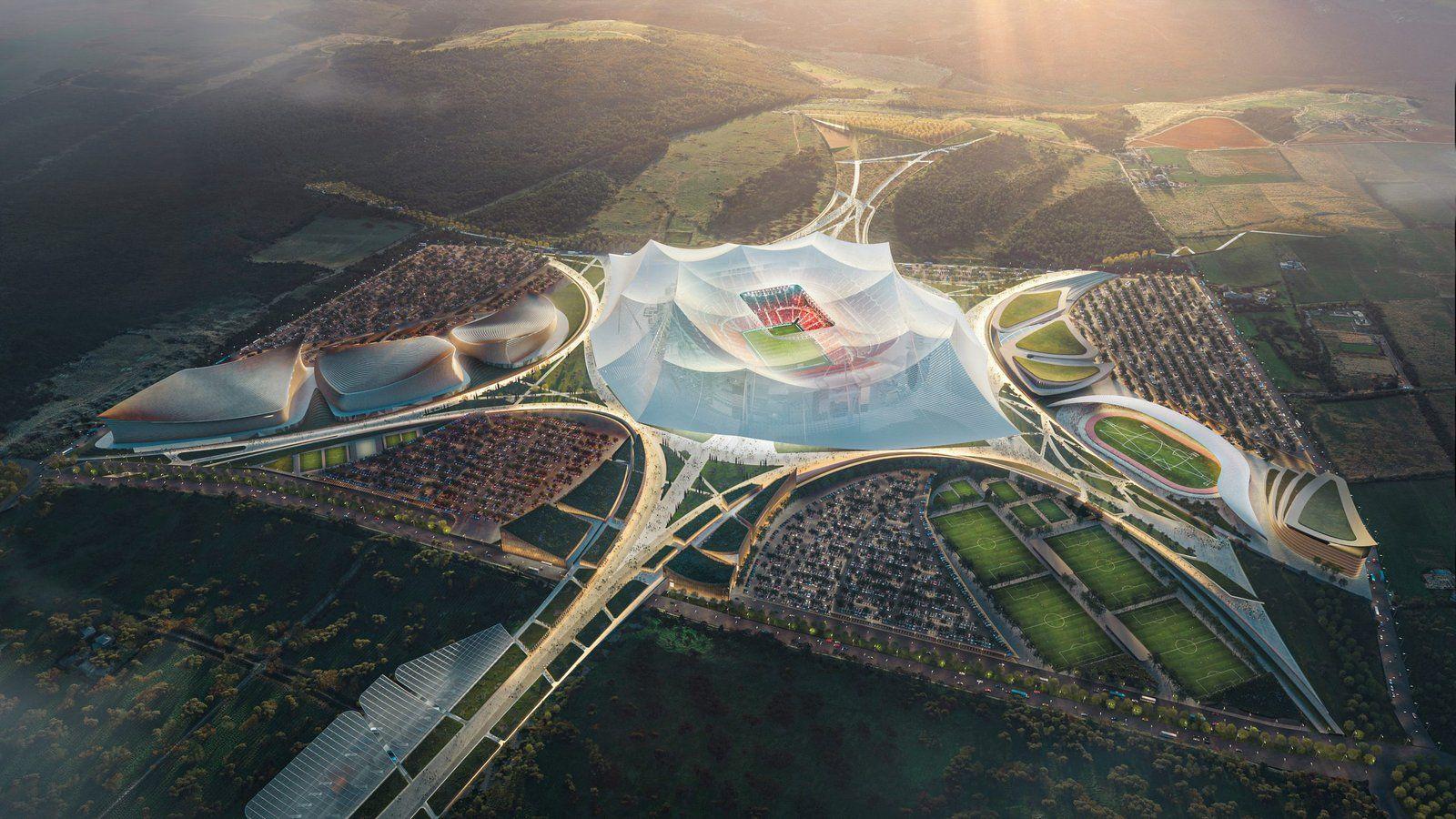
Stadium upgrades are running alongside these works, together with the new 115,000-seat Hassan II Stadium in El Mansouria. The stadium includes a three-way commuter railway line linking it to the airport.
National targets call for more than 30 million tourists a year and over 60,000 additional hotel beds by 2030, and the hospitality sector is growing in step. The organisers said this is pushing local operators and global brands to scale up quickly, and both groups will be in focus at the summit.
Casablanca-listed hotel operator RISMA, one of the summit’s sponsors, raised $45 million (MAD 450 million) in January 2026. The money funds a long-term plan to take the company to 28 hotels by 2030, and the organisers said the raise was massively oversubscribed, a sign of strong institutional interest.
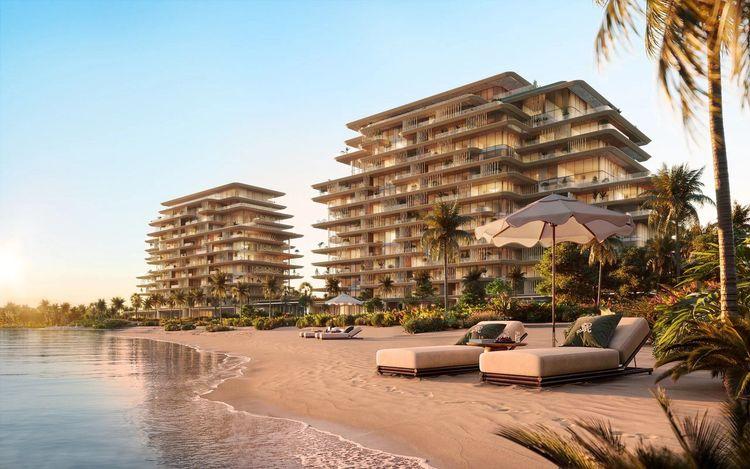
Marriott, Wyndham, Hilton, Accor and IHG are among the international hotel groups partnering with the event. Each is targeting Morocco as a key market in its expansion across Africa, and they will discuss opportunities in luxury, midscale and branded residences.
In October, Radisson Hotel Group set a target of growing from 11 to 30 hotels in Morocco by 2030.
Shady Hassan, VP, Lodging Development, North Africa at Marriott International, said: “Morocco continues to be an important growth market for Marriott International, supported by strong tourism momentum and significant investment in the country’s hospitality sector. We see exciting opportunities across a range of segments and look forward to joining owners, investors and industry partners at the Morocco Showcase Summit to discuss the next chapter of growth in the market.”
Murray Anderson, Managing Director of API Events, said: “Supported by stable and positive outlooks from global ratings agencies, healthy capital markets, strong FDI inflows and record-breaking tourism numbers, the platforms have been laid for growth well past 2030. Morocco Showcase Summit convenes with this in mind, bringing together the top local and global investors and roleplayers in hospitality, tourism and real estate to jointly harness opportunities for the decades to come.”
More than 300 hospitality, tourism and real estate leaders from Morocco and abroad will meet in Casablanca on 26 November for the summit, which the organisers said aims to examine these opportunities and keep up the momentum over the coming decades.
The Marriott Casablanca Hotel hosts the event under the theme “Momentum 2030: Catalysing Morocco’s Investment Journey”. Its partners are the Société Marocaine d’Ingénierie Touristique (SMIT) and the Confédération Nationale du Tourisme (CNT).
Driss Fassi Fihri, Co-founder and Managing Partner of ÆDGE Partners, an independent real estate private equity firm, said the 2030 projects and the investment flowing into them should be treated as a catalyst rather than a finish line. He said: “The infrastructure being delivered today, from airports to high-speed rail, is permanently changing the economics of Moroccan real estate and opens a unique window of opportunity for investors.”
The day is built around six themes, and from the afternoon a matchmaking room will pair investors in real estate and hospitality with developers, operators and owners.
The first theme, foreign capital and local equity, looks at why stability and infrastructure already in place are attracting international investors. A session on listings and liquidity will consider what the depth of the Casablanca Stock Exchange (CSE) means for developers, and where Gulf, European, diaspora and family office money is going.
Under deals and the capital stack, speakers will look at how banks, development finance institutions (DFIs) and international debt get transactions closed. The session also weighs equity against debt across asset classes, along with OPCIs (Moroccan collective real estate investment vehicles) and sale-and-leaseback deals.
The hotel performance and brands theme compares occupancy, average daily rate (ADR) and revenue per available room (RevPAR) with global cities, and asks what mega-events do to demand. It also covers luxury, midscale and branded residences.
A theme on business beyond hotels turns to the viability of mixed-use schemes, leisure and entertainment, boutique and eco-tourism, and destinations led by design.
The final theme deals with the return on investment once the tournament is over, and with the logistics and financing behind megaprojects.