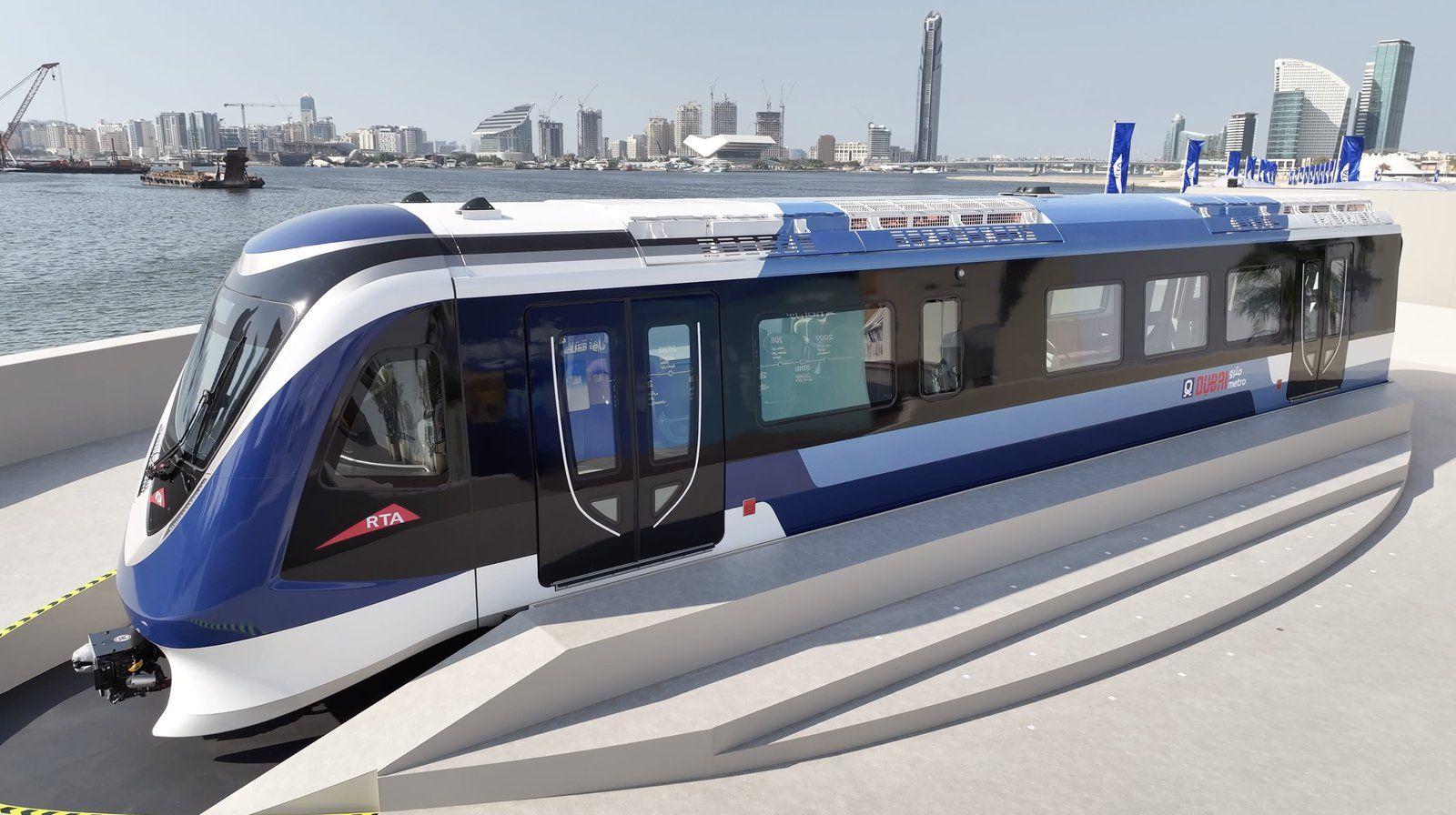
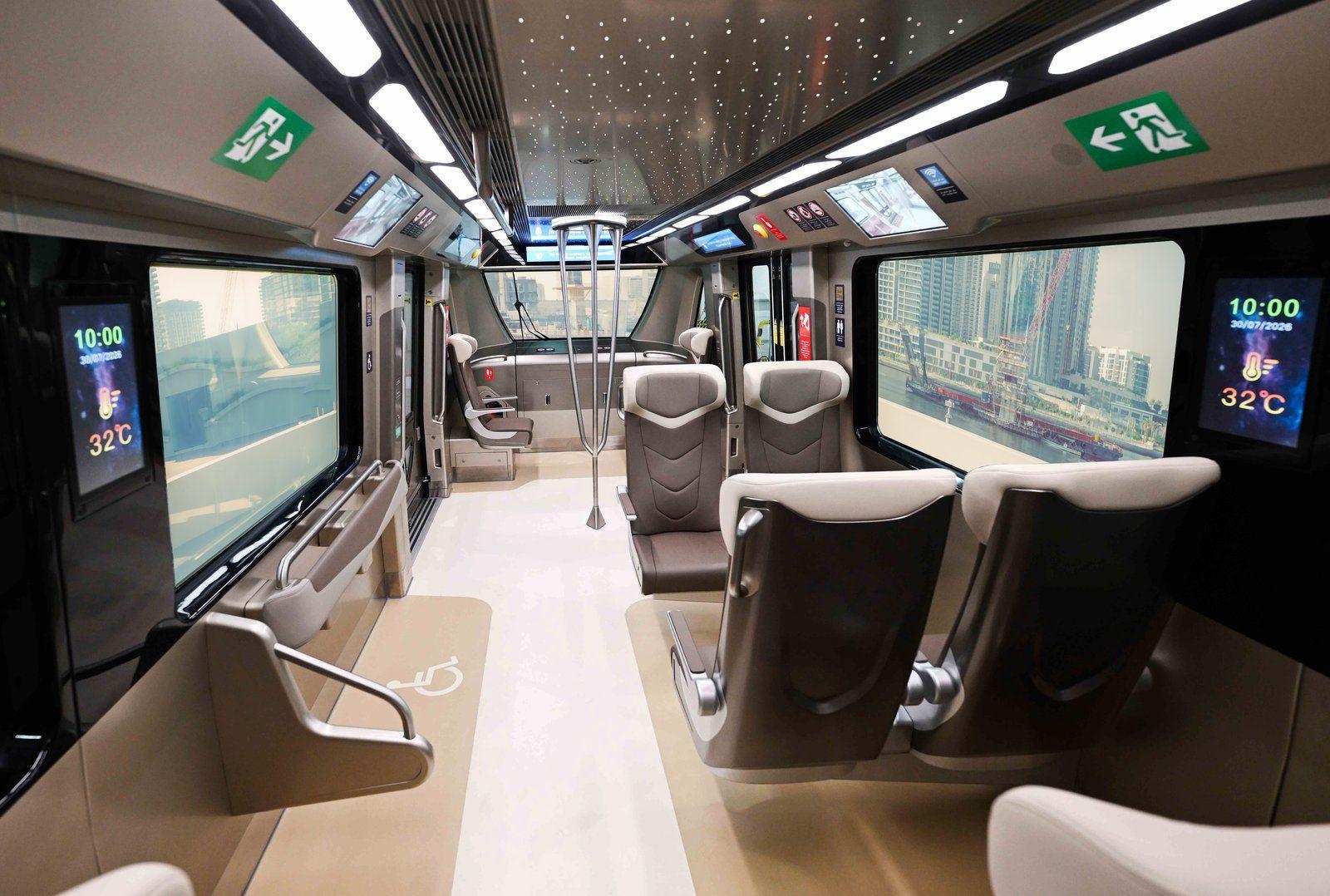
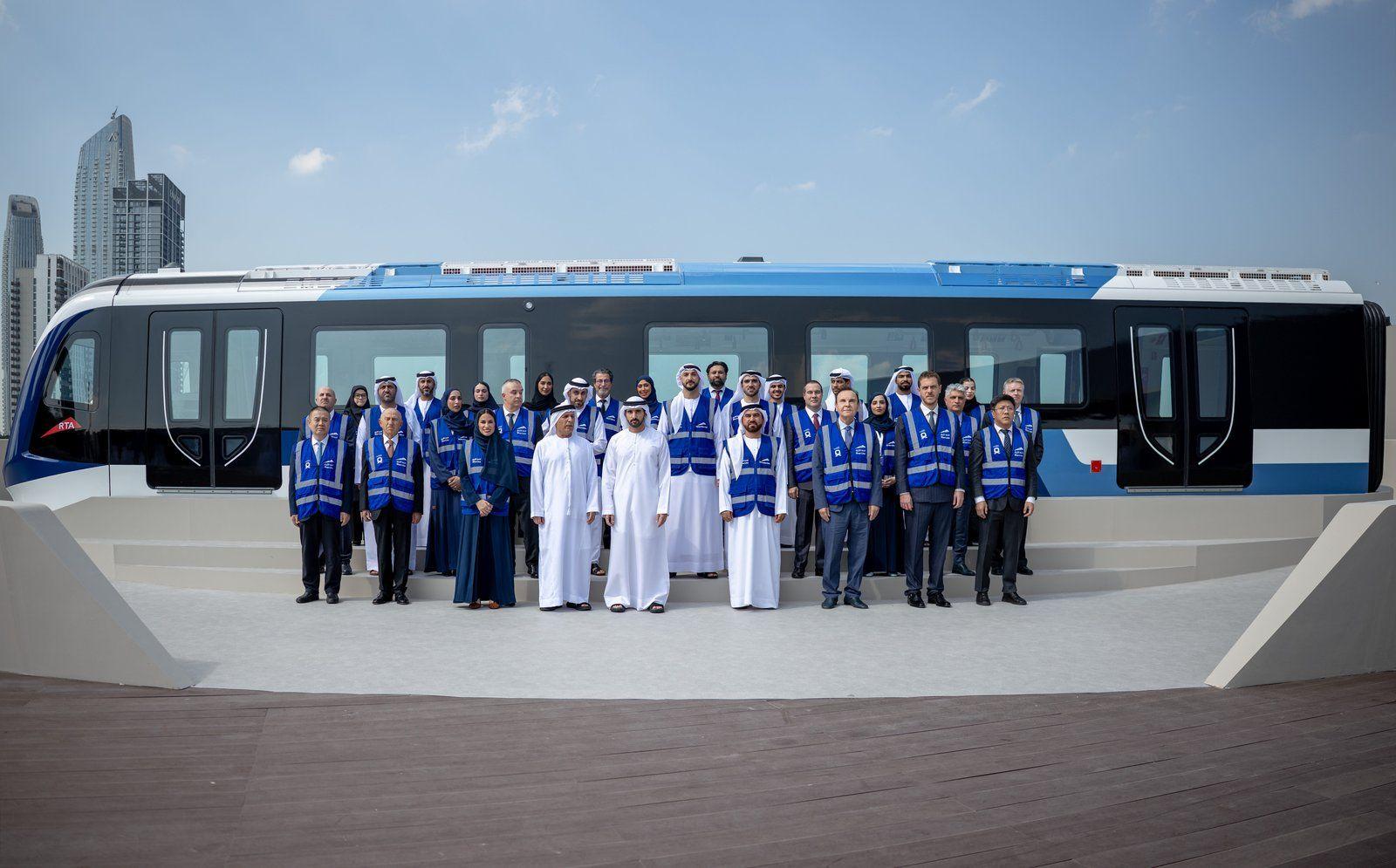
On the construction itself, Sheikh Hamdan was briefed on the Blue Line's latest progress. The authority describes the line as a strategic addition to the Metro network that ties Dubai's public transport system more closely together.
More than 14,000 workers have put in over 33 million working hours to bring overall completion to 29%. Underground stations are 32% complete, tunnel excavation is at 55%, elevated stations at 16% and bridge works at 17%, while bridge piers have reached 62%.
The RTA said the figures reflect progress across all of the project's sites, achieved through modern technology and engineering innovation, more efficient management of resources and delivery, and high quality and safety standards. Tunnelling began in May, when Sheikh Mohammed launched the Al Wugeisha tunnel boring machine on the $5.58 billion (AED 20.5 billion) project.
Al Tayer also explained how the bridge over Dubai Creek is being built. At 1.3 km long, it will be the first Dubai Metro crossing of the Creek and one of the most significant engineering elements of the project.
He said the construction method takes account of the bridge's position over the water, the engineering precision it demands, protection of the marine environment and the need to keep boats moving on the Creek for the whole build.
The bridge is made of precast concrete segments, placed in a balanced sequence by specialised cranes and platforms working from piers that are already finished. Al Tayer said this cuts the need for floating cranes and temporary marine platforms, keeps Creek traffic flowing, and improves efficiency, worker safety and accuracy.
He added that the segments are cast to set technical specifications and quality standards at a dedicated yard close to the Creek, then taken directly to where they are installed, which reduces transport.
Sheikh Hamdan also looked at the interior designs for the Blue Line stations, which follow five architectural concepts. One is the Emaar Properties Station, which the RTA calls iconic and which is based on the idea of a crossing gateway; the other four draw on the natural elements of water, air, fire and earth.
According to the authority, the station designs mix contemporary architecture with Dubai's cultural character through open spaces, natural light, flowing lines and colours taken from nature. Every station is given its own visual identity, with passenger comfort and ease of movement built into the layout, and the RTA said the concepts together bring architectural quality, engineering innovation and quality of life into the Metro experience.
The visit also traced the development of the nol electronic payment system, which was introduced with the Dubai Metro in 2009 and has since been extended to taxis, parking and retail.
The briefing took in the nol Plus loyalty programme, the digital nol card and the shift to account-based ticketing, as well as the next generation of nol–Jaywan cards being launched this month with Al Etihad Payments, a subsidiary of the Central Bank of the UAE.
The RTA called the cards a major step for electronic payments, saying they connect public transport more closely with digital payments and give riders simpler and more flexible ways to pay, in line with Dubai's move towards digital and smart services.
The Blue Line will run for 30 kilometres, 15.5 of them underground and 14.5 above ground. It will have 14 stations, including an iconic station at Dubai Creek Harbour, and three interchange stations: two linking it with the Red and Green Lines and one joining its two branches.
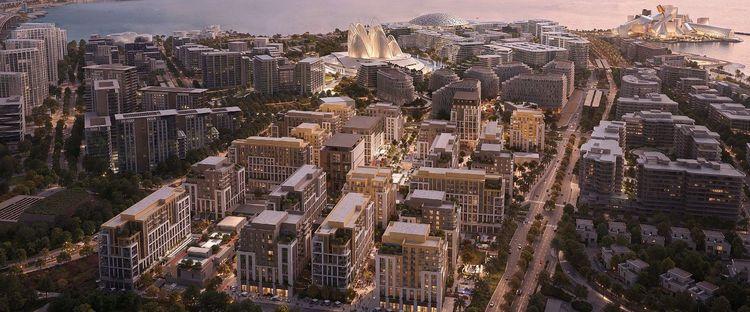
The route will serve Mirdif, Al Warqa'a, International City, Dubai Silicon Oasis, Dubai Academic City, Dubai Festival City and Dubai Creek Harbour, areas the RTA said are seeing rapid urban and population growth. The authority said the line will connect homes with business districts, education areas and development zones, so residents can reach services and economic and social activity more easily.
The project is tied to the Dubai 2040 Urban Master Plan, which the RTA said it backs by steering development towards public transport stations and providing sustainable travel between residential communities and business, education and service centres. According to the authority, this will improve quality of life and the efficiency of the transport network, and add to Dubai's appeal as a place to live, work and invest.
The authority described the Blue Line as part of the emirate's plan to build infrastructure ahead of future demand, using new technology and engineering methods throughout construction and operation, in support of Dubai's goal of becoming the world's best city to live, work and visit. Completion is scheduled for 9 September 2029.