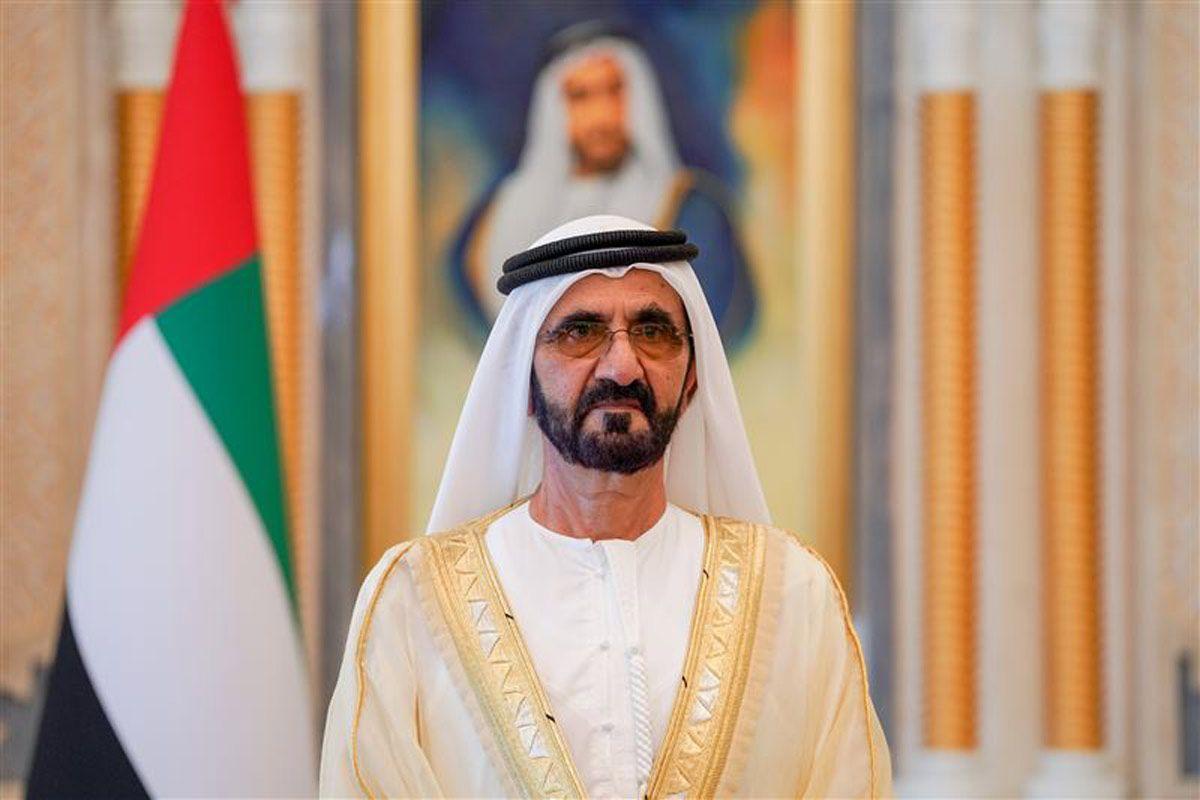
Dubai, UAE - His Highness Sheikh Mohammed bin Rashid Al Maktoum, Vice President and Prime Minister of the UAE, has issued Law No. (18) of 2026 concerning the Dubai Municipality, a new statute setting out what the authority exists to do and the powers it holds across the emirate.
He issued the law as Ruler of Dubai. According to the Government of Dubai Media Office, it is intended to strengthen the municipality’s part in sustainable development, improve quality of life in the city and raise Dubai’s competitiveness on the world stage.
Dubai Municipality was set up under the 1961 Order Establishing the Dubai Municipality Council. The new law treats it as a government department with legal personality, able to carry out every act and activity it needs to meet its objectives.
Its mandate and powers will cover the whole Emirate of Dubai, free zones and special development zones included, among them the Dubai International Financial Centre (DIFC). The exception is any zone that a specific legislative provision exempts from the municipality’s jurisdiction, and the reach is governed by the law, the decisions issued under it and other legislation in force.
Urban planning comes first among the objectives the law lists. The municipality is to build a future-ready city that improves quality of life, happiness and wellbeing, using a planning system the law describes as integrated and sustainable, one that supports economic growth, protects the emirate’s urban heritage and meets what future cities will require.
A better urban environment is another aim. The law points to public and recreational facilities built to a global standard, together with more green space, as ways of raising quality of life throughout Dubai.
The municipality is also charged with developing infrastructure and with integrated waste management across the emirate, both tied to sustainable development goals and to managing resources efficiently.
On construction, the law aims to move the building sector forward by adopting advanced technologies from around the world. Public health and safety, and food safety, are to be maintained in line with international best practice, which the law links to Dubai’s standing as a leading city in which to live, work and visit.
Partnerships with the private sector and the creation of new economic opportunities are on the list too. So are proactive, integrated services meant to go beyond what the community expects and add to wellbeing and quality of life in Dubai.
The final objective concerns strategic partnerships, with the municipality expected to deepen its ties with government entities, cities and peer institutions worldwide.
Beyond those goals, the law sets out the municipality’s mandate and powers, among them its authority to oversee and inspect, and to check that applicable legislation is being complied with.
It may hand any of its functions or powers to a public or private entity, subject to applicable legislation. Each arrangement needs an agreement fixing the rights and obligations of the municipality and the contracted party, plus the conditions, requirements and standards to be met when the outsourced work is carried out.
The municipality’s executive body is also regulated by the law. It is made up of the Director General, executive directors and a number of administrative and technical employees.
A decree from the Ruler of Dubai will appoint the Director General, who will answer directly to The Executive Council of Dubai for the responsibilities the law assigns. The law also lays down how the appointment is made and what functions and powers the post carries.
The municipality’s financial resources are defined as well. Its accounts and financial year are to follow government accounting principles, standards and practices.
All persons and government entities are required to cooperate fully with Dubai Municipality and its affiliated entities and to meet their requirements. When asked, they must supply any data, information, documents, statistics and reports that the municipality and its affiliates judge necessary to reach their objectives and carry out the functions given to them under the law, its implementing decisions and other legislation in Dubai.
The 1961 Order Establishing the Dubai Municipality Council is superseded by the new law. Where a provision in other legislation conflicts with it, that provision is repealed to the extent of the conflict.
Rules already in force at the municipality, whether legislation, regulations, local orders, decisions or bylaws, and including those issued under the 1961 order, will keep applying where they don’t conflict with the new law or other Dubai legislation. They stay in place until replacements are issued.
Last month the municipality signed $817 million (AED 3 billion) of Tasreef stormwater contracts, four in all, for the drainage programme’s third phase.
Law No. (18) of 2026 takes effect on the date of its publication in the Official Gazette.