Makkah, Saudi Arabia - Makkah’s General Transport Center has agreed $1.51 billion (SAR 5.664 billion) in public-private partnership deals for Wasel Al-Haram, a programme of parking, stations and transport corridors in the city centre and beyond.
The centre is the executive arm of the Royal Commission for Makkah City and Holy Sites. Its private partners will help develop the city’s transport system and make the central area and the Grand Mosque easier to reach.
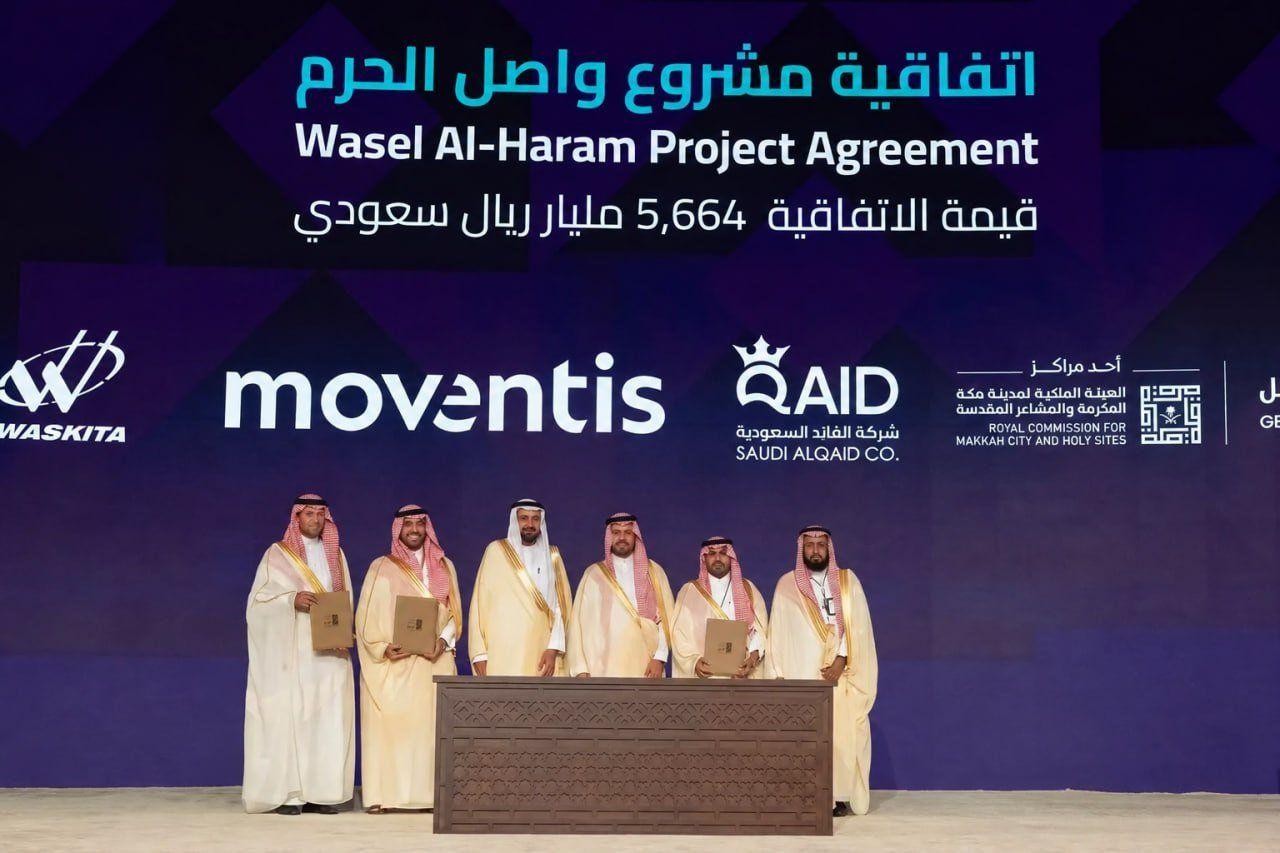
The deals were signed as the sixth Hajj Conference and Exhibition opened, and the work is split into three investment groups.
A consortium of Al-Qaed, Moventis and Waskita signed for the first and third groups, while the Mawqif consortium took the second. Each agreement is a PPP in which the private partners provide all of the financing.
Across the three groups, Wasel Al-Haram comprises 19 stations and parking facilities on seven corridors. They cover 3.1 million square metres in total, and 3,200 buses will run on the network.
The groups are expected to carry up to 205 million passengers a year. According to the announcement, this will make transport more efficient and ease journeys into and out of the central area.
An advanced monitoring system with 46 performance indicators will track service quality and operational efficiency. The indicators span bus operations, real estate management and smart systems, and aim to make the service more reliable for users.
The project is forecast to add between $2.93 billion and $3.2 billion (SAR 11 billion to 12 billion) to GDP. It is also expected to create 2,800 to 3,000 local jobs over an investment period of seven to ten years.
Grand Mosque visitors are to benefit directly: stations will be brought up to the highest standards, with modern commercial facilities, integrated digital systems and shuttle bus services.
A dedicated centre will also train Saudi nationals in transport, hospitality, retail and logistics, so more local people take part in running the system and its related services.
The commission’s CEO, Saleh bin Ibrahim Al-Rashid, called the signing an important phase in the development of Makkah’s transport system. He pointed to the way the project brings together infrastructure, operational services and long-term investment, using private sector capabilities to improve asset efficiency, service quality and sustainability.
Al-Rashid said Makkah’s unique status and the continuous stream of visitors to the Grand Mosque put a heavy responsibility on its transport system. Capacity alone was not enough, he said: the system also needed effective organisation, reliable service and sound management of resources.
He described the project as part of a strategic plan to make Makkah more efficient, serve its residents and visitors, and build sustainable investment partnerships with real impact.
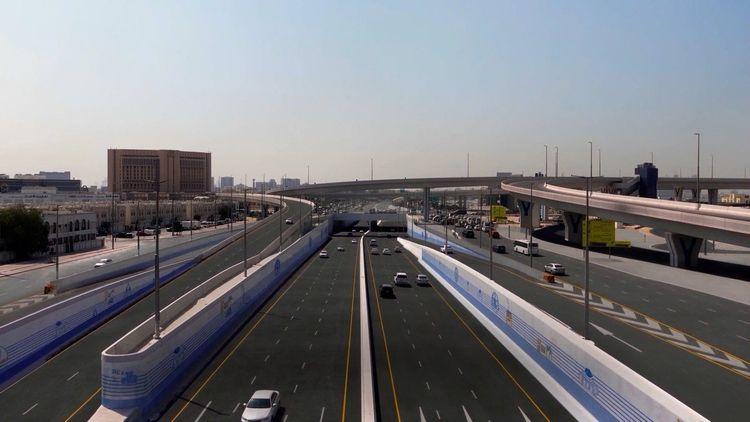
The agreements follow the commission’s opening of the Third Ring Road extension in late October, which shortened the drive from the Prince Mutib intersection to the Grand Mosque from 16.5km to 6.5km.