Miami widened the lens
In May 2026, the series moved to Miami. The second edition, held May 12-13 at the James L. Knight Center, brought together more than 740 attendees: developers, investors, PropTech companies, architects and policymakers.
Miami and Dubai are different markets, but they share something: both sit where property, international capital and technology meet. The Miami edition reinforced what Dubai had already shown. PropTech is no longer a specialist conversation. It's a mainstream real estate issue, and the questions look different depending on who's asking.
The 2026 Dubai room
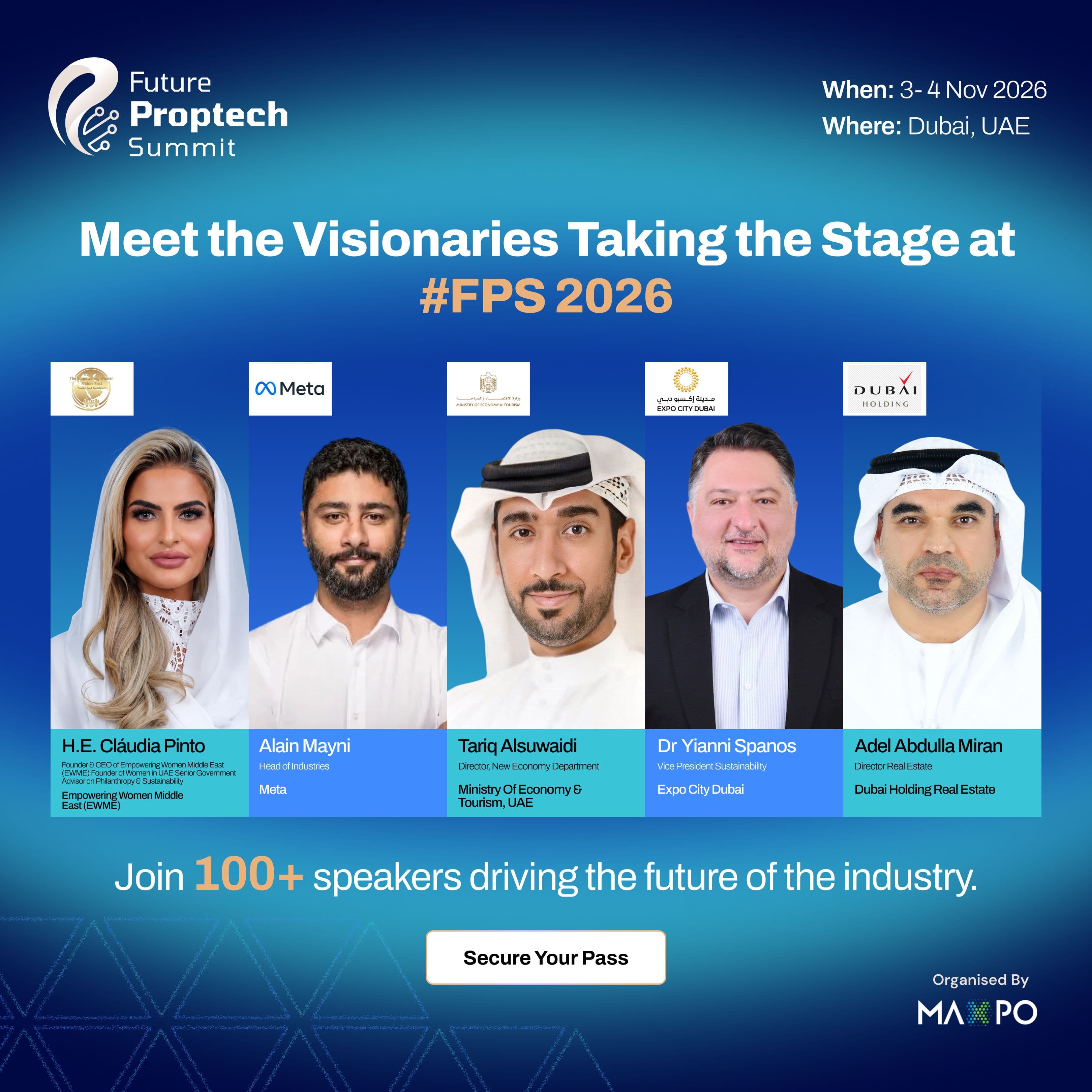
The speaker lineup reflects how broad the conversation has become. Tariq Al-Suwaidi of the UAE Ministry of Economy & Tourism returns, joined by Hans Henrik Christensen of Dubai Technology Entrepreneur Campus, Mohamed Fateh Almsadi of fam Properties, Sonia Mehta of Savills, Abdullatif Albitawi of the Emirates Green Building Council and Dr. Yianni Spanos of Expo City Dubai.
Also speaking: Alain Mayni of Meta, Nik Grubor of Johnson Controls International, Sunder Jagannathan of PropVR, Muneeb Farukh of Bayut and dubizzle, H.E. Maher Al Kaabi of Alserkal Group and Omar El Yakobi of Schneider Electric.
Developers, investors, government, operators, all in one room. Their priorities don't always align, which is precisely what makes the conversation useful.
Why Dubai stays central
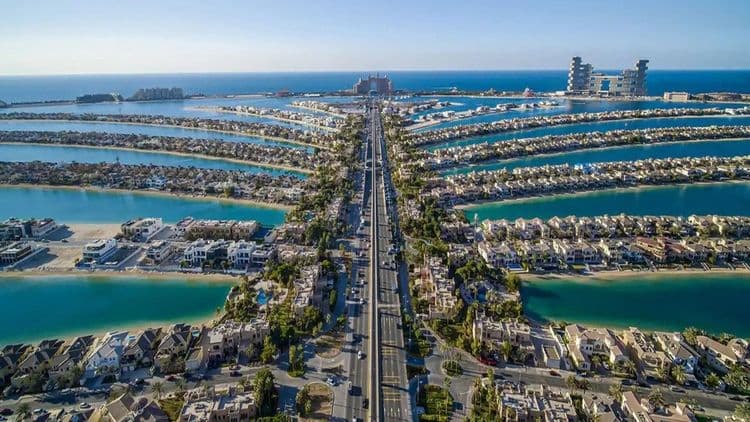
Dubai is not just another real estate market. It's a convergence point for international capital, developers and technology companies seeking access to the wider Middle East. Commercial real estate transaction value reached approximately USD 17.76 billion (AED 65.23 billion) in the first half of 2026, up 8.5% year on year, according to ANAROCK Middle East data.
The city's development pipeline, investor base and government digital programmes give new property technology somewhere real to be tested. The summit also has support from the Russian Business Council Dubai, reflecting the city's long-standing role as a place where commercial relationships are built across complicated borders.
Singapore is next
The fourth edition is planned for Singapore on February 23-24, 2027. Asia-Pacific brings a different perspective: dense cities, sophisticated capital markets, rapid urban development.
Three cities, three angles on the same underlying question of how technology is changing the way the built environment gets financed, built and run.
The case for going ahead in Dubai is straightforward. Business doesn't stop because conditions are difficult. Buildings still need to be built, assets operated, capital deployed.
Technology doesn't become less relevant when the geopolitical environment gets harder. In some areas it becomes more relevant.
Dubai has built its economy around movement. This is not an easy period. But the city is still moving, and on November 3-4, so is the conversation about what real estate looks like next.
Article by Urwa A. Beigh, Conference Producer and Media Specialist, Maxpo Exhibitions Pvt. Ltd.