Hotel performance varied significantly by city in the year to June 2026, with religious tourism destinations outperforming business-oriented markets.
Makkah recorded the strongest growth, with occupancy increasing 4.0 percentage points (PP) year-on-year to 68.2%, while Revenue Per Available Room (RevPAR) rose 8.7%.
The performance reinforced Makkah’s role as a resilient hospitality market despite broader disruption to international travel.
Post-Hajj demand also extended into Madinah, supporting hotel performance across both Holy Cities during Q2.
Madinah recorded the Kingdom’s highest occupancy rate at 75.1%. Continued pilgrimage demand helped limit its RevPAR decline to 2.4%, despite softer Average Daily Rates (ADR).
Riyadh Faces Pressure From Corporate Demand
Conditions were more challenging in Saudi Arabia’s commercial hubs, where softer corporate demand and growing supply increased competitive pressure.
Riyadh recorded the sharpest decline, with hotel occupancy falling 9.2 PP to 47.6%, while RevPAR decreased 23.2%.
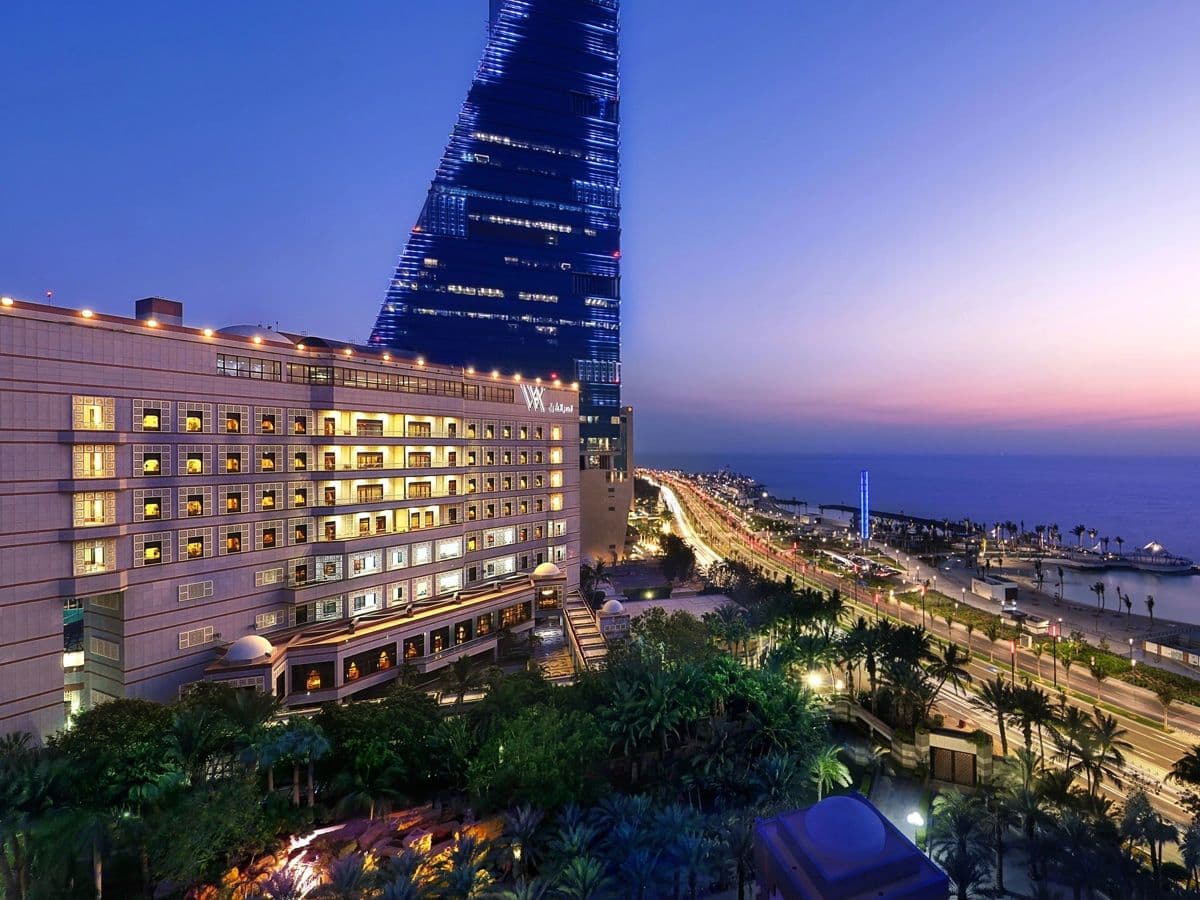
Jeddah proved comparatively resilient. Occupancy declined 0.9 PP to 66.4%, although lower ADR contributed to a 7.2% decrease in RevPAR despite sustained domestic leisure activity.
The divergence in performance highlights the different demand drivers shaping Saudi Arabia’s major hospitality markets, with religious and domestic tourism proving more resilient than discretionary international travel.
Holy Cities Expand Hotel Supply
Investment continued to gravitate towards markets with established demand fundamentals as Makkah and Madinah expanded accommodation capacity to support Saudi Arabia’s religious tourism and pilgrimage growth targets.
Makkah added approximately 1,100 keys during Q2, while Madinah added roughly 220 keys, bringing total stock across the two cities to 354,800.
Riyadh’s hotel inventory increased by approximately 490 keys, while Jeddah added around 180 keys during the quarter.
The continued delivery of hotel supply across the Kingdom’s key cities is expected to increase competition, placing greater emphasis on asset quality, differentiated guest experiences and brand positioning.
According to JLL, operators are increasingly focusing on revenue optimisation, cost efficiency and technology-enabled operations as they respond to changing demand patterns while seeking to protect profitability.
Long-Term Tourism Outlook Remains Positive
Although overall tourism declined by around 5-7% during the first five months of 2026, JLL maintains a positive longer-term outlook for Saudi Arabia’s hospitality sector.
Market performance is expected to strengthen as international travel confidence improves and tourism demand continues to diversify across domestic and international visitor segments.
The combination of religious tourism, domestic travel and continued Vision 2030 investment provides a foundation for further development, even as individual hotel markets adjust to changing demand and new supply.