Dubai, UAE - Tenants signing new apartment leases in Dubai are typically paying 9% less than the same homes fetched in 2025, while landlords renewing with sitting tenants are largely keeping rents where they were, a study by fäm Properties has found.
The brokerage looked at more than 35,000 registered tenancy contracts from the past three months. It found that 73% of new leases were cheaper than the previous year’s rent. Among renewals, 44% went up and 37% stayed level.
The data comes from tenancy contracts registered with the Dubai Land Department. It covers 18,096 apartments let to new tenants and 17,234 renewed between August and October 2026, every one of which also had a registered contract in 2025.
Each apartment is measured against its own earlier rent. fäm Properties said this gives a clearer view of rent movements than comparing average market rents.
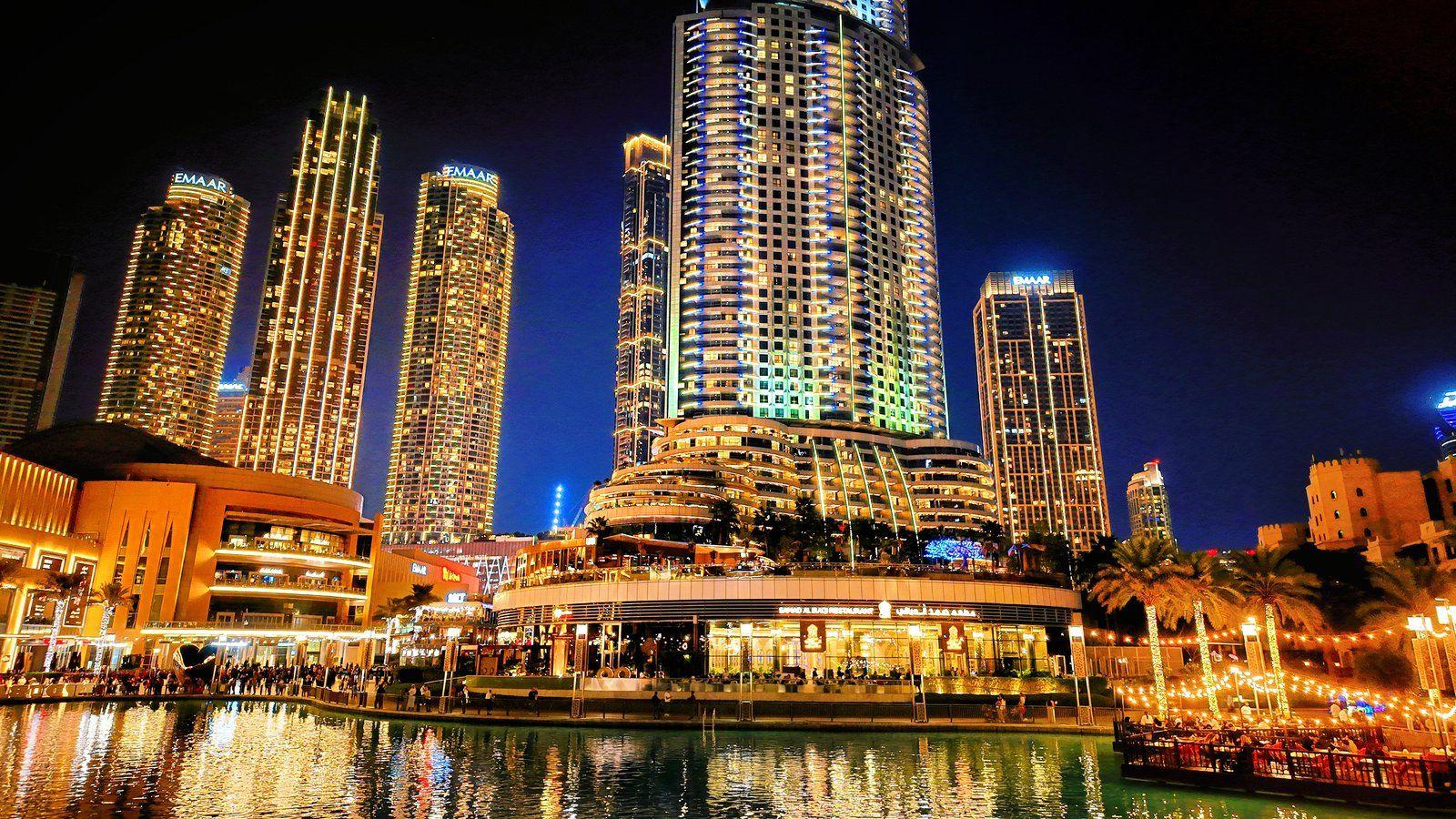
Results varied widely by location. In the Burj Khalifa area, which takes in Downtown Dubai, the median new lease was 15% lower, the steepest cut in the study. Business Bay came next at 14.6%, then Marsa Dubai, home to Dubai Marina, at 13.6%.
The falls were smaller further out: a median 6.0% at Al Hebiah Fourth, the area that takes in Dubai Sports City, 5.7% at Me’Aisem First, home to Dubai Production City, and 4.7% at Jebel Ali First, the area covering Discovery Gardens.
Al Warsan First, where most of International City sits, showed no change in its median new lease rent from 2025, and 46% of its new leases were higher than a year earlier.
The shift has built through the year. Only 24% of new leases were below their 2025 level in January to March. That share climbed to 60% for April to July, then 73% for August to October.
Over the same three periods, the median change went from 2.6% above 2025 rents to 5.5% below, and then to 9.1% below.
The pattern follows fäm Properties’ finding in September that new leases had outnumbered renewals in July and August, the first time that had happened since its dataset began in January 2023.
Firas Al Msaddi, CEO of fäm Properties, said: “The Dubai rental market has shifted significantly during 2026, and we expect it to continue changing through 2027. Conditions are becoming more varied, and understanding what is happening means looking beyond headline averages.”
“Landlords and tenants need to recognise that conditions can differ a great deal depending on the property, its location and whether a tenancy is new or being renewed. Reliable, detailed market information is essential to making informed decisions,” he added.
Despite softer rents for new tenants, the company’s research puts Dubai’s freehold rental market on track for another annual record. Some 339,557 contracts were registered in the first ten months of 2026, up 6.8% on the same months of 2025, a year that finished at an all-time high of 377,976.
The company also broke the figures down for the 13 communities that logged at least 500 new leases over August to October, again comparing each apartment with its own 2025 rent. Together they made up 13,005 of the 18,096 new leases and 11,033 of the 17,234 renewals in the study, and the company said the split shows how differently rents are moving from one location to the next.
Al Barsha South Fourth, which includes Jumeirah Village Circle (JVC), had the most new leases, at 2,190, along with 871 renewals. Its median new lease rent was down 11.1%.
Business Bay recorded 1,633 new leases and 996 renewals, and Marsa Dubai 1,615 and 1,398. In the Burj Khalifa area the counts were 843 and 529.
New lease rents were down a median 11.9% in Al Merkadh, across 1,257 new leases and 331 renewals, and 11.2% in Al Thanyah Fifth, which includes Jumeirah Lake Towers, across 777 and 658.
Al Khairan First, the area covering Dubai Creek Harbour, recorded a 10.0% fall over 517 new leases and 334 renewals. Al Barsha South Third, which includes Arjan, was 8.7% lower over 680 and 1,042.
Al Hebiah Fourth logged 648 new leases and 757 renewals, while Me’Aisem First had 528 and 568.
Renewal rents held at a median of 0.0% in ten of the 13 communities. The three exceptions were Nadd Hessa, which includes Dubai Silicon Oasis, at 4.0% higher; Al Warsan First, covering International City except Phase 3, at 2.3%; and Jebel Ali First at 1.9%.
Nadd Hessa also had the smallest new lease fall among the 13, at 1.9%, over 570 new leases and 990 renewals. Jebel Ali First counted 887 new leases and 1,162 renewals, and Al Warsan First 860 new leases and 1,397 renewals.