Changing expectations for housing
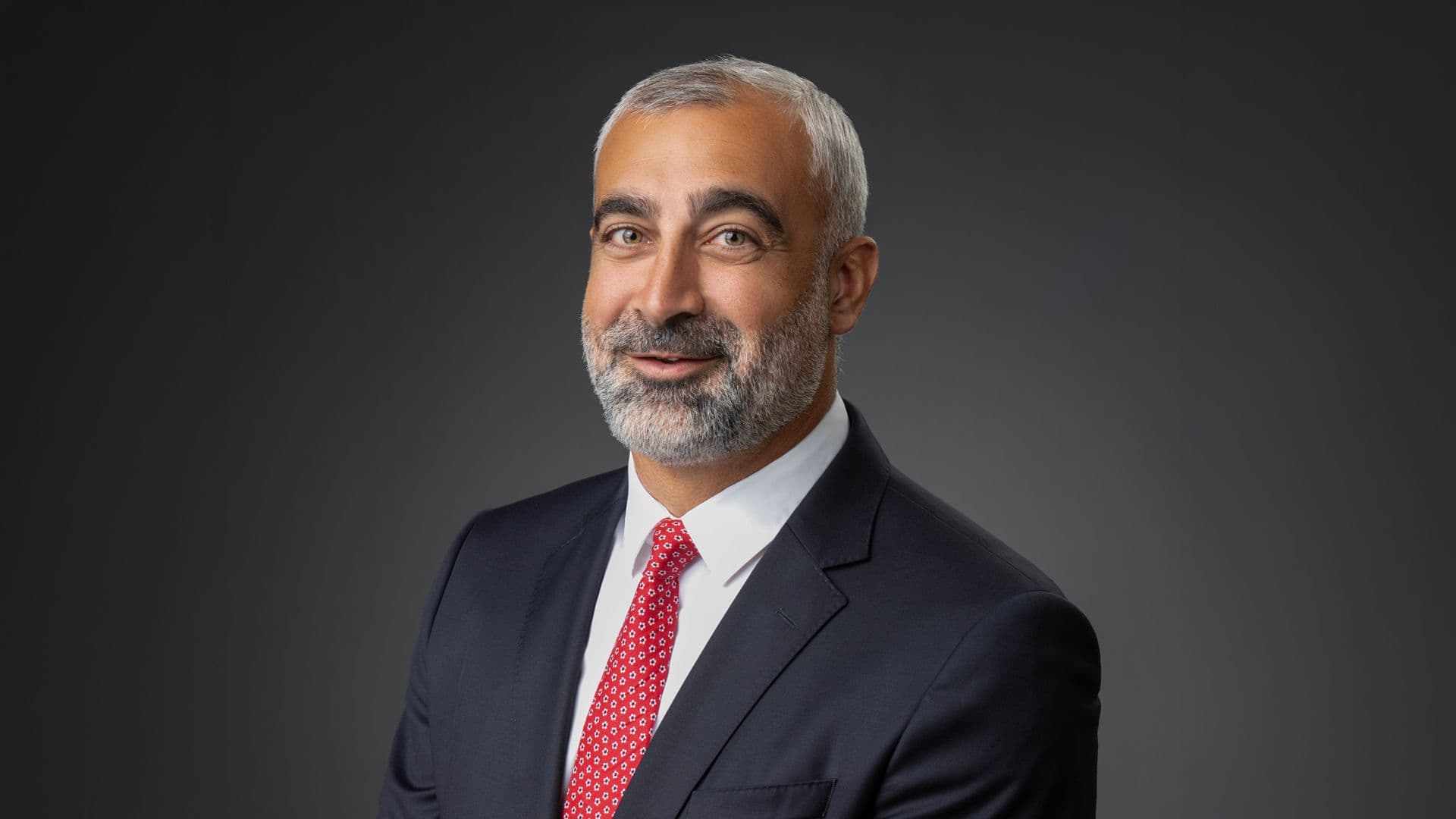
Zacky Sajjad MRICS, Director of Business Development and Client Relations at Cavendish Maxwell, said: “For much of the past decade, the GCC’s residential and hospitality story has been dominated by luxury, with branded residences, five-star hotels and increasingly ambitious mixed use developments helping cities like Dubai, Abu Dhabi and Riyadh stake their claim on the global investment map. The next 10 years are likely to see a shift towards co-living across several concepts, with market fundamentals underscoring the demand.
“Governments across the region want to attract new international talent, grow tourism, expand universities, increase home ownership and diversify their economies. At the same time, populations are growing and becoming more internationally diverse, while the expectations of residents are changing. Increasingly, people are not simply buying or renting four walls; they want convenience, flexibility, community, services and experiences.
“This changes the conversation for developers and investors. It is no longer a question of whether to build residential or hospitality: it’s about understanding who will live there, how they want to live, what services they value and what they are prepared to pay for them. The GCC continues to demonstrate an extraordinary ability to deliver high-quality real estate at scale and, with the economic and demographic changes taking place across the region and strengthening the case for new concepts, there is a real opportunity for investors and developers to apply that capability to a wide and diverse range of alternative living concepts that will further enhance the strength of the property sector.”
Senior living and student accommodation
Cavendish Maxwell cautions that established models from other countries cannot simply be copied into GCC cities. Local demographics, cultural expectations, affordability, regulation and family structures would all affect how co-living, student accommodation or senior living developments are designed and operated.
“Take senior living as an example,” said Zacky Sajjad, Director of Business Development and Client Relations at Cavendish Maxwell. “With the rising cost of living, accommodation and care in countries such as the UK, the UAE is potentially an attractive alternative for internationally mobile retirees seeking a high quality of life, safety, connectivity, year-round sunshine and access to high-quality healthcare and hospitality led services. Rather than replicating the traditional retirement home model there is an opportunity to rethink senior living altogether combining independent living, hospitality, wellness, healthcare and community.
“The same argument can be made for purpose-built student accommodation. The UAE’s higher education sector has expanded considerably with a growing university ecosystem and ambitions to attract more students from across the Middle East, Africa, Asia and further afield. As that population grows and becomes increasingly international there is a logical opportunity for professionally managed accommodation designed specifically around student needs, incorporating community, security, amenities, technology and study facilities.”
Co-living in Dubai
Cavendish Maxwell believes co-living warrants greater attention, particularly in Dubai. Although residential rents are beginning to moderate after sharp rises since the pandemic, the firm says housing can remain difficult to afford for young professionals and people newly arriving in the city.
A professionally managed co-living development could offer a more flexible entry point, with purpose-designed communal areas, services and amenities that conventional house sharing may lack.
Zacky Sajjad, Director of Business Development and Client Relations at Cavendish Maxwell, added: “These examples demonstrate why alternative living sectors should not simply be viewed as concepts imported from mature international markets. The GCC has a golden opportunity to create its own versions, drawing on one of the region’s greatest strengths – hospitality. The result could be a new generation of hospitality-led living concepts sitting somewhere between traditional residential and hotel accommodation and responding to how people increasingly want and need to live.
“Data and market intelligence is critical in identifying genuine gaps in demand rather than following the latest property trends. The next stage of the GCC property market will not only be about building more homes or hotels, but more about creating more sophisticated choices for living and delivering the next chapter in the region’s real estate success story.”