Property News International

Subscribe to Our Newsletter

Sign up to receive the latest tech news and updates from Property News International straight to your inbox.

By signing up, you will receive emails about property news products and you agree to our terms of use and privacy policy.

@2026 Property News International. All Rights Reserved.

Blends Media
A Blends Media Group Production

6 Digital Skills Becoming Essential for Construction Professionals

PlanRadar identifies six digital skills becoming essential for construction professionals, from BIM and data literacy to AI and digital workflows.
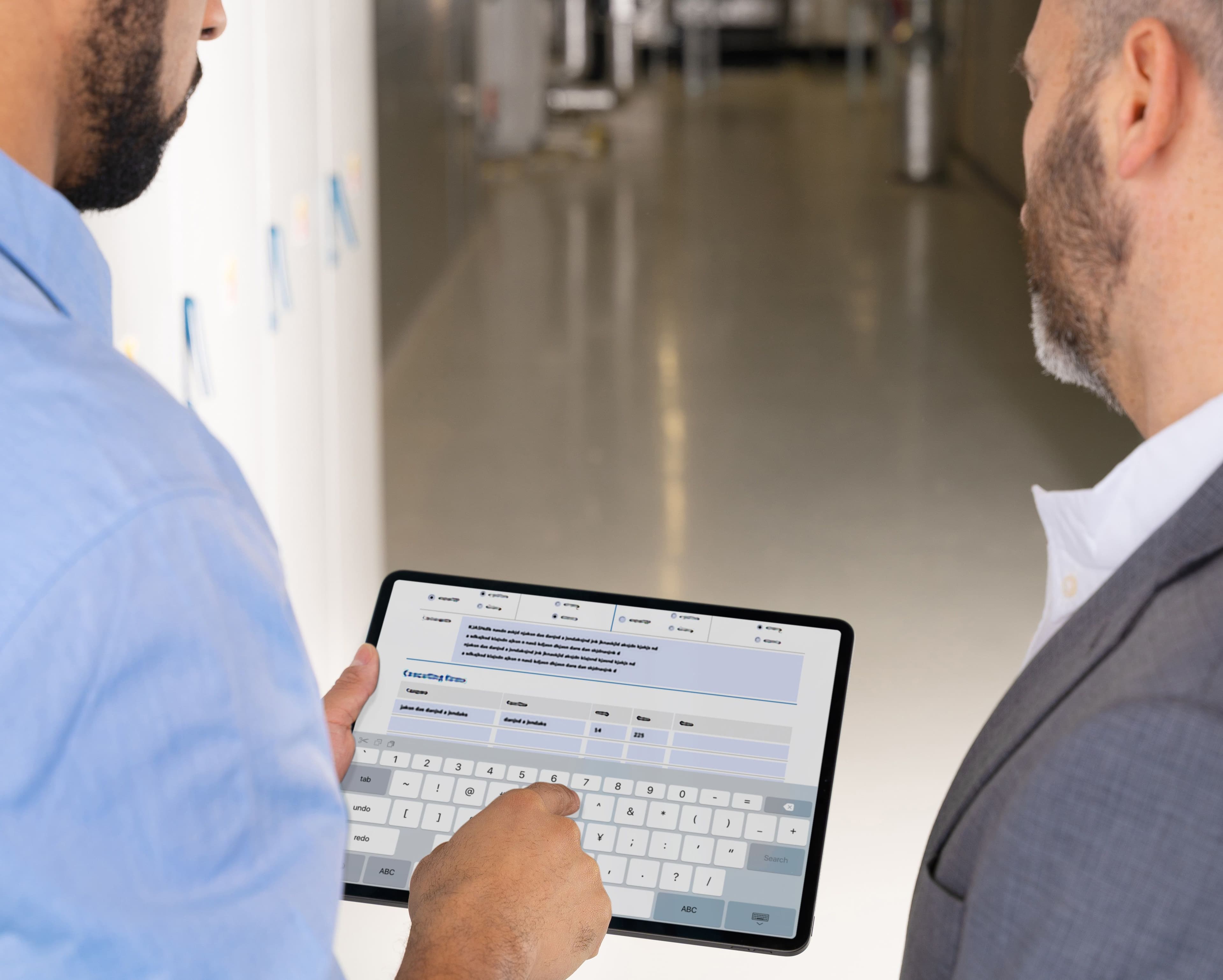
PlanRadar identifies six key digital skills reshaping construction workflows and project delivery.Digital skills for construction professionals including BIM, AI and digital project management. Image: Supplied

According to a recent skills report, 59% of quantity surveying and construction professionals identified advanced digital tools as the most important skill for the future.

Construction has always relied on practical experience: understanding how projects are delivered, spotting risks early and knowing when something on site is not right. These skills remain essential, but as digital tools become more embedded across the industry, the way construction teams work is changing.

As a digital platform working with construction teams around the world, PlanRadar has identified six skills that are becoming increasingly important on the modern jobsite, helping professionals work more efficiently and adapt as construction becomes more digital.

1. Creating clear digital project records

Good documentation is more than taking a photo or writing a quick note. Site information should clearly show what happened, where it happened, who is responsible and what action is needed. This makes it easier for contractors to respond and for reviewers to confirm that work has been completed correctly.

A 2023 case study found that introducing structured digital quality-control documentation reduced supervisors’ documentation workload by 80–90%. Standardised data entry also improved the accuracy and usability of inspection records. Clear, organised information also provides a stronger foundation for future automation and AI.

2. Coordinating digital workflows

Construction professionals increasingly need to understand how information moves through a project, not just how to use individual tools. An inspection, Request for Information (RFI) or approval should have a clear path, showing who starts it, what information is needed, who reviews it and when it must be escalated.

This matters because delays in these workflows can have a real impact. A PlanRadar study of 1,728 construction professionals found that one in four respondents said delayed approvals typically add more than a month to project timelines. Clear digital workflows help teams keep responsibilities visible, reduce missed actions and move decisions forward faster.

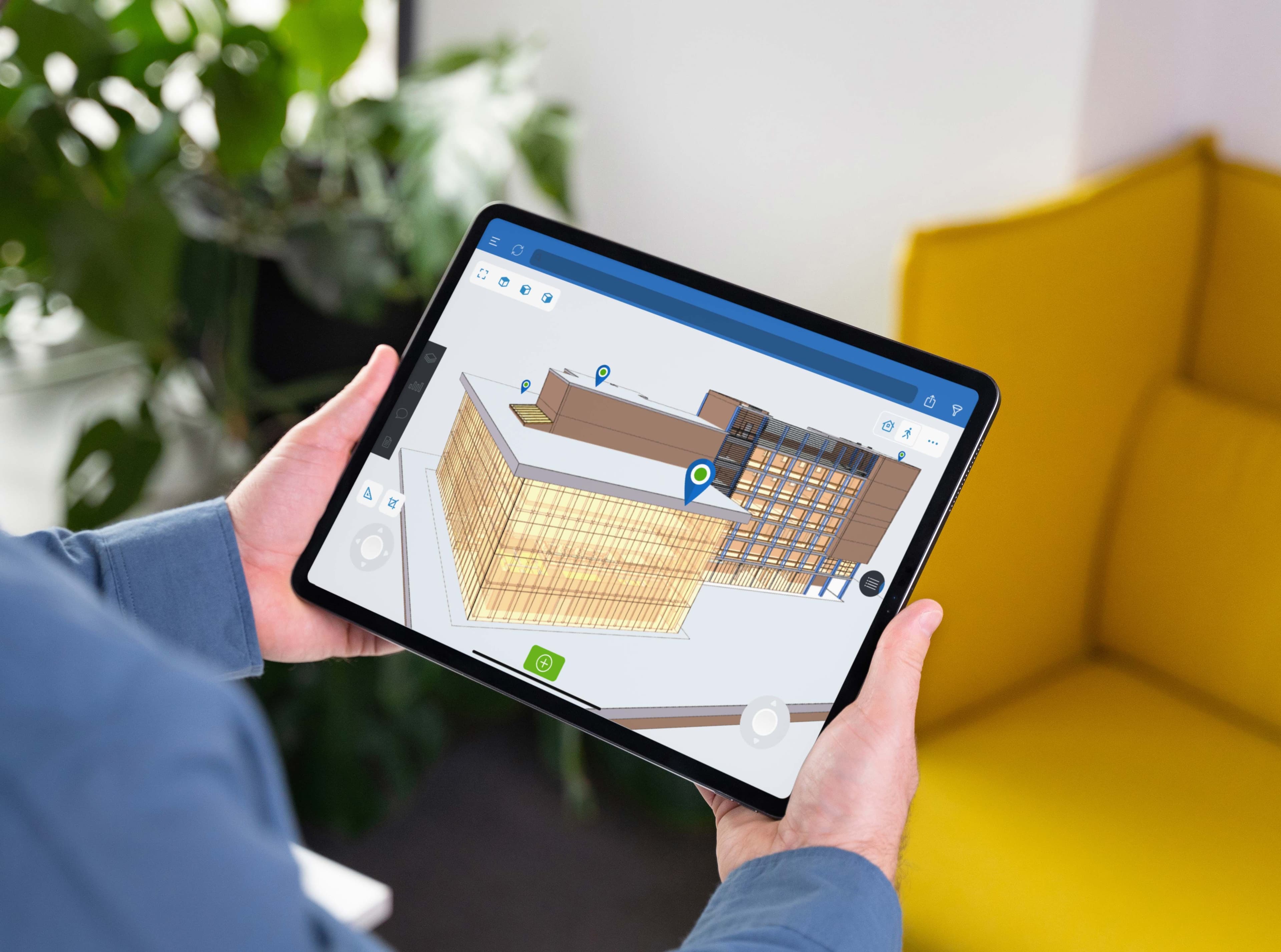
Digital skills for construction professionals including BIM, AI and digital project management

3. Working confidently with digital drawings and BIM

Construction professionals do not need to be BIM specialists, but they should be able to navigate digital drawings, understand revisions and connect site issues to the correct location. This is becoming increasingly important in the UAE as Dubai continues to digitise building processes.

Through its BIM platform, Dubai Municipality allows consultants to upload IFC models and automatically check them against Dubai BIM Standards and selected building regulations.

As these processes become more sophisticated, these skills will become more important on site. Professionals who can confidently use digital models will be better placed to connect design information with actual site conditions.

4. Capturing useful visual evidence

Visual documentation is becoming a more important part of how construction teams track progress, and communicate site conditions. Professionals need to know what should be captured, when it should be recorded and how images can support later decisions.

A UAE case study at Expo City Dubai saw a contractor use 360-degree reality capture across 28 buildings, creating around 180 captures of the project. The visual record helped teams monitor progress, identify issues and improve reporting.

Used effectively, visual evidence gives teams a clearer record of site conditions and makes progress easier to review without relying solely on repeated physical inspections.

Digital skills for construction professionals including BIM, AI and digital project management

5. Building practical data literacy

Construction teams generate large amounts of information daily. The skill is knowing how to read that information and identify what actually needs attention.

Professionals should be able to spot recurring quality issues, overdue actions, approval delays and differences in performance across teams or locations. They also need to understand when a number is useful and when it needs more context.

This does not mean every project manager needs to become a data specialist. It means being able to ask the right questions, check the information behind a result and use project data to support better decisions.

6. Using AI with professional judgement

A 2025 RICS survey of more than 2,200 construction professionals found that 46% identified a lack of skilled personnel as one of the main barriers to AI adoption. As AI becomes more common in construction, professionals will therefore need more than basic awareness of the technology.

They should understand where AI can support routine work, how to question its output and when professional verification is required. AI can organise information, identify patterns and summarise records, but decisions involving safety, contracts or technical responsibility still require human judgement.

Digital skills are becoming part of everyday construction, but the pace of technological change means professionals cannot be expected to master every new tool. What the industry needs instead are curious, adaptable people who are willing to keep learning, question how technology is used and apply it in ways that improve project delivery