Property News International

Subscribe to Our Newsletter

Sign up to receive the latest tech news and updates from Property News International straight to your inbox.

By signing up, you will receive emails about property news products and you agree to our terms of use and privacy policy.

@2026 Property News International. All Rights Reserved.

Blends Media
A Blends Media Group Production

10 European Art and Design Events Every Designer Should Know

Staff Writer
Staff Writer
Sep. 20, 2026

Europe remains one of the world’s most influential destinations for art, architecture and design, bringing together established names, emerging talent, leading brands and creative thinkers throughout the year. From major international fairs and design weeks to more specialised showcases, these events offer a window into the ideas, materials and movements shaping the creative industries.

For designers, architects and anyone working across the built environment, they are also important platforms for discovering new work, building connections and staying close to the conversations influencing the future of design. Property News International highlights 10 European art and design events worth knowing.

1. La Biennale di Venezia (Venice, Italy)

19th Venice Architecture Biennale, 2025, installation view. 19th Venice Architecture Biennale, 2025, installation view (Photo: Andrea Avezzù. Courtesy La Biennale di Venezia)

Few cultural events carry the international influence of La Biennale di Venezia. Founded in 1895, the Venice Biennale has evolved into one of the world’s most important platforms for contemporary art and architecture, bringing together leading practitioners, emerging voices and national representations from across the globe.

Its celebrated Art and Architecture exhibitions alternate biennially, transforming Venice into an international showcase of ideas, experimentation and cultural exchange. Across the historic Giardini, the vast former shipyards of the Arsenale and venues throughout the city, national pavilions and curated exhibitions explore some of the most pressing themes shaping contemporary creative practice.

For designers and architects, the Biennale is particularly significant because it moves beyond finished objects and buildings. Installations, temporary structures and experimental environments allow participants to investigate new materials, technologies, sustainability, social change and different ways of thinking about space.

The 61st International Art Exhibition, In Minor Keys, runs from 9 May to 22 November 2026. The next Venice Architecture Biennale will follow in 2027, continuing the event’s role as an influential meeting point for architecture, design and ideas.

2. Milan Design Week / Salone del Mobile and Fuorisalone (Milan, Italy)

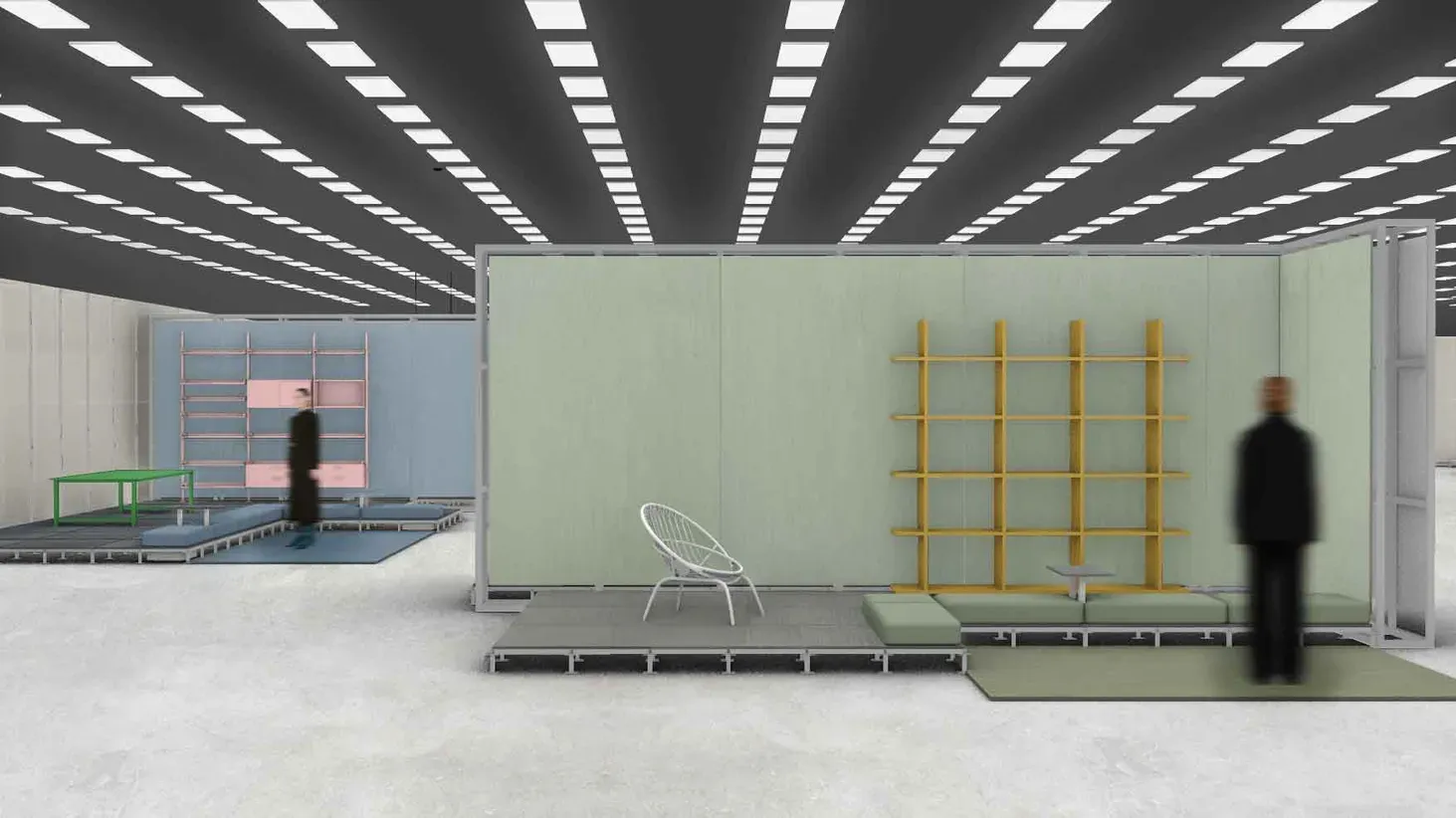
Salone Raritas previewed in a render by FormafantasmaSalone Raritas previewed in a render by Formafantasma (Image credit: Courtesy Formafantasma and Salone del Mobile)

Every April, Milan becomes the centre of the global design world. Milan Design Week combines Salone del Mobile.Milano, the internationally renowned furniture and interiors fair held at Rho Fiera Milano, with Fuorisalone, a city-wide programme of exhibitions, installations, launches and events staged across Milan’s design districts.

Salone del Mobile remains one of the most important commercial and creative platforms for furniture, lighting and interior design, bringing together major international brands, emerging designers and new collections. Fuorisalone extends the experience beyond the exhibition halls, transforming neighbourhoods such as Brera, Tortona and 5Vie through temporary installations, exhibitions and experimental spaces.

For architects and designers, the appeal lies in the scale and variety of ideas presented in a single week. Furniture, materials, technology, fashion, art and architecture increasingly overlap, with historic palazzos, courtyards and industrial buildings becoming temporary settings for highly conceptual design projects.

The 2026 Fuorisalone took place from 20–26 April, while the 64th edition of Salone del Mobile ran from 21–26 April 2026. Fuorisalone alone featured more than 1,300 events across the city and attracted over 500,000 visitors, underlining Milan’s continuing position as one of the most influential meeting points on the international design calendar.

3. Dutch Design Week (Eindhoven, Netherlands)

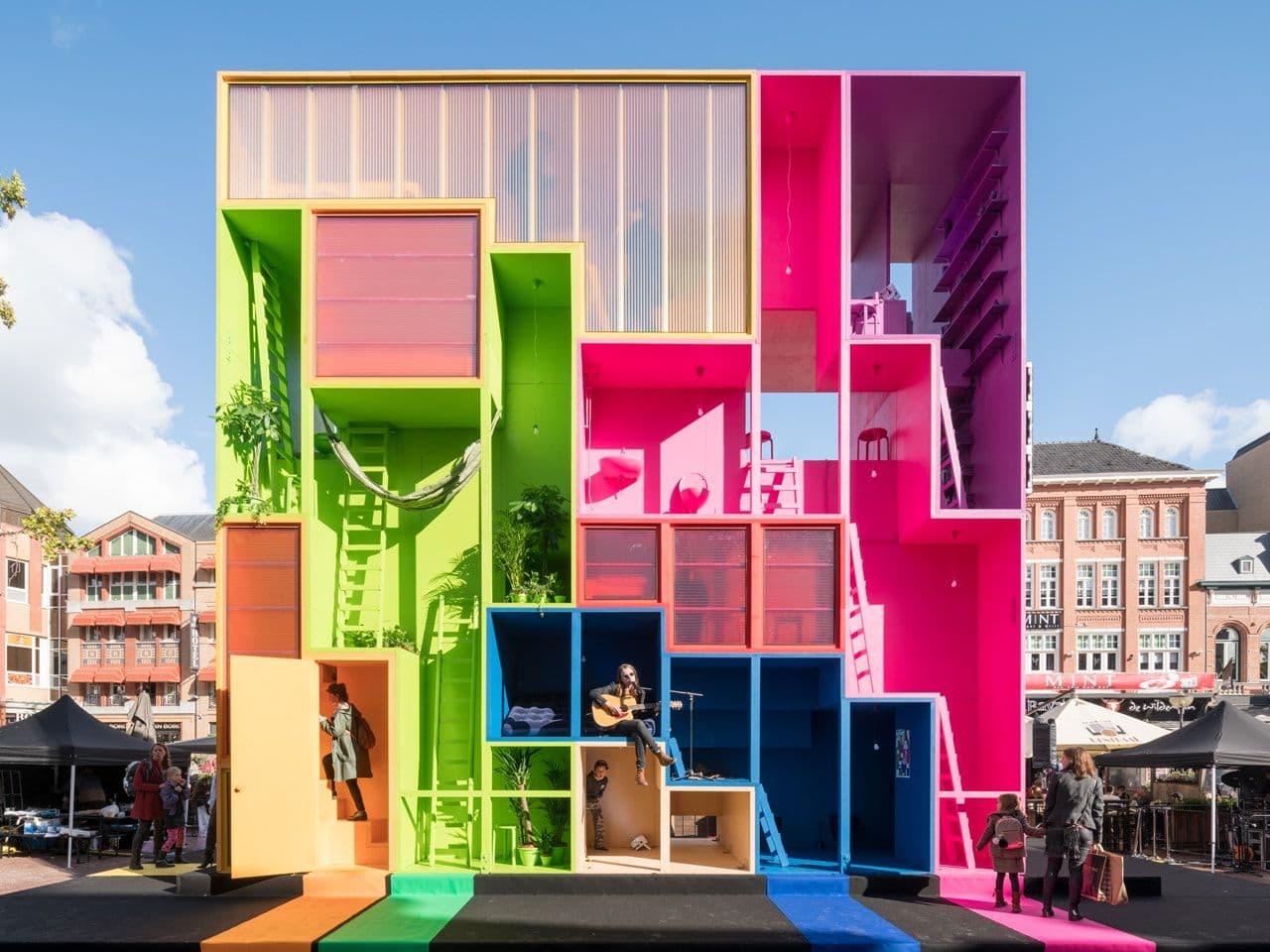
Dutch Design Week

Dutch Design Week (DDW) is one of Europe’s most forward-looking design events, placing experimentation, innovation and emerging talent at the centre of its programme. Each October, Eindhoven becomes a city-wide platform for design, with exhibitions, installations, talks and presentations taking place across studios, cultural institutions, former industrial buildings and public spaces.

Unlike more commercially focused design fairs, DDW places particular emphasis on the ideas and processes behind design. Its programme spans everything from product and furniture design to materials, digital technology, sustainability and the future of the built environment, offering visitors an early look at concepts that could influence how we live and work in the years ahead.

The scale is significant: the event presents work and ideas from around 2,500 designers across roughly 100 locations in Eindhoven, attracting hundreds of thousands of visitors. For architects and designers, it is especially valuable as a place to discover emerging practices and explore how design is responding to social, environmental and technological change.

Dutch Design Week 2026 takes place from 17–25 October under the theme R.A.W. (Rebel Authentic Worth), with a focus on the experimental, exploratory and sometimes deliberately unfinished nature of the design process.

4. 3daysofdesign (Copenhagen, Denmark)

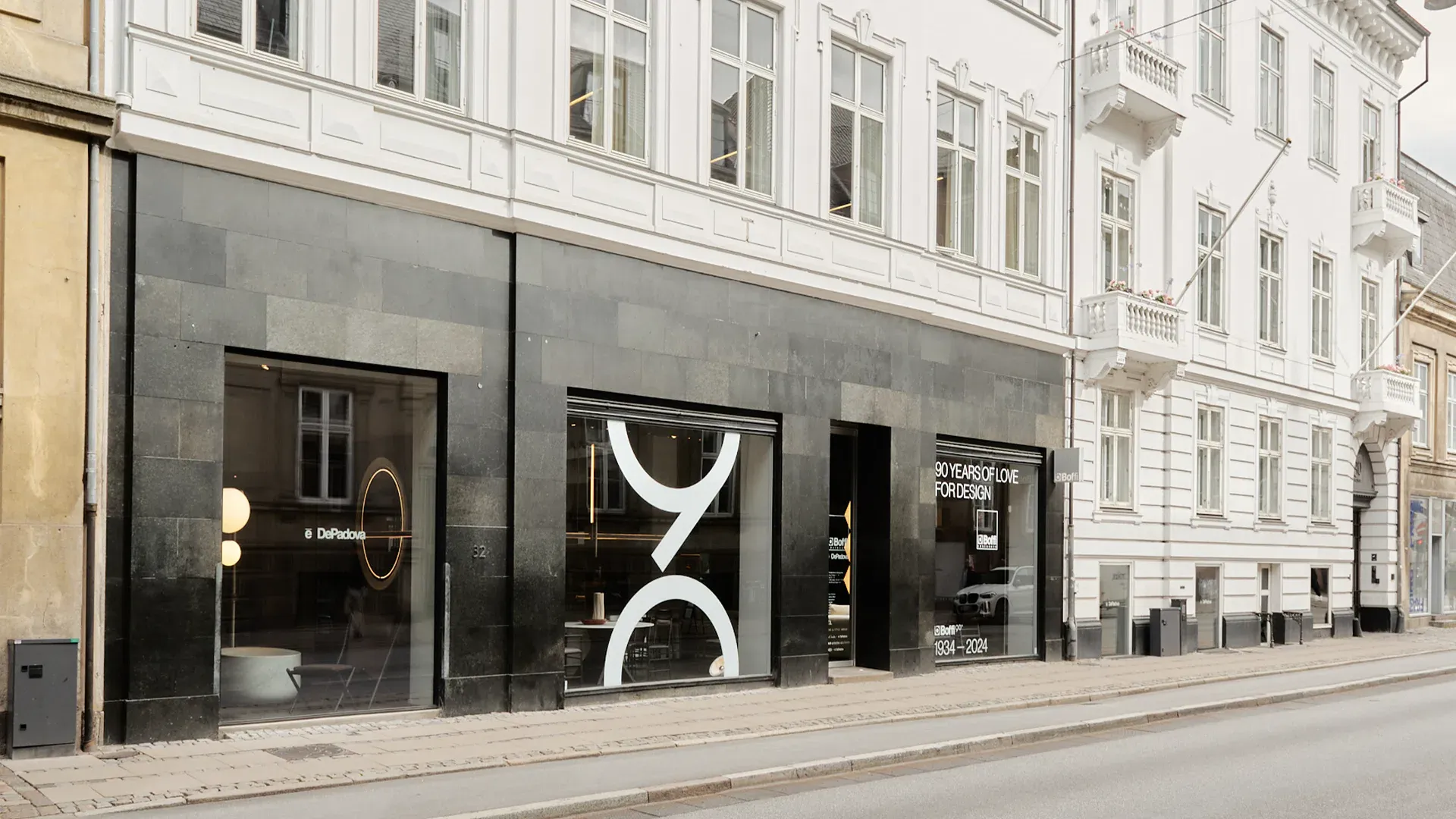
3daysofdesign (Copenhagen, Denmark)

3daysofdesign has grown into one of Northern Europe’s most influential design festivals, turning Copenhagen into a city-wide showcase of contemporary furniture, interiors, lighting, materials and creative thinking. Founded in 2013, the event has expanded from just four participating brands to hundreds of exhibitors from Denmark and around the world.

Rather than being confined to a single exhibition centre, the festival unfolds across showrooms, galleries, studios, historic buildings and public spaces throughout Copenhagen. This more intimate format allows visitors to experience new collections and installations within the architectural and cultural context of the city itself.

For designers and architects, 3daysofdesign is particularly valuable for its mix of established Scandinavian brands, emerging talent and international names. Product launches sit alongside talks, workshops and experimental presentations, with strong attention given to craftsmanship, materials, sustainability and the evolving relationship between design and everyday life.

The 2026 edition took place from 10–12 June across eight design districts under the theme “Make This Moment Matter.” The festival continues to grow rapidly; in 2025, more than 460 brands participated and over 60,000 visitors attended more than 600 events across Copenhagen.

5. Documenta (Kassel, Germany)

documenta (Kassel, GermanyMarta Minujín, The Parthenon of Books, 2017 (Photography: Roman März)

Held every five years in Kassel, Documenta is one of the most influential exhibitions in contemporary art. Since its first edition in 1955, it has developed from a German art exhibition into an international platform for artistic experimentation, cultural debate and new approaches to exhibition-making.

Rather than operating as a conventional art fair, Documenta unfolds across museums, public spaces and temporary venues throughout Kassel, often incorporating large-scale installations, performance, architecture and socially engaged work. For designers and architects, its importance lies in the way it challenges established ideas around space, public experience and the relationship between art and society.

Each edition is shaped by a different artistic director, giving Documenta a distinct identity every five years. The upcoming Documenta 16, directed by Naomi Beckwith, will take place from 12 June to 19 September 2027 and will bring together exhibitions, performances, music, collective learning and interdisciplinary artistic practices across the city.

For anyone working in design or the wider creative industries, Documenta offers something increasingly rare: an opportunity to engage with ideas that extend well beyond aesthetics and explore how art, culture and the built environment respond to wider social and global change.

6. London Design Festival (London, UK)

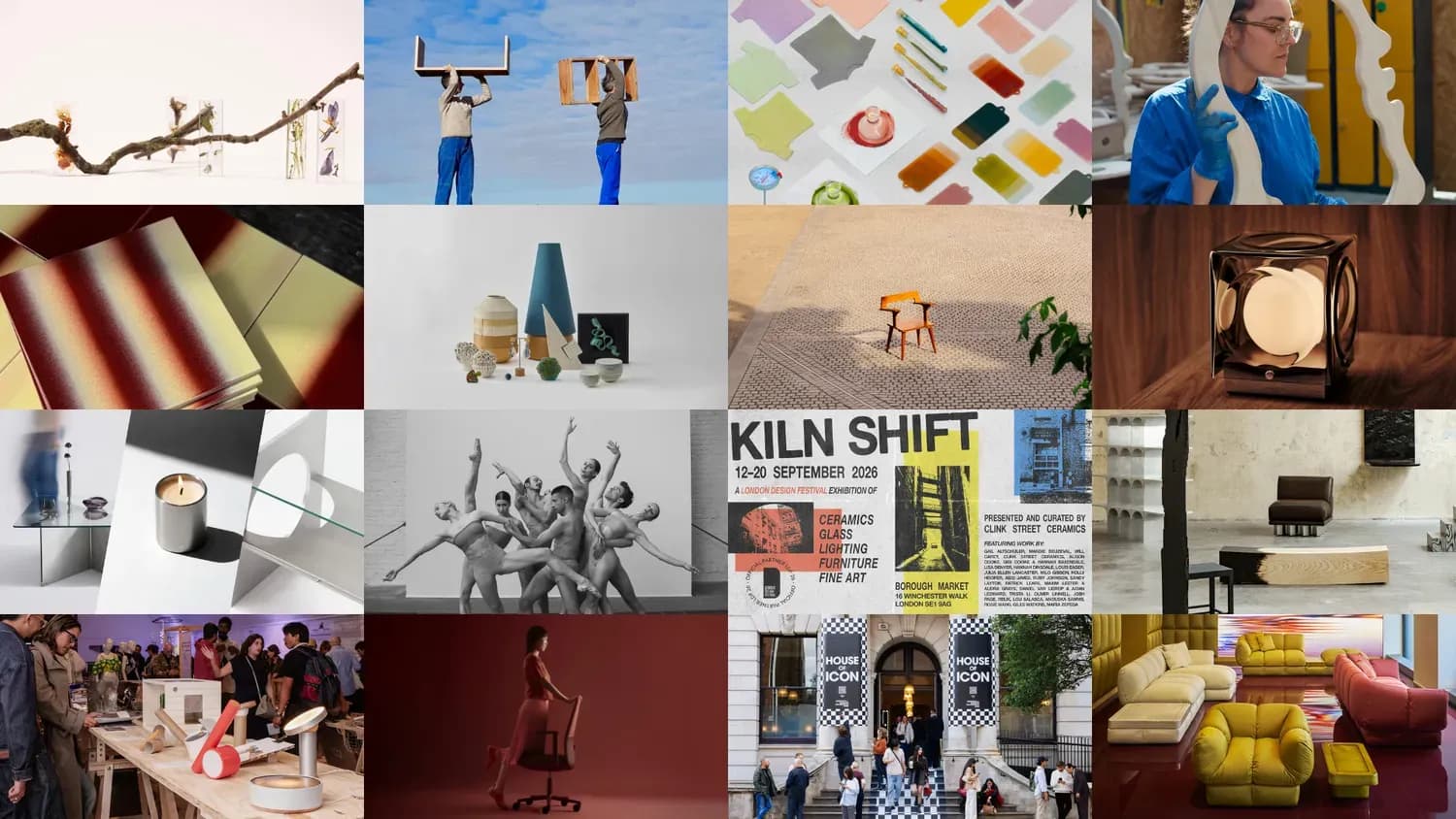
London Design Festival (Image source: London Design Festival)

London Design Festival is one of Europe’s major annual celebrations of design, bringing together architecture, interiors, product design, materials, craft and technology across the British capital. Rather than taking place in a single venue, the festival unfolds throughout London through exhibitions, installations, talks, workshops and showroom presentations.

A defining feature of the festival is its network of Design Districts, including areas such as Brompton, Mayfair, Bankside, Chelsea and Shoreditch, where galleries, studios, brands and cultural institutions create concentrated programmes of events. The result is a city-wide experience that allows visitors to move between established design names, independent practices and emerging creative talent.

For architects and designers, London Design Festival offers a broad view of the ideas currently shaping the industry, from new materials and craftsmanship to sustainability, technology and changing approaches to the built environment. Its combination of commercial launches and more experimental installations makes it particularly useful for both inspiration and industry networking.

The 2026 edition runs from 12–20 September, with events taking place across London’s principal design districts and cultural venues.

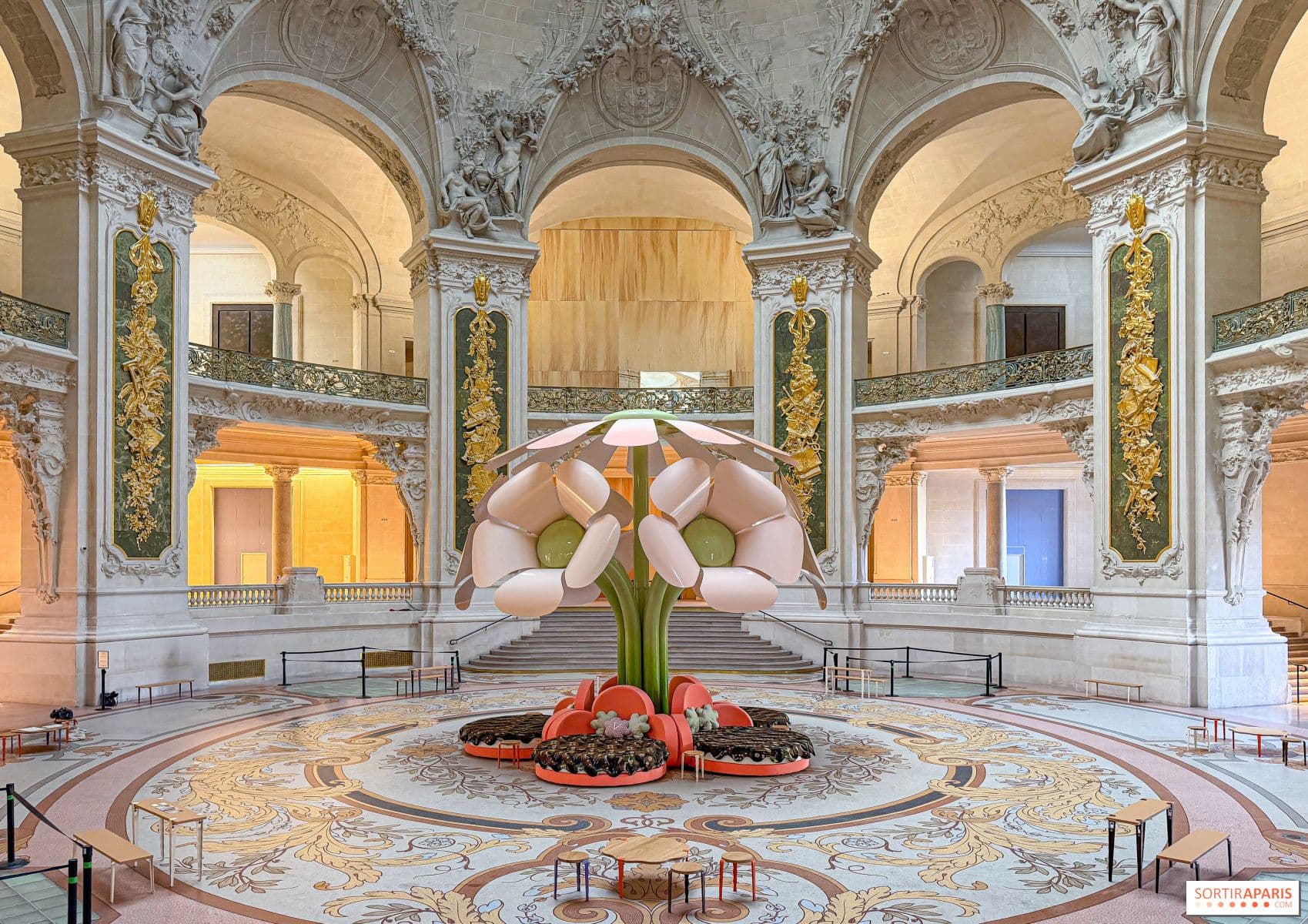
7. Paris Design Week (Paris, France)

Paris Design WeekUchronia at Grand Palais – LE GRAND BOUQUET © Paris Design Week

Paris Design Week transforms the French capital into a city-wide celebration of contemporary design, bringing together established brands, independent studios, emerging designers and cultural institutions. Held each September alongside Maison&Objet, the event extends far beyond the traditional trade-fair format, with exhibitions, installations, product launches and talks taking place throughout Paris.

The programme is spread across four major design districts, including Rive Gauche, Marais–Bastille–République, Opéra–Concorde–Étoile and Palais-Royal–Place des Victoires–Pigalle. Showrooms, galleries, workshops, museums, hotels and unexpected venues become part of the experience, giving visitors a broad view of French and international design culture.

For architects and designers, Paris Design Week is particularly valuable for its mix of collectible design, interiors, craftsmanship, materials and experimental work. The dedicated Paris Design Week Factory also places a strong spotlight on emerging talent, making the event an important place to discover new names and ideas.

The 2026 edition runs from 10–19 September, with around 500 participants across 320 venues throughout Paris. It coincides with Maison&Objet from 10–14 September, creating one of the busiest and most influential periods on the European design calendar.

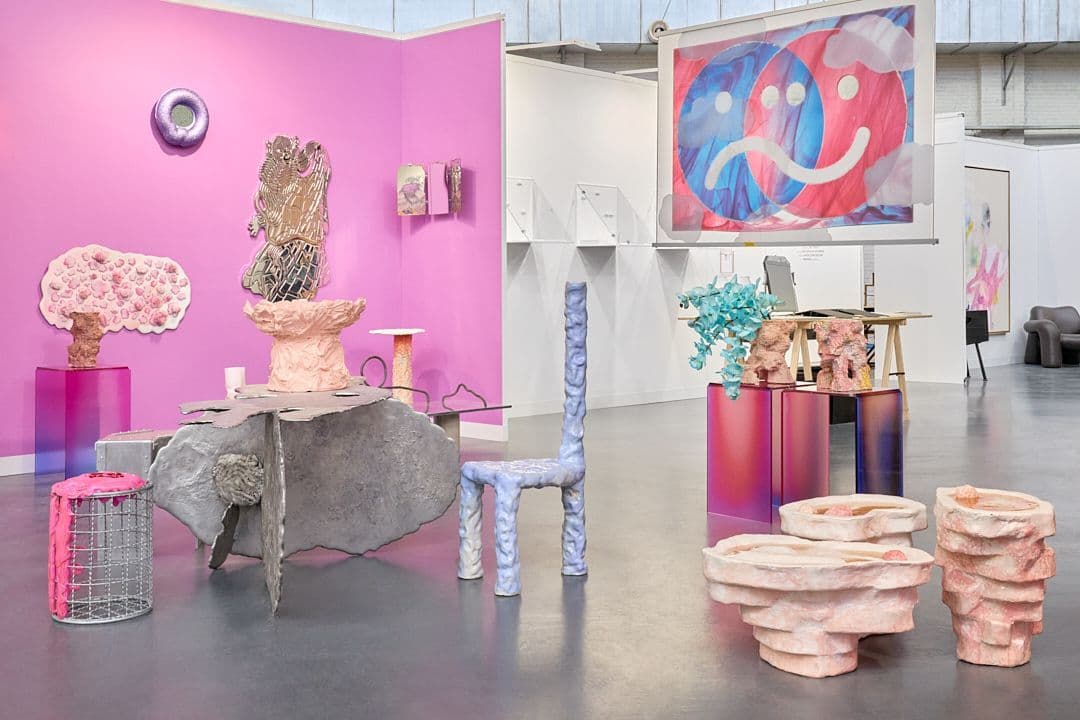
8. Collectible (Brussels, Belgium)

Tableau at Collectible 2023Tableau at Collectible 2023 (Image credit: Trend Nomad)

COLLECTIBLE has established itself as one of Europe’s leading fairs dedicated exclusively to contemporary collectible design. Founded in Brussels by Clélie Debehault and Liv Vaisberg, the event brings together galleries, independent studios, designers, architects and collectors with a particular focus on original, limited-edition and experimental work.

Unlike a conventional furniture fair, COLLECTIBLE places strong emphasis on curatorial direction and new creative practices. Its different sections span established galleries, emerging designers, bespoke work and experimental presentations, creating a platform where functional objects often sit somewhere between design, craftsmanship and art.

For architects and interior designers, the fair is especially relevant for discovering new materials, independent makers and highly individual pieces that can bring character to residential, hospitality and cultural projects. Scenography also plays an important role, with the fair regularly commissioning designers and architecture studios to rethink how the work itself is experienced.

The 2026 Brussels edition took place from 12–15 March at the Vanderborght Building, bringing together more than 100 exhibitors and thousands of visitors. The next Brussels edition will mark COLLECTIBLE’s 10th anniversary and run from 11–14 March 2027.

9. Concéntrico (Logroño, Spain)

"Dark Sky" in Paseo del Espolón / Matali Crasset. Image © Josema Cutillas"Dark Sky" in Paseo del Espolón / Matali Crasset. Image © Josema Cutillas

Concéntrico is an international festival of architecture and design that transforms the Spanish city of Logroño into a live laboratory for new ideas about public space. Since 2015, it has invited architects, designers, artists and researchers from around the world to create temporary interventions across streets, squares, riverbanks, gardens and overlooked urban sites.

What makes the festival especially interesting is the way it uses the city itself as the exhibition space. Rather than presenting work inside a conventional fair or gallery, projects are placed directly within Logroño’s urban fabric, allowing visitors to experience how design can change movement, interaction and the way shared spaces are understood.

For architects and designers, Concéntrico offers a particularly experimental look at temporary architecture, urbanism and public life. Recent editions have explored themes including environmental change, identity, memory and collective living, often using full-scale installations to test ideas about how cities might evolve.

The 12th edition of Concéntrico took place from 18–23 June 2026, with participating practices including Smiljan Radić, raumlabor, Matilde Cassani and Sahra Hersi. The programme was structured around three curatorial themes: Identity and Fiction, Urban Ecologies and Ephemeral Agents.

10. London Festival of Architecture (London, UK)

London Festival of ArchitectureFlags made from recycled waste were hung from reused scaffolding. © Aaron Hargreaves

The London Festival of Architecture is one of the world’s largest annual celebrations of architecture and the built environment, bringing together architects, designers, institutions, developers, local communities and the public through a city-wide programme of events each June.

Rather than focusing solely on completed buildings, the festival explores the wider role architecture plays in shaping everyday life. Its programme includes exhibitions, installations, talks, walking tours, workshops and temporary interventions across London, often using the city itself as a platform for discussion and experimentation.

For architects and designers, the festival is particularly valuable because it connects professional practice with broader conversations around public space, housing, sustainability, heritage and the future of cities. It also provides a strong platform for emerging practices and younger designers to present ideas alongside established studios and institutions.

Each edition is built around a central theme, encouraging participants to respond to contemporary issues through architecture and urban design. With events spread across multiple neighbourhoods and venues, the London Festival of Architecture offers an accessible and wide-ranging view of how design can influence the way cities evolve.

Beyond these ten events, Europe’s design calendar is filled with many other important fairs, festivals and exhibitions throughout the year. From architecture biennales and furniture fairs to art weeks, material showcases and emerging-design platforms, cities across the continent continue to offer opportunities for designers to discover new ideas, connect with international talent and engage with the wider creative community. Together, they reinforce Europe’s position as one of the world’s most active and influential regions for architecture, art and design.