Office sector maintains strong momentum
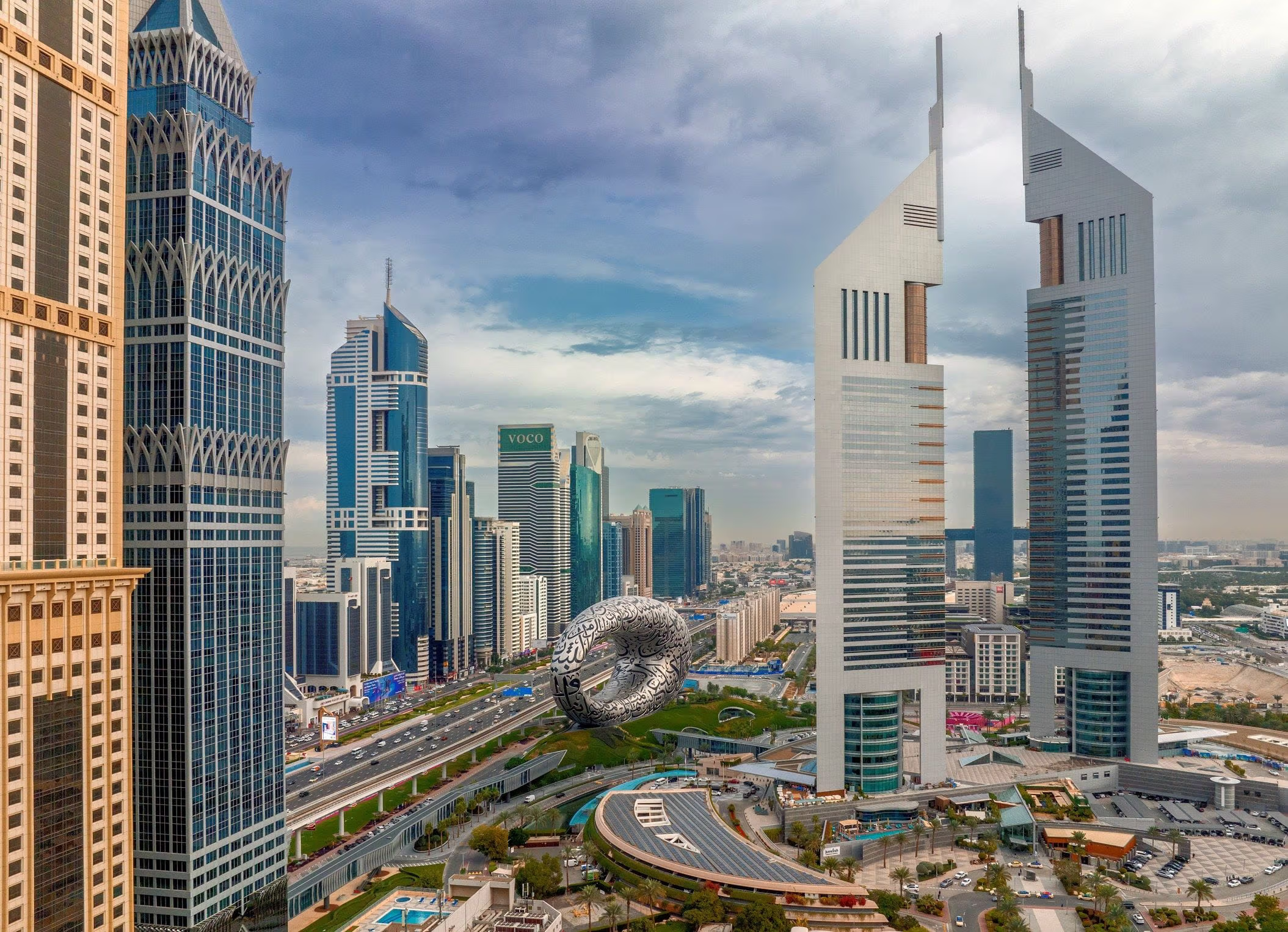
The UAE office market continued to experience sustained rental growth during Q1 2026, driven by limited availability of high-quality space and ongoing occupier demand across key business districts.
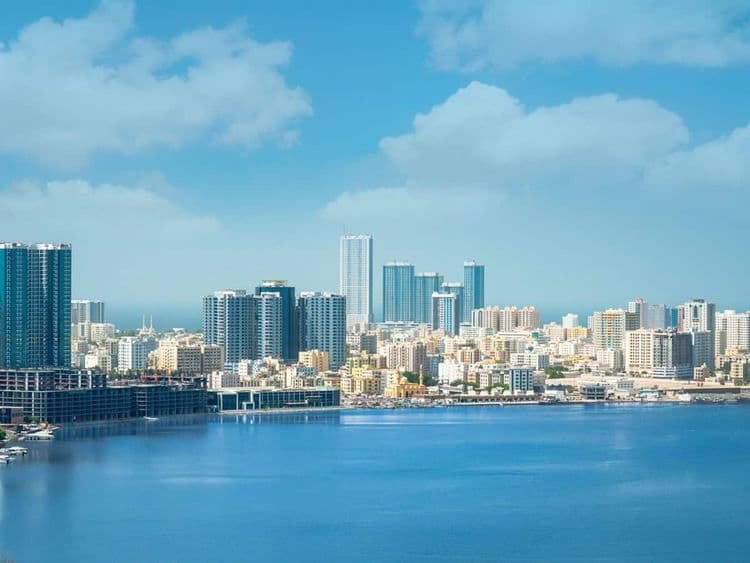
In Abu Dhabi, prime office rents increased 11.7 percent year-on-year, while Grade A and Grade B office spaces recorded growth of 5.1 percent and 4.2 percent respectively.
Dubai’s office market saw even stronger rental acceleration across secondary assets, as constrained prime availability pushed occupiers toward alternative space options. Grade B office rents recorded annual growth of 23.4 percent, followed by Grade A at 19 percent and Prime office space at 17.2 percent.
Office inventory in Dubai reached 101.1 million square feet during the quarter, while Abu Dhabi’s total office stock expanded to 4.18 million square metres.
Vacancy levels remained exceptionally low across both markets. Abu Dhabi citywide office vacancy stood at 1.4 percent, with prime office vacancy falling to just 0.1 percent. In Dubai, overall vacancy increased slightly to 7.3 percent following new project deliveries, while prime vacancy edged up marginally to 0.7 percent.
The report also noted a moderation in leasing activity during the quarter as occupiers adopted a more cautious approach toward new commitments.
Office rental contract registrations declined 6 percent year-on-year in Abu Dhabi and 7.7 percent in Dubai. Monthly new contracts also softened, with Abu Dhabi recording a 19.7 percent decline and Dubai posting a 20.6 percent drop in March compared to February 2026.
Despite softer new leasing activity, Dubai demonstrated resilience through stronger renewal activity, with office lease renewals increasing 11.2 percent year-on-year, reflecting continued occupier confidence in the market.
JLL noted that while global supply chain pressures continue to impact development timelines and construction activity, developers are increasingly responding through phased procurement strategies, strategic sourcing arrangements, and contractor negotiations to manage cost and delivery challenges.
The consultancy expects transaction momentum to strengthen further in the coming quarters as supply constraints continue to support prime rental growth.
Retail market shows selective resilience
Dubai’s retail market also maintained positive momentum during Q1 2026, with existing retail inventory reaching 56 million square feet and citywide vacancy tightening to 4.8 percent amid sustained occupier demand.
Abu Dhabi’s retail vacancy remained stable at 8.9 percent.
The report highlighted the role of government support measures and landlord flexibility in maintaining market stability, including the recently announced $272 million (AED1 billion) stimulus package, alongside more adaptive lease structures such as turnover-rent models and temporary rent relief arrangements.
Retail rents remained resilient across both emirates.
Dubai’s super-regional malls recorded annual rental growth of 12.4 percent, while prime super-regional retail assets posted more moderate growth of 1.7 percent.
In Abu Dhabi, prime super-regional malls maintained premium positioning, with rents reaching $1,504 per square metre (AED5,524 per sqm), supported by selective tenant demand.
Leasing activity in Dubai softened during the quarter, with new retail rental contracts declining 9.9 percent year-on-year. Abu Dhabi, however, recorded stronger leasing performance, with total registrations increasing 3.6 percent annually and new contracts rising 16.7 percent.
The report added that negotiations are increasingly shifting toward more flexible occupancy-cost-ratio (OCR) and turnover-rent (TOR) leasing structures as retailers and landlords adapt to changing consumer behaviour and market conditions.
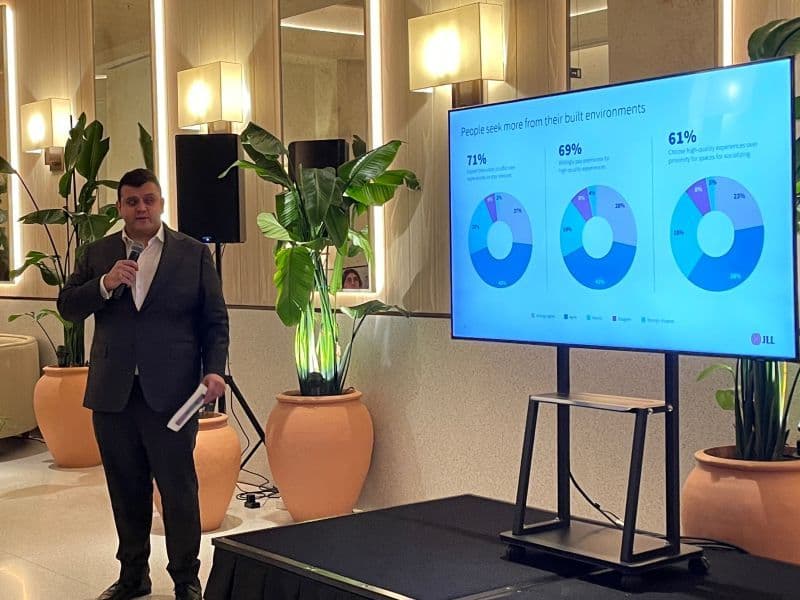
JLL also noted that retailers are increasingly focusing on experiential offerings, wellness-driven concepts, pop-up destinations, and community-focused retail formats to strengthen domestic demand capture.
While tourism-dependent retail categories may face near-term challenges if international visitor activity moderates, community centres, home-grown retail brands, and wellness-led concepts are expected to remain among the strongest-performing segments across the UAE market.