Regional fundamentals support sustained growth
Across the wider MEA region, low vacancy levels and strong absorption rates continue to ease supply constraints while supporting rental and capital value growth. Major infrastructure delivery is expected to further stimulate development activity and attract increased private-sector participation.
Capital flows are also evolving, with cross-border investment and alternative financing structures playing a growing role, particularly in greenfield developments where investment stock remains limited. Regulatory reforms and improved transparency across regional markets are expected to further strengthen investor confidence.
Insights from JLL’s MEA Occupier Survey 2026 highlight a strong office-centric culture across regional markets, with in-person collaboration continuing to dominate workplace strategies. A majority of occupiers expect to expand their office footprint, particularly in the UAE, Saudi Arabia and Qatar, with investment increasingly focused on quality, efficiency and employee experience rather than scale.
In the UAE, strong alignment between government-led economic initiatives, favourable growth fundamentals and high occupier confidence is driving continued flight-to-quality demand. This is creating attractive opportunities for premium office investment.
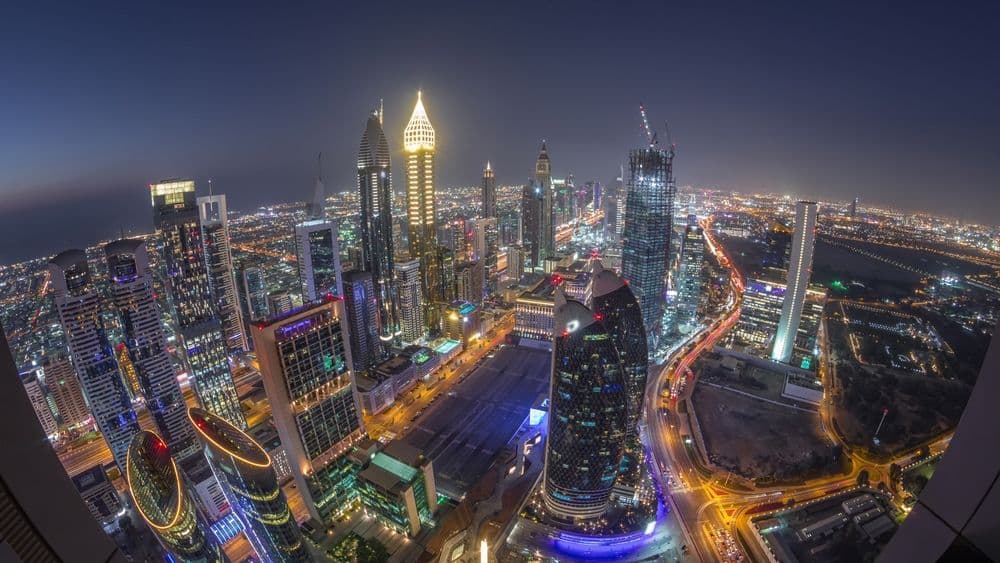
Abu Dhabi’s office supply is forecast to increase by just 7.9 percent by 2028, with vacancy rates remaining extremely tight at 0.1 percent for Prime space and 1.0 percent for Grade A stock. Dubai’s pipeline is similarly constrained, with supply rising by only 3.5 percent, largely pre-leased, resulting in Prime and Grade A vacancy rates of 0.2 percent and 3.4 percent respectively. City-wide vacancy of 7.1 percent is concentrated mainly in Grade B and C buildings, highlighting opportunities for landlords to reposition assets toward centrally located, sustainable Grade A developments with human-centric amenities.
Industrial, logistics and infrastructure catalysts
Industrial and logistics assets continue to attract institutional capital, supported by near-full occupancy, strong rental growth and expanding demand corridors across the UAE. Infrastructure catalysts, including the expansion of Al Maktoum International Airport, are contributing to the formation of new economic hubs.
In Abu Dhabi, Khalifa Economic Zones Abu Dhabi (KEZAD) is leveraging its operational maturity to expand into new development clusters, strengthening integrated industrial ecosystems and supporting stable rental growth.
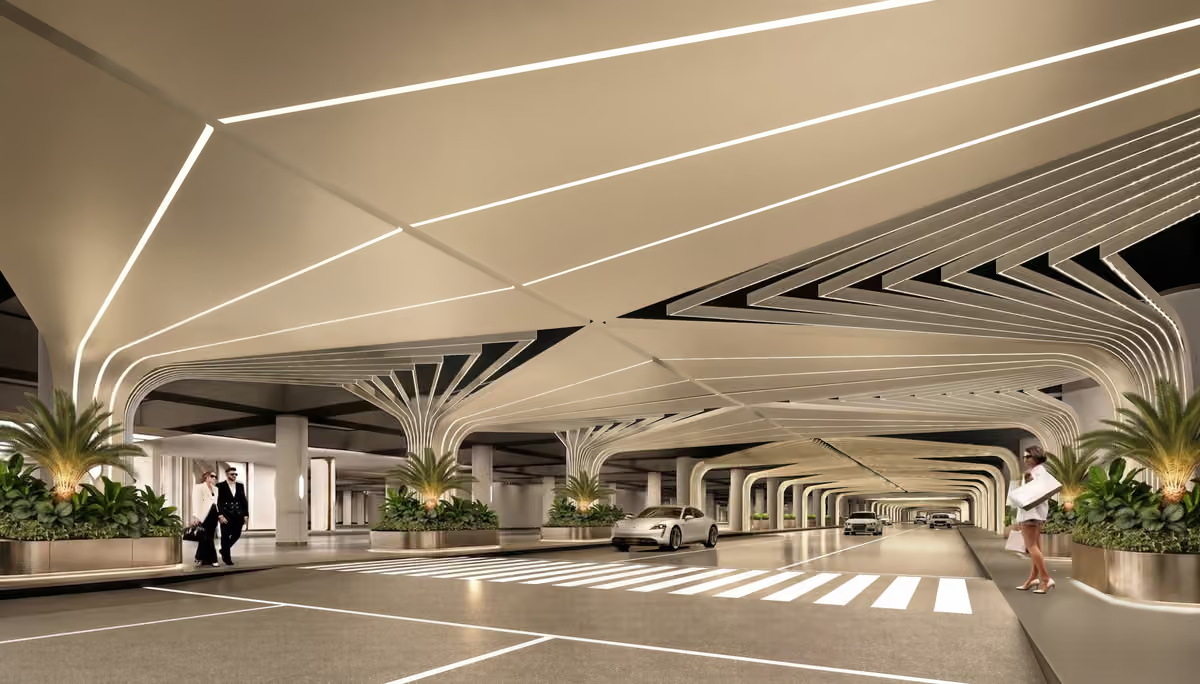
Dubai’s planned Metro Blue Line, with an estimated investment of $5 billion, is emerging as a long-term urban transformation catalyst rather than a standalone transport project. Transit-oriented development is increasingly viewed as a dual-value proposition, offering strong investment returns while enhancing urban livability, connectivity and social inclusion. Projects positioned ahead of the metro maturation curve are expected to deliver particularly attractive outcomes.
Dubai’s land market has undergone a marked transformation, with total transacted value rising 786 percent to $121.4 billion between 2019 and 2025. Growth has been driven by population inflows, a $10.6 billion infrastructure pipeline, and regulatory reforms that have unlocked global capital and enhanced liquidity.
Demand for mixed-use, commercial and raw land continues to rise, supported by sustained appreciation across residential and commercial rents and prices. During panel discussions at the event, industry leaders also highlighted that asset retrofitting and repurposing are set to accelerate as higher land prices, construction costs and shifting occupier preferences push owners to future-proof assets, enhance long-term viability and protect returns.