Property News International

Change region:

GlobalcheckMiddle East

Subscribe to Our Newsletter

Sign up to receive the latest tech news and updates from Property News International straight to your inbox.

By signing up, you will receive emails about property news products and you agree to our terms of use and privacy policy.

@2026 Property News International. All Rights Reserved.

Blends Media
A Blends Media Group Production

WFES 2026 to Highlight AI’s Expanding Role in Middle East Clean Energy

World Future Energy Summit 2026 will explore how AI can accelerate clean energy, smart infrastructure and climate resilience across the Middle East and beyond.
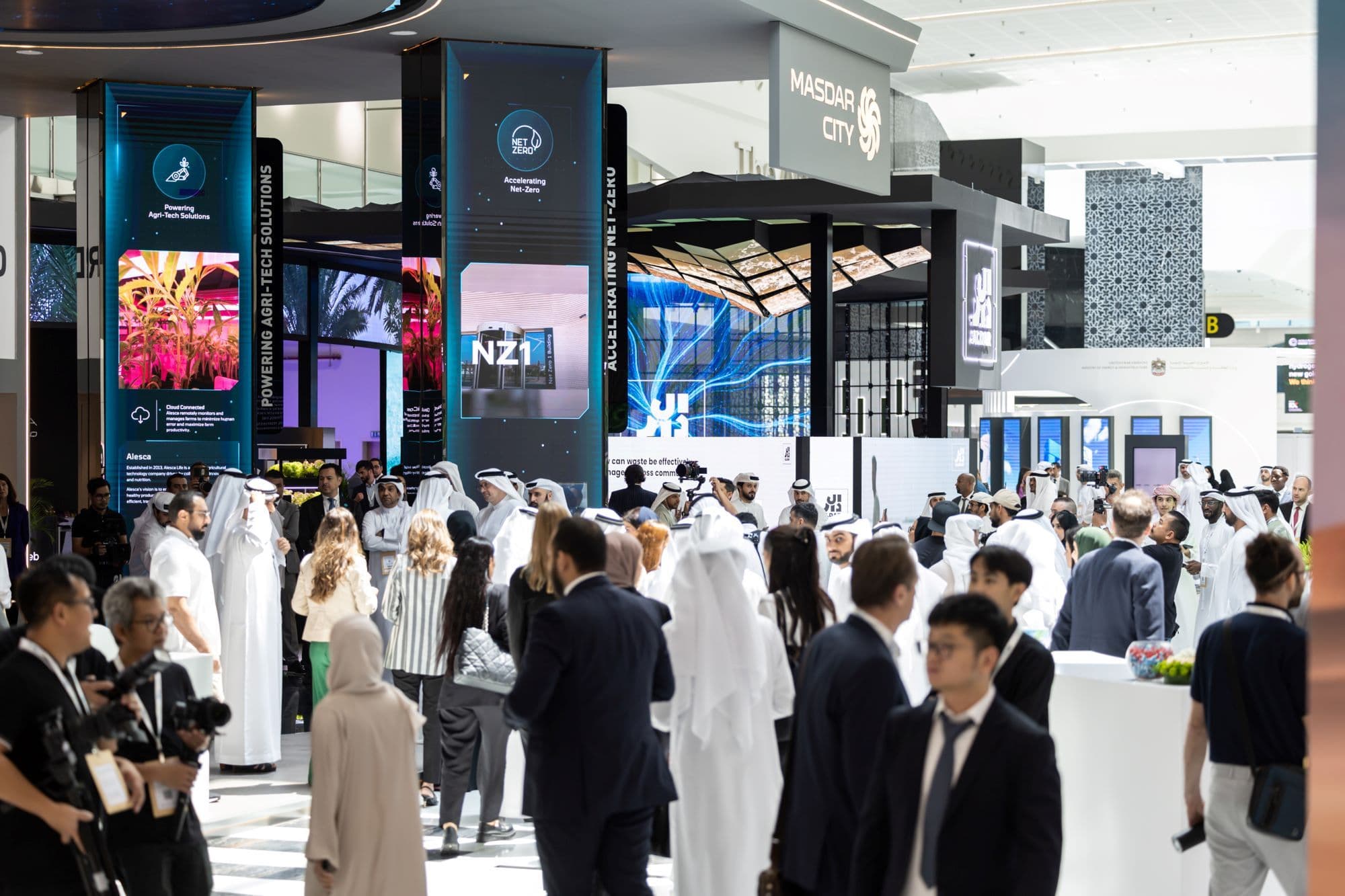
WFES 2026 will spotlight AI-powered solutions shaping the future of clean energy. Image: SuppliedWFES 2026 will spotlight AI-powered solutions shaping the future of clean energy. Image: Supplied

Abu Dhabi, UAE: As artificial intelligence continues to advance across global energy systems, the upcoming edition of the World Future Energy Summit 2026 will highlight its rising influence on clean energy production, transmission and digitally optimised distribution networks. Taking place from January 13–15 at the Abu Dhabi National Exhibition Centre, the event forms a central part of Abu Dhabi Sustainability Week 2026.

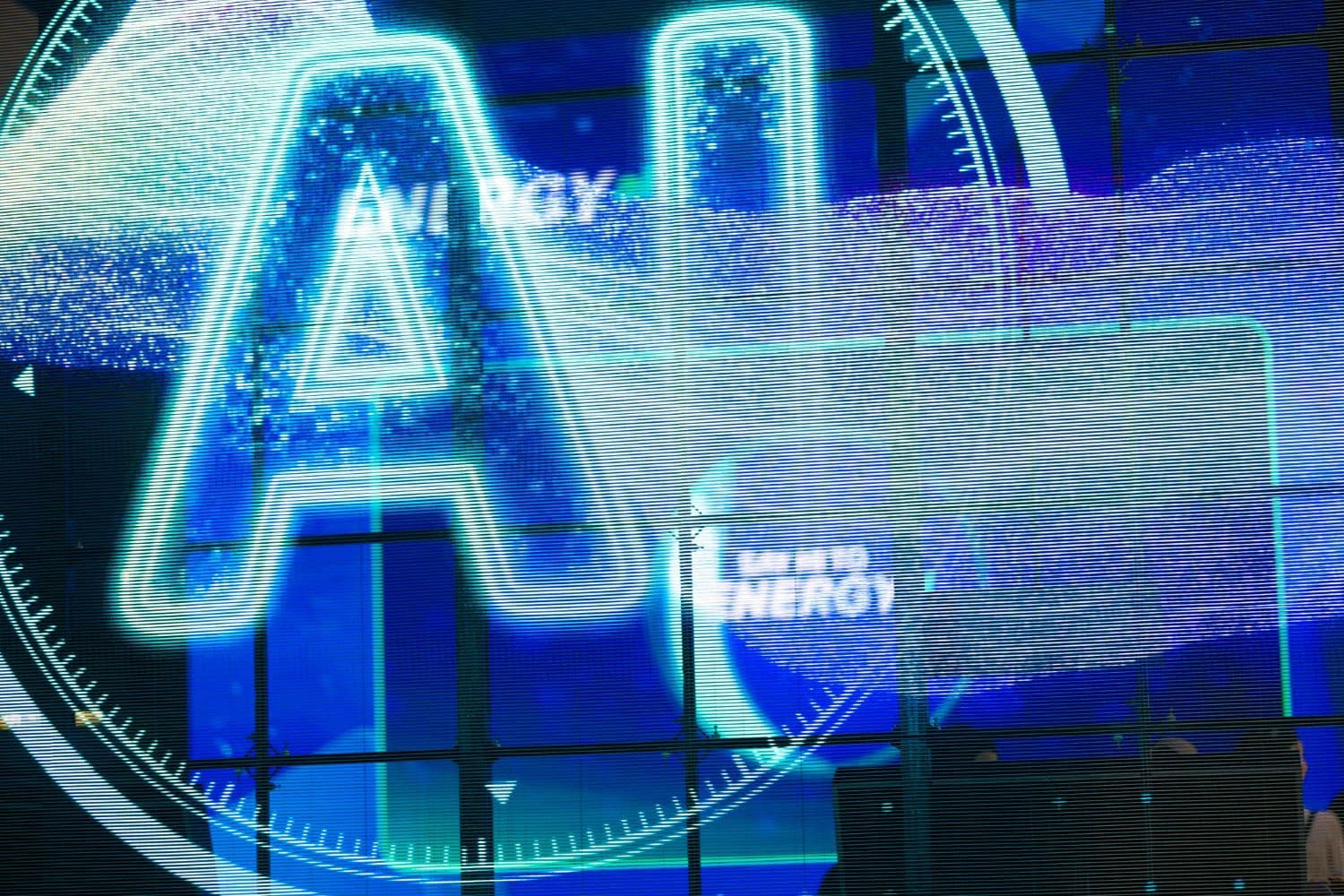
With AI positioned as a core theme across all seven conference tracks, this year’s Summit will introduce the FUSE AI Zone, a new feature where more than 40 companies will present innovations designed to accelerate clean energy, smart infrastructure and climate resilience. The programme also welcomes the inaugural Artificial Intelligence Conference, exploring how AI can be applied responsibly across energy, infrastructure and smart city development.

The three-day gathering will bring together global thought leaders, innovators and policymakers to examine AI’s predictive capabilities and its role in improving clean energy management across low-carbon systems.

Using AI to Accelerate Technical Breakthroughs

Across the Middle East and North Africa, AI adoption is gathering pace. From grid optimisation and demand-response models to system maintenance, energy storage and sector coupling, AI is increasingly shaping how renewable energy is delivered with greater efficiency and reliability. However, questions remain on how best to fully leverage these capabilities in support of long-term decarbonisation.

Key discussions will focus on whether AI can compensate for gaps in energy policy and accelerate innovation cycles, enabling researchers and industry leaders to validate transformational technologies at greater speed. Experts will also explore AI's potential role in advancing mineralisation for carbon capture.

The Summit reinforces the UAE’s broader ambitions under its Net Zero by 2050 Strategic Initiative, which outlines goals such as increasing clean energy to 50 per cent of the total mix by 2050, reducing carbon emissions by 70 per cent and tripling renewable energy capacity by 2030.

A 2025 AI and Technology Insights Report, produced by the World Future Energy Summit and Abu Dhabi Sustainability Week’s Advisory Committee, supports this approach. According to the report, smart grid algorithms can forecast and balance supply and demand in real time, integrate renewable energy more effectively and limit the need for additional power plants.

Investment in digital infrastructure and workforce skills remains essential for utilities to maximise the benefits of data-driven optimisation and predictive maintenance.

The new FUSE AI Zone will bring together global innovators in energy and smart infrastructure. Image: SuppliedThe new FUSE AI Zone will bring together global innovators in energy and smart infrastructure. Image: Supplied

Driving Energy Efficiency in Homes and Businesses

The Summit will also spotlight AI’s growing contribution to energy efficiency within buildings. According to the World Economic Forum, AI technologies are already enabling companies to reduce energy consumption by up to 60 per cent in some cases.

Panels and keynote discussions will explore how AI-powered tools can support the design of energy-efficient, water-efficient and people-efficient spaces without compromising budgets. Further sessions will examine how innovation, collaboration and resilient supply chains can support sustainable urban development across the MENA region.

Shyam Parmar, the Summit’s Event Director, commented: “By bringing together some of the brightest minds from across the global energy landscape, the World Future Energy Summit plays a pivotal role in unlocking the vast potential of artificial intelligence, not only to drive greater energy efficiency in homes and businesses, but to accelerate progress across the entire clean energy and sustainability ecosystem. “The new FUSE AI Zone and Artificial Intelligence Conference provide an unparalleled platform for knowledge exchange, collaboration, and lively debate on how AI can be deployed responsibly and effectively.”

Understanding AI’s Energy Consumption

While AI’s capabilities are expanding, credible forecasts suggest AI-related electricity consumption could grow by as much as 50 per cent annually from 2023 to 2030. The electricity demand of data centres is also projected to rise from one per cent of global demand in 2022 to more than three per cent by 2030.

In January 2025, Masdar and the Emirates Water and Electricity Company announced the world’s first large-scale, round-the-clock giga-scale renewable energy project, combining solar power and battery storage in Abu Dhabi. Delivering up to one gigawatt of baseload renewable energy, it will be the largest combined solar and battery storage installation globally.

The 2025 AI and Technology Insights Report notes that such initiatives could significantly reshape how AI systems are powered—reducing reliance on fossil fuels and enabling AI data centres to operate with near-zero carbon emissions.

A dedicated panel at the Summit will explore practical strategies to align AI growth with climate goals, balance energy demand and promote sustainable innovation.

Mehdi Ajana, Head of Strategy at Nabat, added: “AI’s role in climate and environmental systems is expanding rapidly and understanding how to guide that growth is becoming just as important as advancing the technology itself.”

WFES 2026 prepares to explore AI’s impact on grids, storage and climate resilience. Image: SuppliedWFES 2026 prepares to explore AI’s impact on grids, storage and climate resilience. Image: Supplied

Paving the Way Toward a Sustainable Future

The Summit will also explore AI’s influence across healthcare, food security and weather modelling. Key sessions will highlight an AI-powered forecasting system developed through collaboration between G42 and NVIDIA, designed to provide weather predictions down to a single square metre, a breakthrough for farmers and smart agriculture planners.

The 2025 AI and Technology Insights Report emphasises the importance of human oversight and strategic vision: “Technology deployments should focus on solving real problems rather than adopting AI for AI’s sake.”

This approach is presented as vital for ensuring that AI’s rapid advancement translates into measurable climate and sustainability outcomes.

The World Future Energy Summit 2026, hosted by Masdar and part of Abu Dhabi Sustainability Week, will take place from January 13–15 at ADNEC Centre Abu Dhabi. Visitor registration is available at: https://www.worldfutureenergysummit.com/en-gb/register-now.html