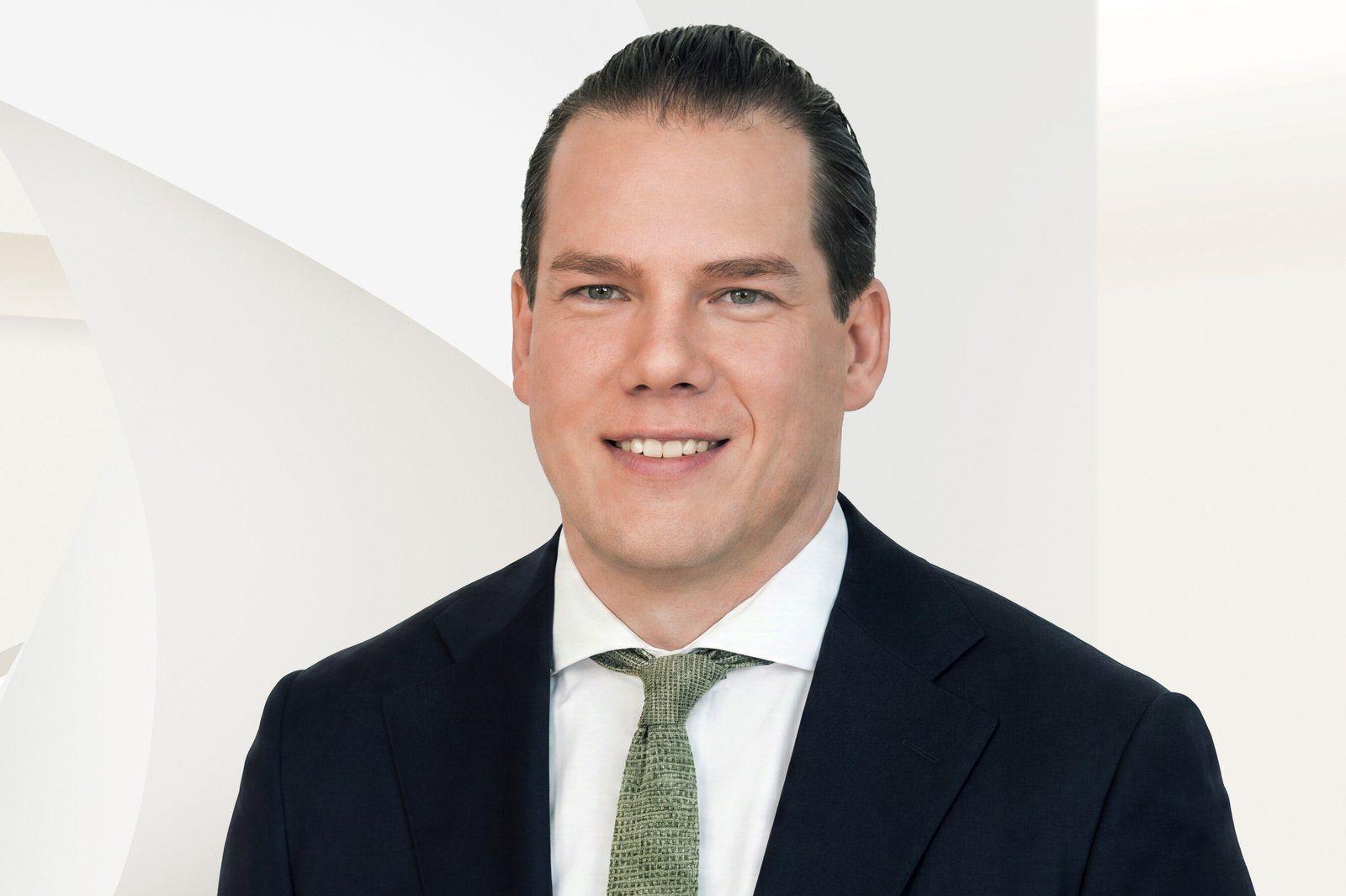
London, UK - When it comes to purchasing luxury property, lifestyle remains the primary motivation, but wealth preservation is the underlying driver, as the second “Engel & Völkers Private Office Market Report 2026/27” reveals. “Generational transition, global wealth mobility, and dynamic geopolitical and economic environments are influencing how (ultra-) high-net-worth individuals think about where they live, invest and establish their long-term foundations,” Till-Fabian Zalewski, Group Co-CEO of Engel & Völkers, explains. “Against this backdrop, real estate is taking on a broader role – connecting lifestyle and personal aspirations with considerations around family, continuity and long-term security.” This motive is most pronounced amongst affluent property owners with internationally varied portfolios, with geography emerging as an even more significant factor than the asset class itself.
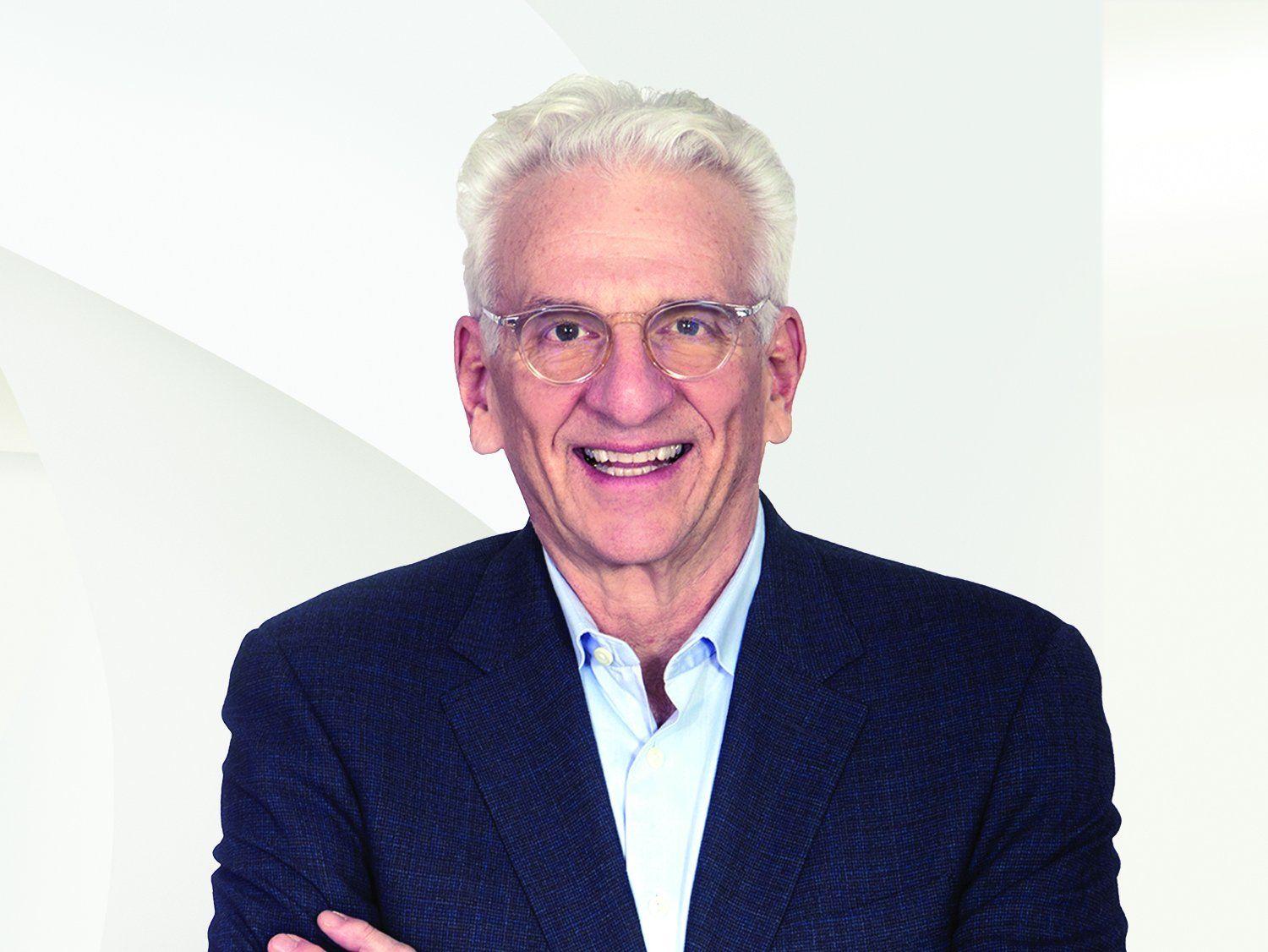
The report draws on insights from 185 Engel & Völkers Private Office advisors operating in 17 countries worldwide and incorporates selected insights from Henley & Partners’ Global Wealth Mobility Framework across six key markets. The framework assesses the structural attractiveness and competitiveness of jurisdictions for internationally mobile wealth across 12 weighted dimensions, including tax treatment, rule of law and quality of life, residence and citizenship pathways, geopolitical stability and capital mobility. “Property is often one of the most visible elements of an internationally mobile family’s global footprint, but it increasingly sits within a much broader set of decisions about where to live, establish rights, educate children, conduct business and preserve future options,” says Dominic Volek, Group Head of Private Clients at Henley & Partners. “Wealthy families are thinking less in terms of one alternative destination and more in terms of complementary jurisdictions that can serve different purposes over time.”