Boston, United States - Suffolk Construction is expanding the use of artificial intelligence across its building operations through a programme that places AI specialists directly alongside project teams on active jobsites.
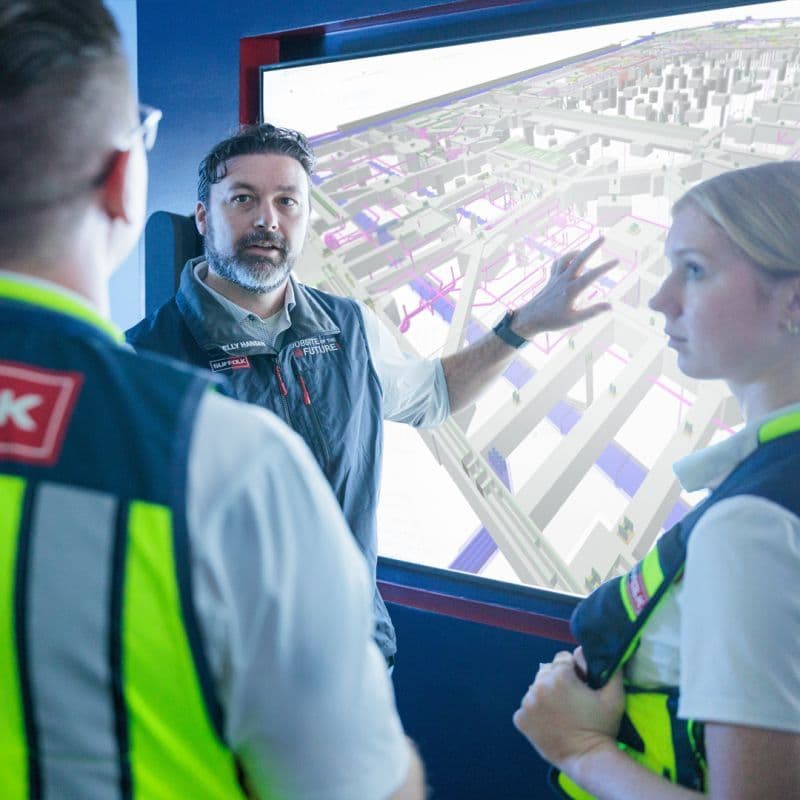
Known as Jobsite of the Future, the initiative pairs AI engineers with construction teams to identify operational problems and develop technology-based solutions around three main areas: design, scheduling and project processes.
The approach is intended to bring technology development closer to the conditions faced by construction teams in the field. Rather than developing AI tools separately and introducing them later, Suffolk is using project environments to identify specific tasks where automation and data analysis could improve performance.
AI engineers are being embedded within jobsite teams and participating in project activity, giving them access to the workflows and information needed to test potential solutions. Construction Dive reported that the programme is being deployed across Suffolk projects in different sectors, with AI specialists paired with teams according to the way those projects are delivered.
The initiative follows years of investment by Suffolk in construction technology, structured data and digital operations. According to Engineering News-Record, the contractor has invested more than $100 million in data, technology and innovation initiatives and has developed a structured data environment containing approximately 293 terabytes of construction information.
That data foundation is central to the programme because AI systems depend on consistent project information to produce useful results. Suffolk executives have also stressed that technology needs to be implemented consistently across projects if the company is to capture comparable and meaningful data.
One focus area is scheduling. Suffolk is exploring how AI can help teams respond more quickly when construction sequences change or when delays affect the critical path.
Another is project administration, where repetitive processes can consume substantial amounts of staff time. In an ENR interview, Suffolk chairman and CEO John Fish described efforts to shorten processes such as monthly requisitions and to accelerate schedule resequencing on large projects.
The company is also examining applications in design, including the integration of owner-provided equipment and project information into design workflows.
Suffolk’s broader technology model connects activity on individual jobsites with its 100MAG innovation operation in Boston. Ideas identified in the field can be transferred to specialist teams there for further development, testing and training before being applied more widely across the business.
The contractor is also using the programme to explore the relationship between digital tools and off-site construction. Fish cited mechanical rooms as one area where standardisation and prefabrication could reduce space requirements and improve predictability on complex projects.
Suffolk’s initiative reflects a wider shift across the construction industry towards applying artificial intelligence to specific project tasks rather than using it only for experimental or back-office applications. Recent industry reporting has highlighted contractors using AI and other digital systems for drawing reviews, schedule management, safety and project coordination.
For Suffolk, the current strategy centres on integrating those tools directly into the project environment, with AI engineers working alongside construction professionals to identify where technology can deliver measurable improvements.