While tourism growth figures often group the two markets together, the reality is more nuanced. Saudi Arabia is constructing a hospitality ecosystem designed around scale, accessibility and domestic depth. Dubai, in contrast, continues to refine a premium-led model focused on brand differentiation, pricing strength and global positioning.
The distinction is not about pace, but about structure. Each market is making deliberate choices about how hospitality and tourism supports its economy, who it is built for, and how risk and returns are distributed in the long-term.
Saudi Arabia: Scaling supply around domestic depth
Saudi Arabia’s hospitality expansion is anchored in domestic demand. In 2024, the Kingdom recorded 86.2 million domestic tourists alongside 29.7 million international visitors, generating SAR 284 billion in tourism spending. Domestic travel has become the backbone of the market, providing recurring occupancy across major cities and religious destinations, rather than relying solely on seasonal international flows.
This demand profile is shaping the nature of supply coming forward. Saudi Arabia currently operates approximately 171,650 quality hotel rooms, with a further 358,000 keys expected by 2030. While slower than the 5-star category, three- and four-star hotels are still expanding rapidly as operators position themselves to serve families, business travellers, pilgrims and regional visitors seeking value-driven accommodation.
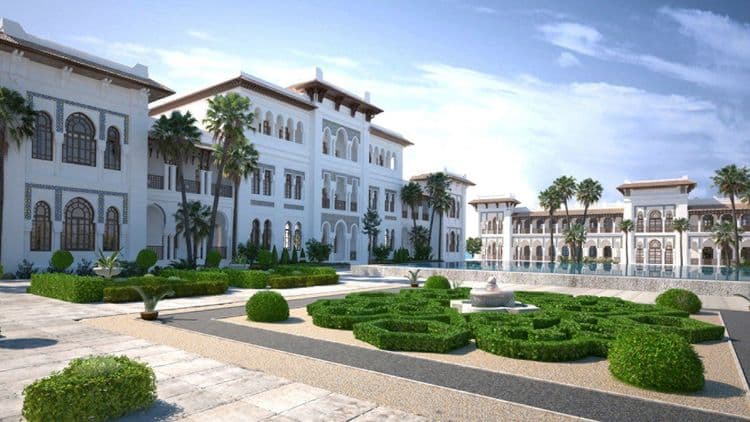
Large-scale developments such as King Salman Gate and Rua Al Madinah reflect this approach. Rather than concentrating exclusively on premium positioning, these schemes integrate multiple hospitality tiers within a single destination framework. Exclusive leisure projects such as The Red Sea are also expected to incorporate a spectrum of products rather than a singular luxury narrative.
The underlying strategy is clear. By widening access and broadening price points, Saudi Arabia is embedding tourism more deeply into the domestic economy. Hospitality and tourism are being positioned as infrastructure, designed to support year-round demand, employment creation and regional mobility.
For developers and operators, this model brings opportunity but also discipline. Scale alone does not guarantee performance. Phasing, operational efficiency and alignment with local travel behaviour will determine whether growing supply translates into resilient occupancy and sustainable margins.
Dubai: Reinforcing premium positioning
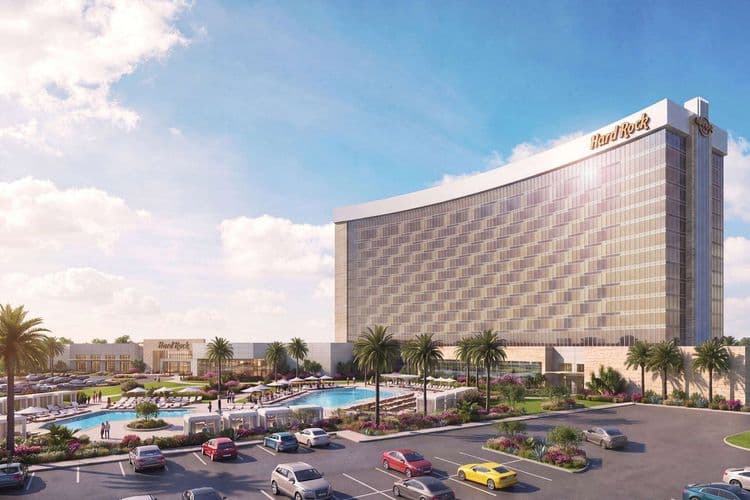
Dubai’s hospitality pipeline reflects a different set of priorities. New supply is weighted toward ultra-luxury hotels, branded residences linked to global hospitality operators and mixed-use waterfront developments that integrate hospitality with high-end residential and retail. Brand partnerships, lifestyle alignment and experiential differentiation are being used to support pricing power and international appeal.
In this environment, expansion is not driven by volume alone. It is shaped by increasing numbers of high-spend profiles sustaining demand for an increasingly competitive luxury landscape. New developments are expected to continue enhancing the city’s premium identity rather than dilute it, placing pressure on developers to justify positioning through product quality, design and service depth.
This market behaviour reflects Dubai’s long-established role as a global destination city. Hospitality here functions less as domestic infrastructure and more as a positioning tool – one that supports tourism, real estate values and international visibility.
Why positioning matters more than growth
These are not minor variations in development strategy. They represent two structurally different hospitality models emerging within the same region.
Saudi Arabia is prioritising an authentic tourism leveraging its unique attributes with projects leveraging scale and demand depth. With a large share of domestic tourism and being one of the youngest populations in the region, it is necessary to provide with a wide spectrum of offerings to capture the latent demand.
Dubai is prioritising differentiation, premium to luxury positioning and repeat visitation. Each model can succeed, but only if projects are aligned precisely with the demand base they intend to serve.
The implications for developers and operators are clear. Participation in Gulf hospitality growth is no longer sufficient on its own. Clarity of positioning has become central to performance.
A mid-market hotel must be designed, priced and operated for volume resilience. A premium asset must justify its rates through consistent quality, strong branding and disciplined supply management. Projects that sit ambiguously between these positions risk underperforming in both occupancy and pricing terms.
As pipelines mature across both markets, the consequences of these differing strategies are likely to become more visible. Occupancy patterns, rate stability and asset liquidity will increasingly reflect how well each project aligns with its underlying demand base rather than the strength of the market alone.
In Saudi Arabia, success will depend on operational excellence and the ability to serve repeat domestic demand at scale. In Dubai, performance will hinge on maintaining differentiation and protecting premium positioning in a crowded global field.
For investors, this reinforces the need for market-specific underwriting rather than regional generalisations. For developers and operators, it underscores the importance of treating positioning not as a marketing exercise, but as a fundamental design and operational decision.
The next phase of hospitality expansion in the Gulf will depend less on how much is delivered and more on how deliberately each project is conceived. In that context, positioning is not a brand choice. It is a structural one.