Sign up to receive the latest tech news and updates from Property News International straight to your inbox.
By signing up, you will receive emails about property news products and you agree to our terms of use and privacy policy.
@2026 Property News International. All Rights Reserved.
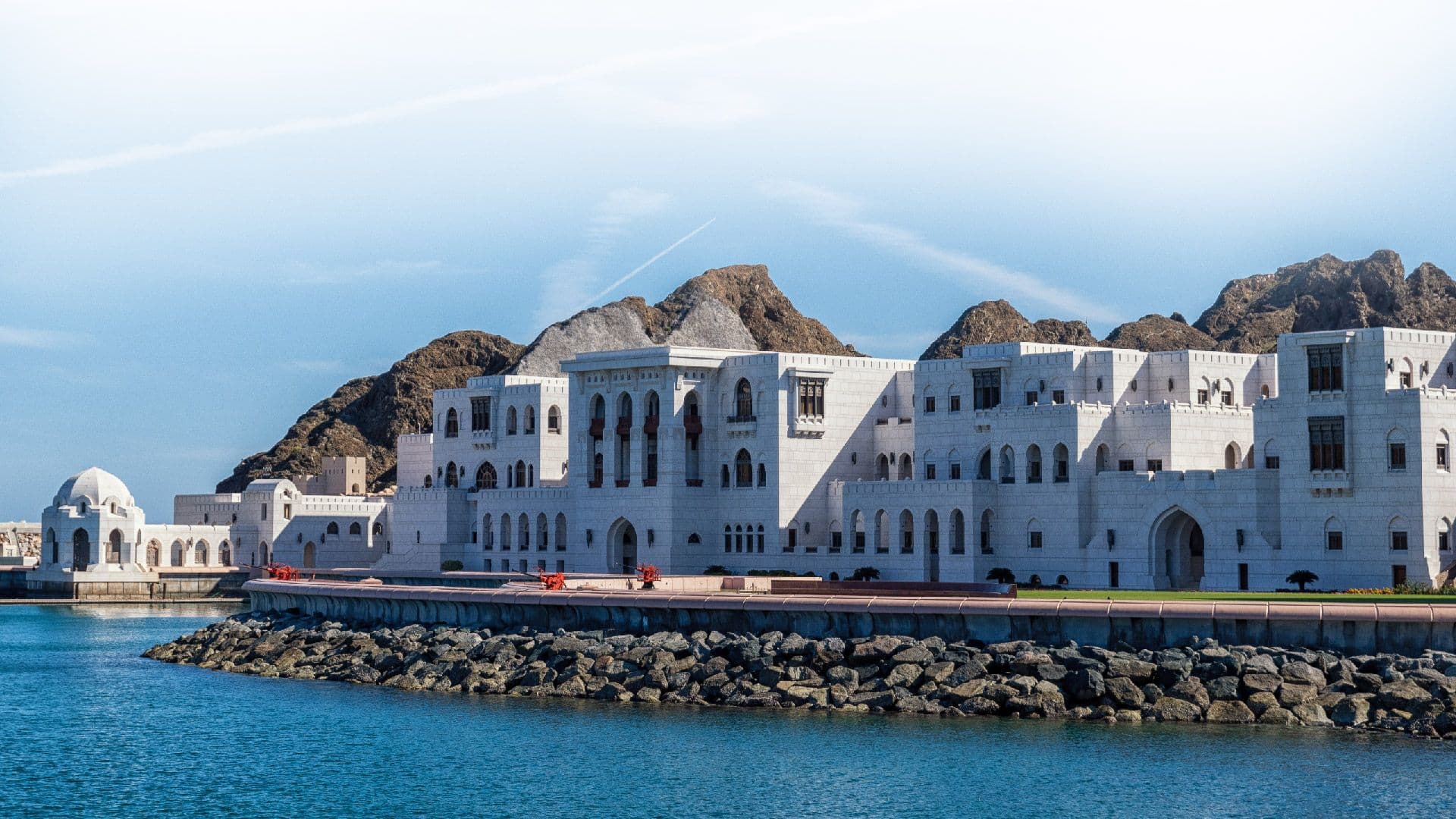
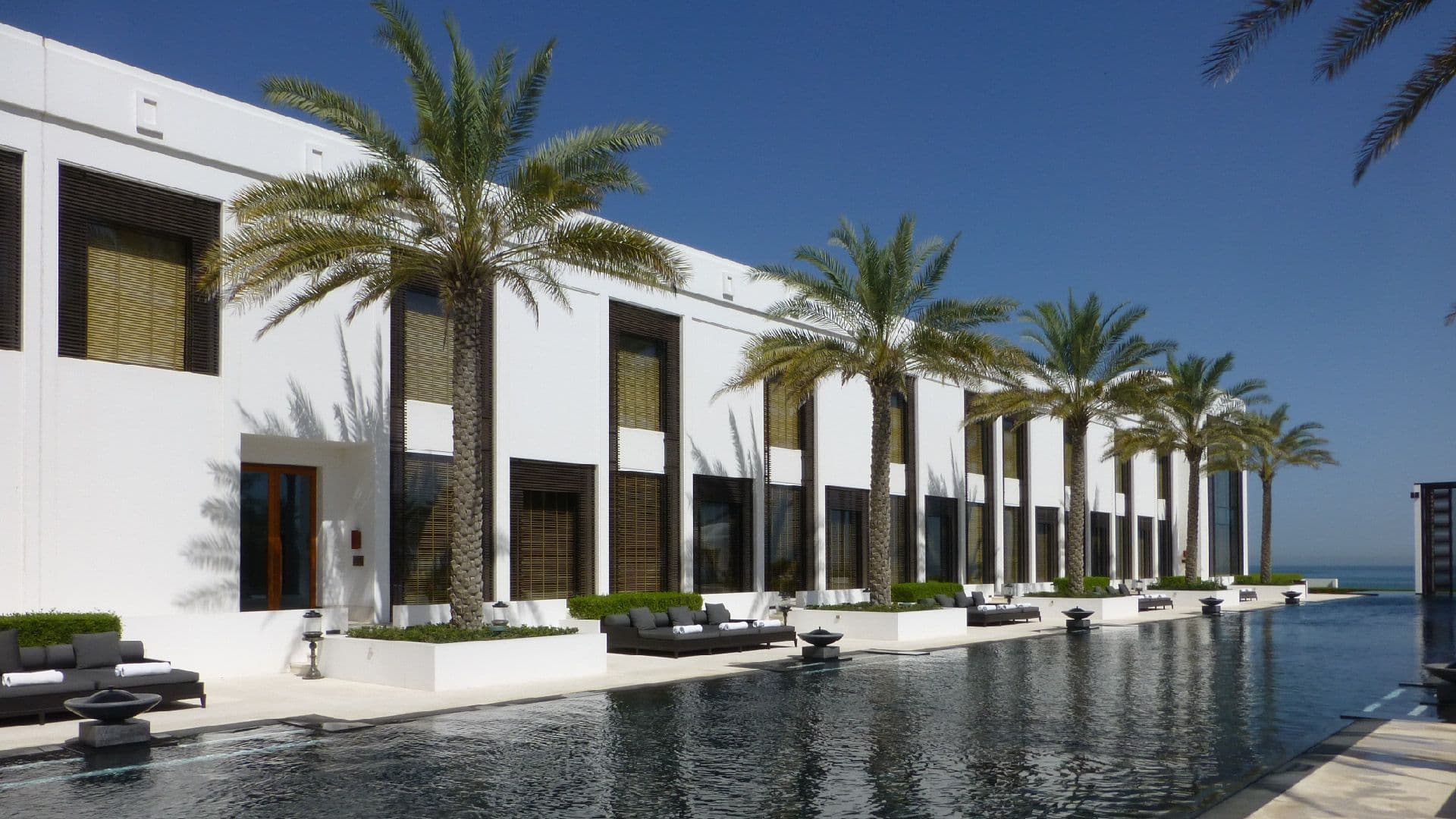
Hotels in Oman recorded higher revenues and room rates during the first quarter of 2026. Image: SuppliedMUSCAT, OMAN – Oman's hotel sector recorded $221.8 million (OMR85.4 million) in revenue during the first quarter of 2026, an 8.4% increase year-on-year, driven by higher room revenues and stronger average daily rates despite softer occupancy and visitor numbers, according to the latest analysis by Cavendish Maxwell.
The real estate advisory and hospitality property consultancy said room revenues rose 13% year-on-year to $138.2 million (OMR53.2 million), underpinning overall revenue growth during the quarter.
Revenue performance was strongest at the beginning of the year, with January revenues increasing almost 27% and February revenues rising nearly 9% compared to the same months in 2025. March revenues, however, declined 21% year-on-year.
Average room rates increased 15.5% to $149.4 (OMR57.5) during Q1, supported by robust pricing in January ($151.5 (OMR58.3)) and February ($158.6 (OMR61)), representing increases of nearly 19% and more than 20% respectively. March's average room rate of just under $129.9 (OMR50) remained broadly in line with March 2025.

Cavendish Maxwell's analysis found that Oman's hotels welcomed 572,000 guests during the first quarter.
While January check-ins increased by more than 7% year-on-year, overall guest numbers declined by just under 6% during the quarter as travel patterns were affected by Ramadan, Eid and wider regional disruption.
Khalil Al Zadjali, Head of Oman at Cavendish Maxwell, said:
"The divergence between revenue and room rate growth and lower guest volumes in Q1 shows that Oman hotels maintained their pricing power despite reduced occupancy during the quarter. In addition, employment in the hospitality sector expanded in Q1, with the job market growing 2.1% compared to the same period last year. By the end of March, Oman’s hotel industry employed nearly 11,300 people."
Occupancy at Oman’s three- to five-star hotels peaked at almost 70% in January, an increase of nearly 11% compared to the same month last year, before easing in February and March.
Average occupancy across the quarter stood at just over 56%, down around 5% year-on-year.
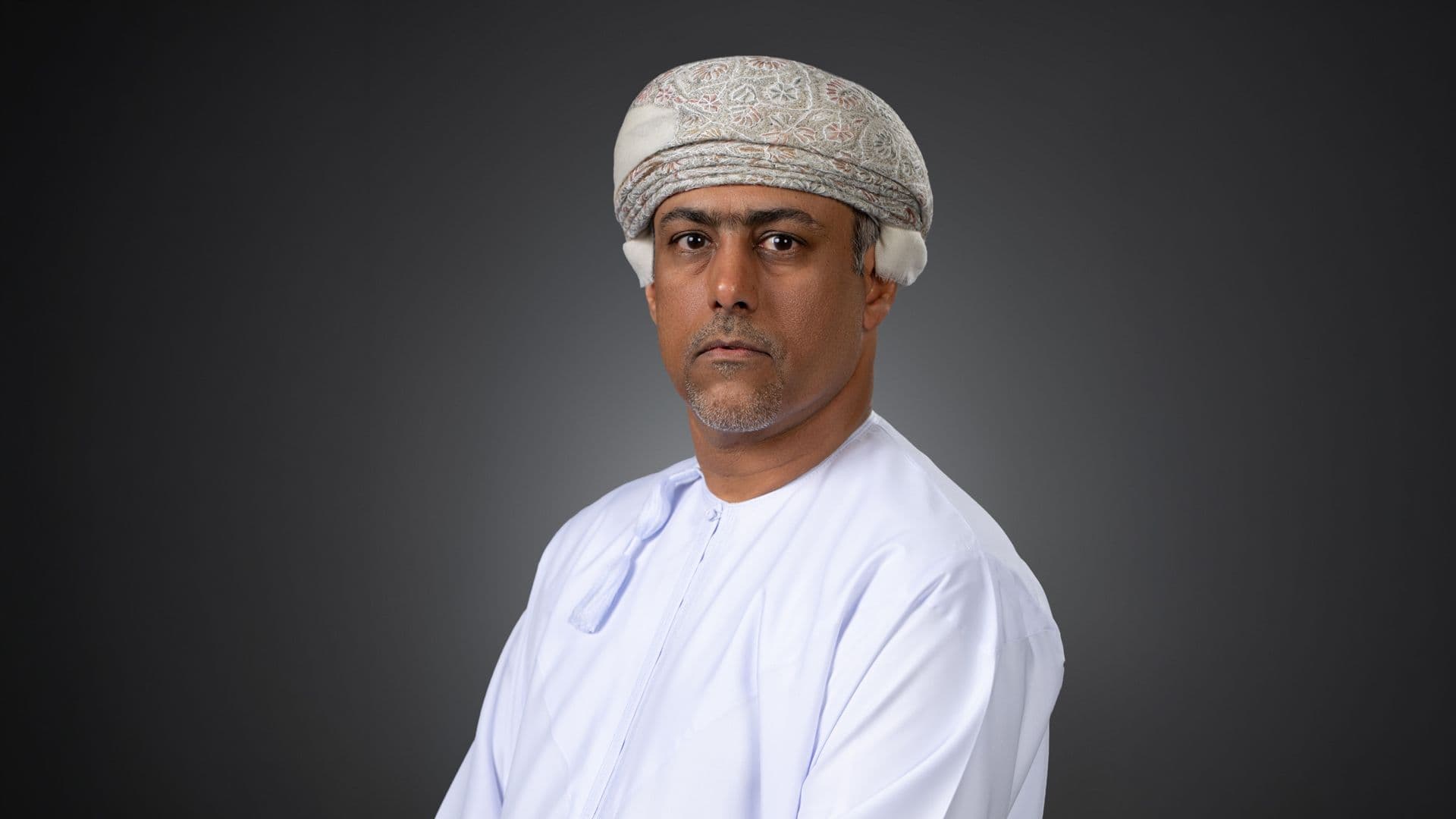
Khalil Al Zadjali, Head of Oman at Cavendish Maxwell. Image: SuppliedEuropean travellers remained the largest source market for Oman during Q1 despite an 11% annual decline.
Hotels welcomed approximately 206,000 European visitors between January and March, accounting for 36% of total guests.
Omani nationals ranked second with 177,000 hotel guests, representing 31% of total arrivals and recording 3% year-on-year growth.
Visitors from Asia accounted for 15% of guests, while the remaining 18% came from other international markets.

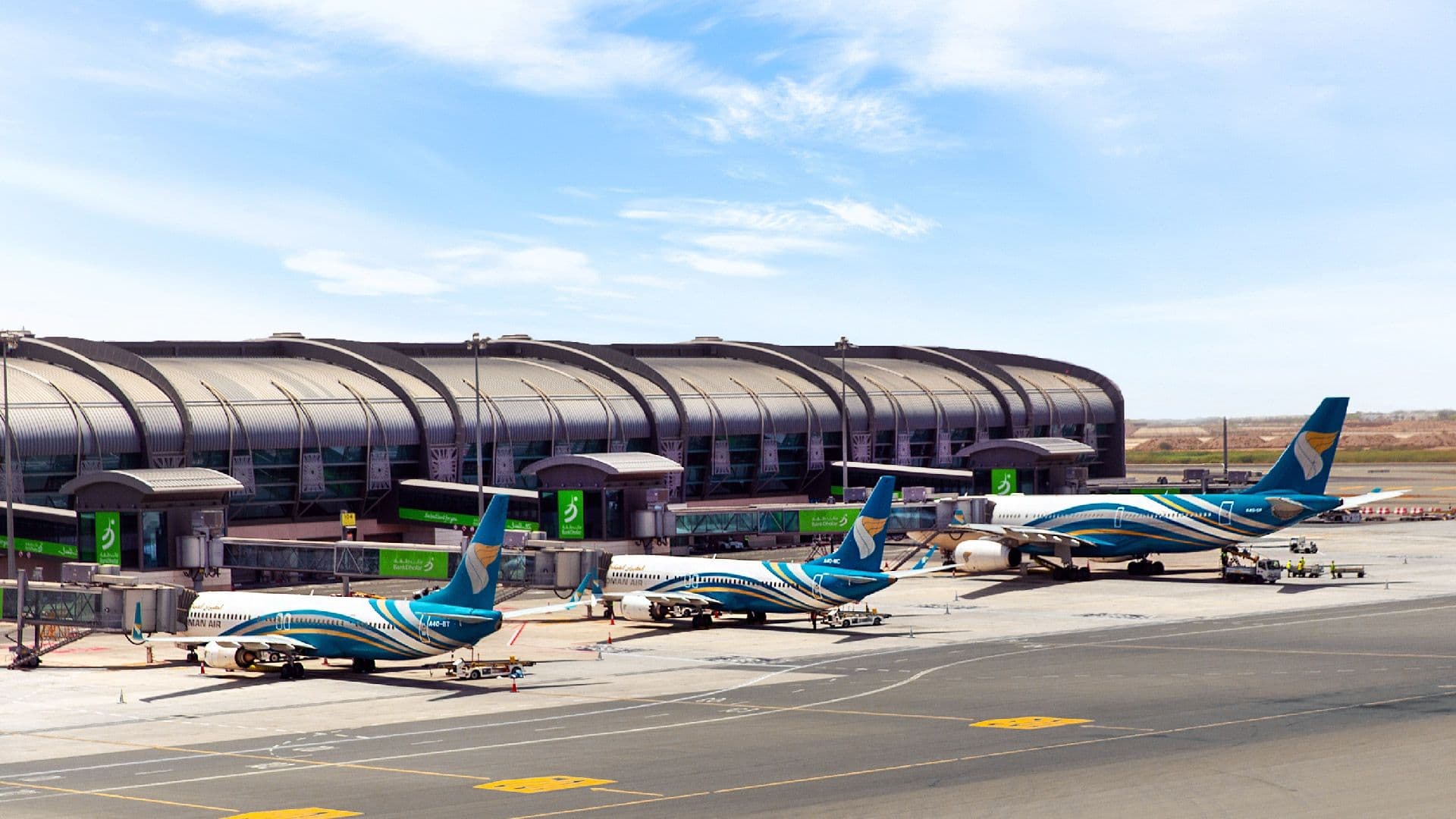
Oman's airports handled 3.46 million passengers during the first quarter, a 2.4% decline compared to Q1 2025.
Cavendish Maxwell noted that the domestic aviation market remained resilient, growing 3.5% year-on-year, while international passengers continued to account for 87% of total airport traffic.
The country's hotel supply also continued to expand, with around 430 new hotel keys delivered during the first quarter.
A further 1,200 keys are expected to be completed before the end of 2026, increasing total hotel inventory to approximately 41,400 keys.
An additional 2,700 hotel keys are planned over the following two years, taking national supply to around 44,100 keys by the end of 2028.
Al Zadjali added:
"If tourism activity strengthens and leisure travel returns to normal in the second half of the year, this additional new capacity, which will be delivered in phases, should gradually be absorbed by the market.
"Looking ahead, government measures to strengthen Oman’s tourism offering – including enhanced connectivity and expanding international reach through airline and travel trade partnerships – are expected to support longer term growth in demand and help create a more diversified tourism base. We are likely to see the impact of these initiatives materialise gradually, with near-term performance remaining dependent on broader travel conditions and visitor sentiment."

Dubai commercial property sales reached a record $5.31 billion during H1 2026, W Capital reveals

Roshn launches luxury curated villas within its flagship Sedra community in Riyadh

Sheikh Khaled launches Marsa Al Saadiyat, a $27.23 billion, 6.4 million sqm waterfront destination
MERED says Dubai's off-plan market is redefining luxury residential development across the emirate.