Sign up to receive the latest tech news and updates from Property News International straight to your inbox.
By signing up, you will receive emails about property news products and you agree to our terms of use and privacy policy.
@2026 Property News International. All Rights Reserved.
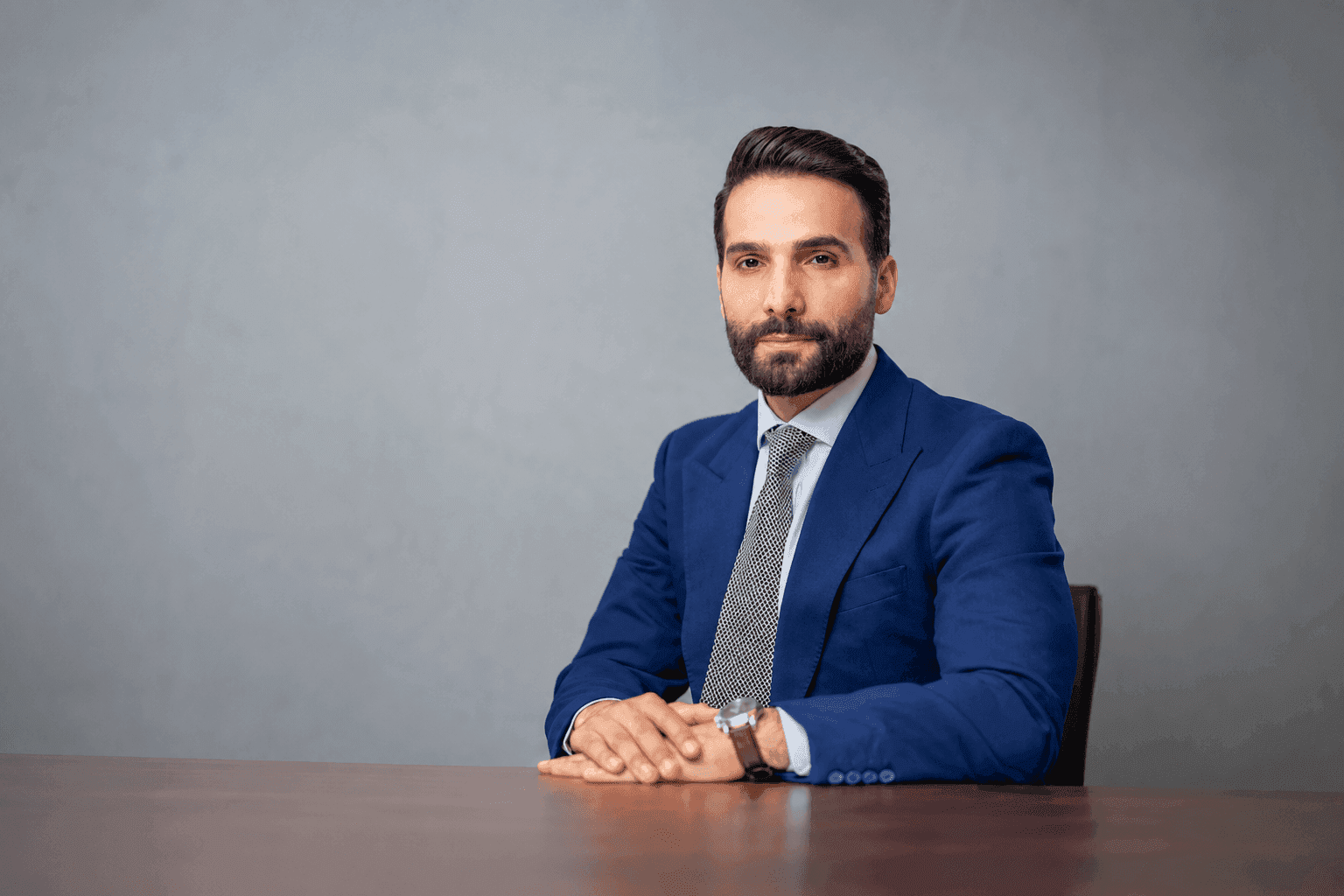
Osama Al Hussain, Director, Head of KSA at CSQSaudi Arabia is no longer simply planning for the future. It is building it, and at a scale that demands precision, discipline, and foresight. The 2026 State Budget allocates around SAR 1.3 trillion to infrastructure, housing, and industrial growth.
This level of investment signals a clear shift. The Kingdom is moving decisively from vision to execution. This transition marks a critical inflection point. Ambition alone is no longer the differentiator. Success will now be measured by how reliably projects are delivered, how effectively capital is protected, and how well long-term value is secured.
Private sector construction is a major part of this transformation. Recent data shows that roughly 38 percent of construction spending in Riyadh comes from private developers and investors. These projects will play a defining role in shaping the Kingdom’s cities, industries, and communities.
Initiatives backed by the Public Investment Fund are setting a new benchmark for delivery that is efficient, transparent, and predictable. With capital deployed at unprecedented scale, the tolerance for delay, cost overrun, or unmanaged risk has significantly reduced. The critical question facing owners and investors is no longer what to build, but whether projects can be delivered on time, within budget, and with measurable returns.
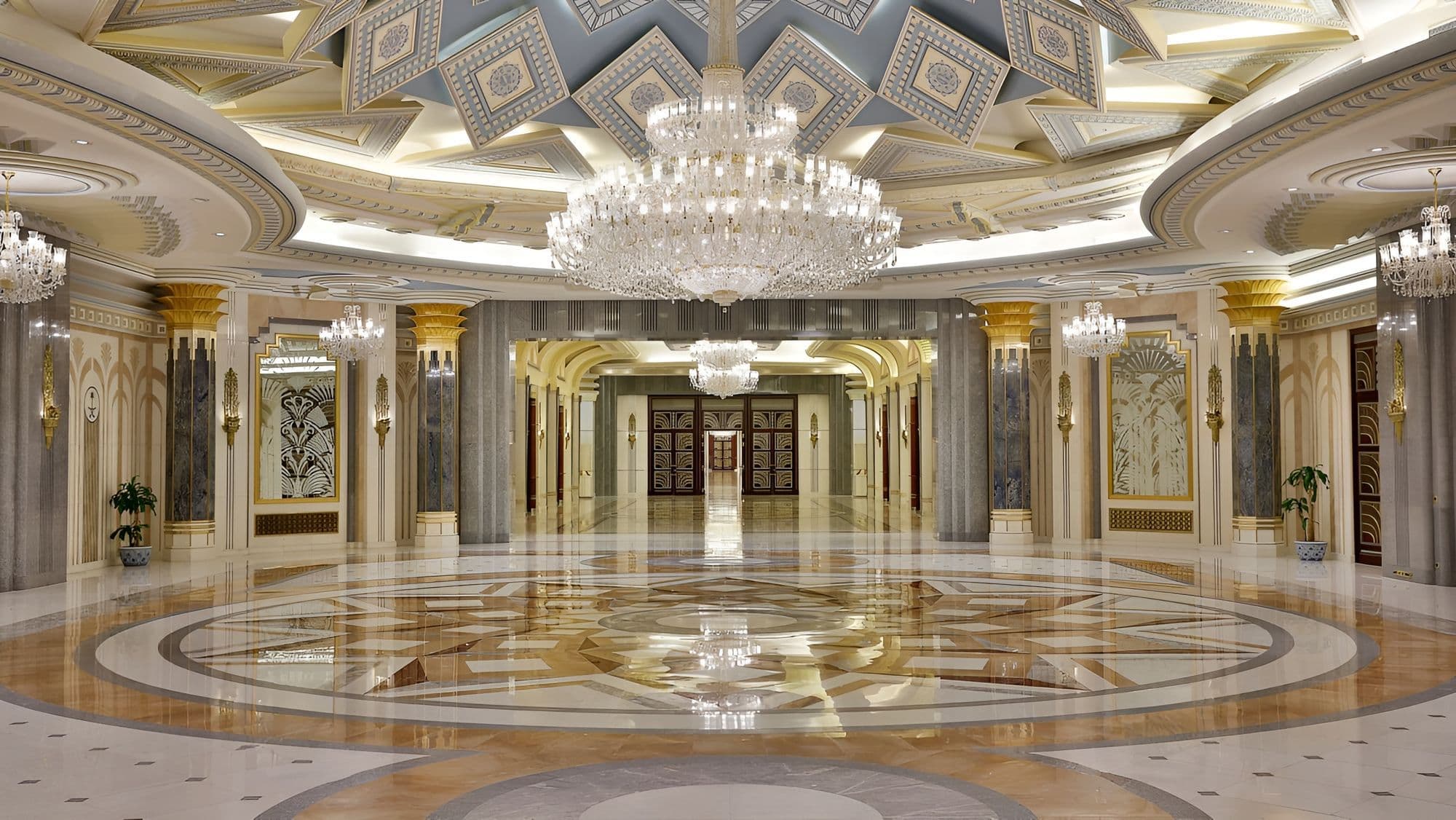
The Ritz-Carlton, Jeddah. Image: SuppliedAs Saudi Arabia enters a high-intensity execution phase, attention is shifting toward supply chain resilience. The volume of concurrent giga-projects has created global competition for materials, equipment, and specialist services. In response, Local Content and SDR requirements are becoming central to delivery strategies.
Successful projects are integrating local manufacturing, suppliers, and talent early in the procurement cycle. This approach reduces exposure to global logistics volatility, supports schedule certainty, and ensures that economic value is retained within the Kingdom. Localization is no longer just a policy objective. It is a practical risk mitigation tool and a core component of successful delivery.
Project delivery excellence is increasingly defined by the strength of the system behind it. High-performing projects are anchored by:
Without these fundamentals, scale becomes a liability rather than an advantage. With them, complexity becomes manageable and outcomes become predictable.
The Ministry of Tourism Headquarters in Riyadh. Image: SuppliedAt CSQ, we treat delivery as a system. By combining technical due diligence, integrated cost consultancy, risk management, and programme oversight, we support our clients in protecting capital, de-risking critical decisions, and achieving reliable, world-class outcomes.
Project delivery excellence is no longer a luxury. It is the mandated standard. Those who integrate disciplined governance, digital systems, and chartered technical stewardship will not just meet expectations. They will define the era of Saudi Arabia’s successful execution.
Execution maturity in the Kingdom is being accelerated by digital transformation. Predictability now depends on the effective use of BIM, Digital Twins, and Common Data Environments that provide a single source of truth across stakeholders. These tools enable better coordination, earlier issue detection, and stronger decision-making across design, procurement, and construction.
At the same time, delivery is increasingly inseparable from sustainability and ESG performance. Owners are moving beyond baseline compliance with the Saudi Building Code toward LEED certification, carbon reduction strategies, and more responsible construction methodologies. This alignment with the Saudi Green Initiative ensures that rapid development today does not compromise environmental resilience or long-term liveability.
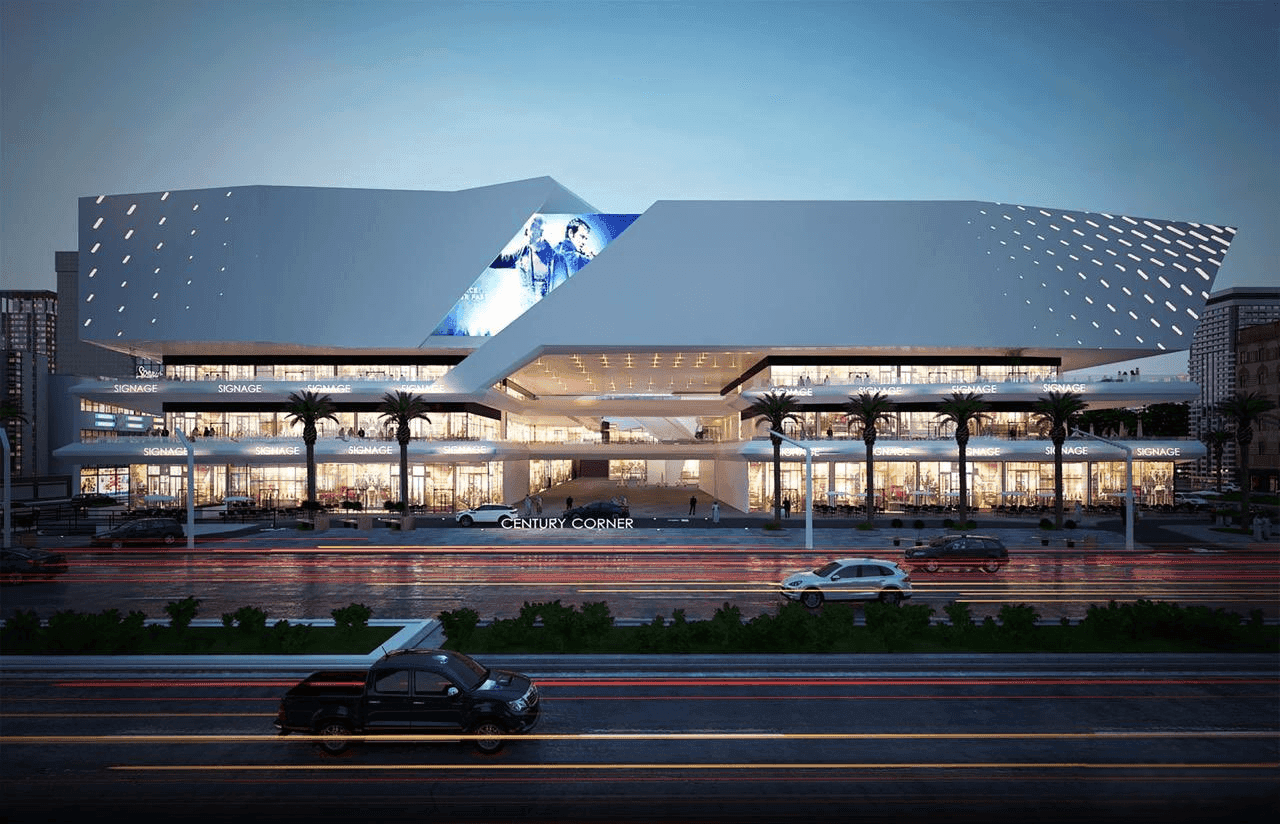
Century Corner Complex in Riyadh, Saudi Arabia. Image: SuppliedThe scale of the project pipeline presents a significant human capital challenge. Delivering this volume of work requires a rapid uplift in capability across project management, commercial management, and technical leadership. The Kingdom must attract experienced professionals while also building sustainable local capacity.
This challenge cannot be addressed through resourcing alone. It requires structured capability development, mentorship, and the systematic transfer of knowledge to Saudi professionals who will be responsible for managing and operating these assets for decades.
At this scale and intensity of delivery, the role of chartered professionals becomes critical. Chartered project managers, cost managers, and engineers bring a level of rigor, accountability, and ethical governance that directly underpins predictable outcomes. Their value is tangible and measurable through controlled costs, defensible programmes, robust procurement strategies, and informed risk decisions.
Working to internationally recognised standards, chartered professionals apply structured methodologies and assurance processes that protect capital and improve certainty. In fast-tracked environments where decisions carry multi-billion-riyal implications, this level of professional judgement is essential. Beyond technical competence, they act as trusted advisors who challenge assumptions, test feasibility, and align delivery decisions with long-term asset value rather than short-term milestones. They also play a central role in mentoring Saudi talent, embedding global best practice while ensuring knowledge transfer is practical and enduring.

Dubai commercial property sales reached a record $5.31 billion during H1 2026, W Capital reveals

Roshn launches luxury curated villas within its flagship Sedra community in Riyadh

Sheikh Khaled launches Marsa Al Saadiyat, a $27.23 billion, 6.4 million sqm waterfront destination
MERED says Dubai's off-plan market is redefining luxury residential development across the emirate.