Muscat, Oman - Nama Electricity Distribution plans to spend more than $1.6 billion (OMR 600 million) from 2026 to 2029 on expanding and reinforcing Oman’s electricity distribution networks, upgrading infrastructure and moving to a smart, data-led grid.
The programme targets a more reliable network, more efficient operations and infrastructure ready for future growth in power demand. It will also widen the company’s use of digital tools, artificial intelligence (AI) and advanced data analytics.
According to the company, the next stage of its development goes past digitising the network. The aim now is to get the most value out of the data it collects, using it to improve services and network management and give subscribers a better experience.
Khalfan Nasser Al Bartamani, Chief Commercial Officer at Nama Electricity Distribution, told Oman News Agency (ONA) that the company is joining up five sets of tools: its smart meters, Geographic Information Systems (GIS), Supervisory Control and Data Acquisition (SCADA), Advanced Distribution Management Systems (ADMS), and the technologies used to sense and control the network.
Linking these systems is expected to allow the network to be watched in real time, with faults found sooner, emergency crews responding faster and power restored in less time.
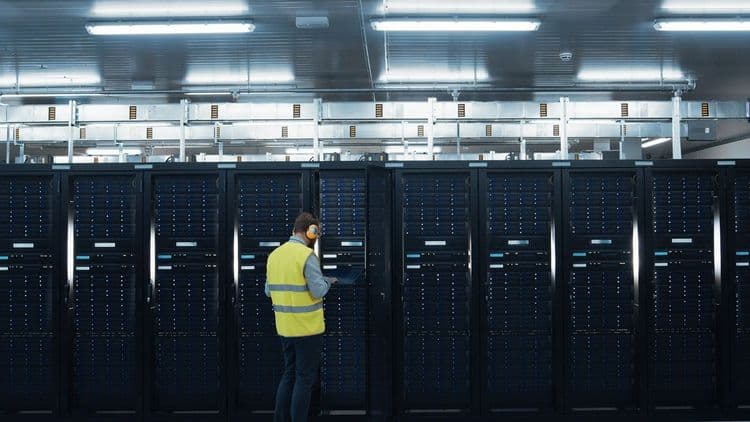
Nama is also widening its use of big data, advanced analytics and AI to build applications that track the condition and performance of its network assets. These tools are meant for predictive maintenance, so that likely faults are spotted earlier and maintenance work is directed with greater accuracy.
Al Bartamani said subscribers would benefit too, through quicker replies to reports, better handling of outages and closer coordination between operational teams.
An outage management system is already in place, connecting Nama’s call centre to its emergency teams. It draws on real-time monitoring, operational data and GIS to pinpoint faults and speed up the response when supply is cut.
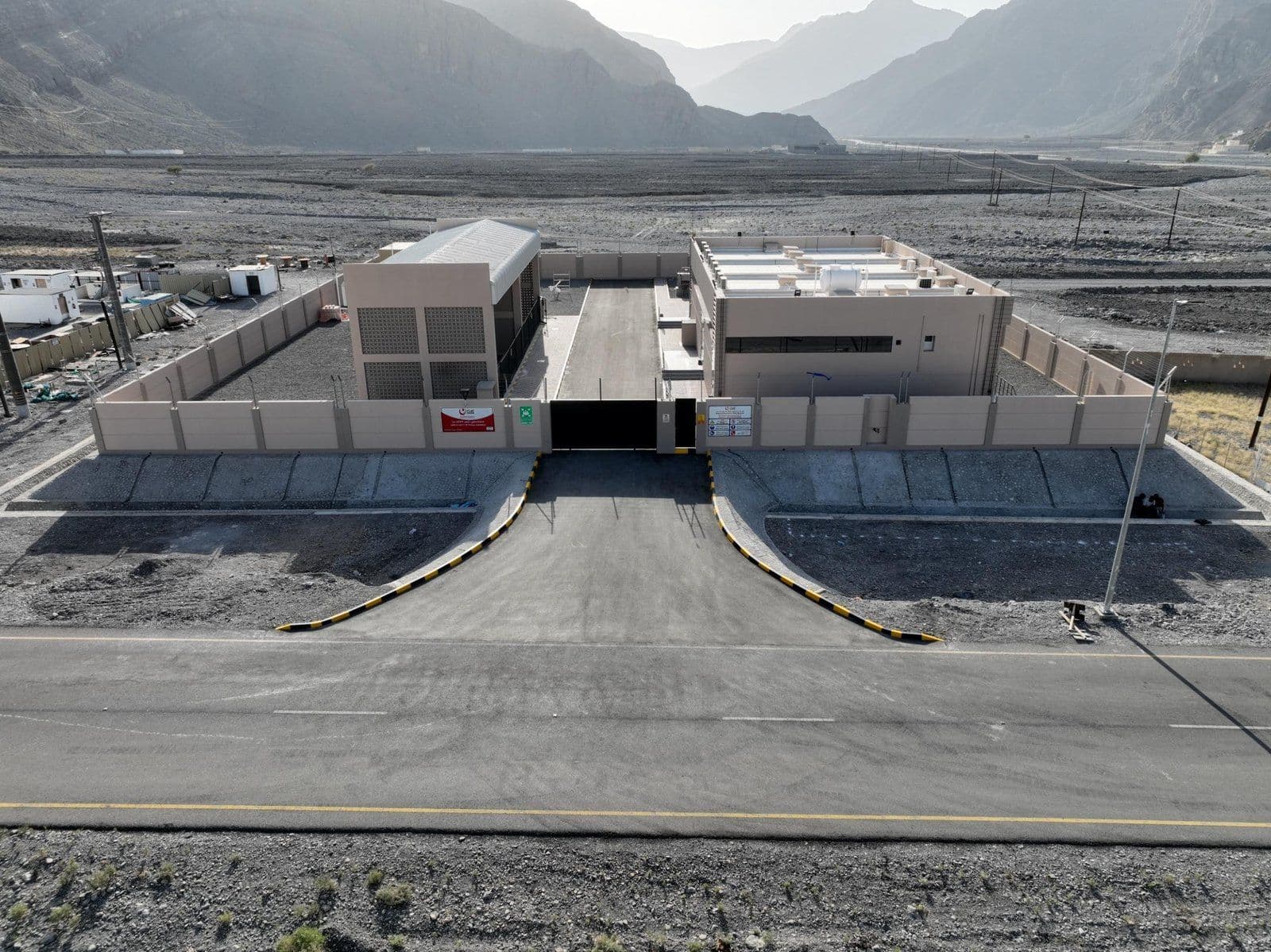
Alongside the digital work, the company will keep building substations and distribution networks, improve how it manages its assets and support the connection of renewable energy. Promoting local value addition and developing national skills are also part of the wider modernisation programme.