Residential Prices Continue to Rise
Despite lower transaction volumes, residential values continued to increase across most major markets.
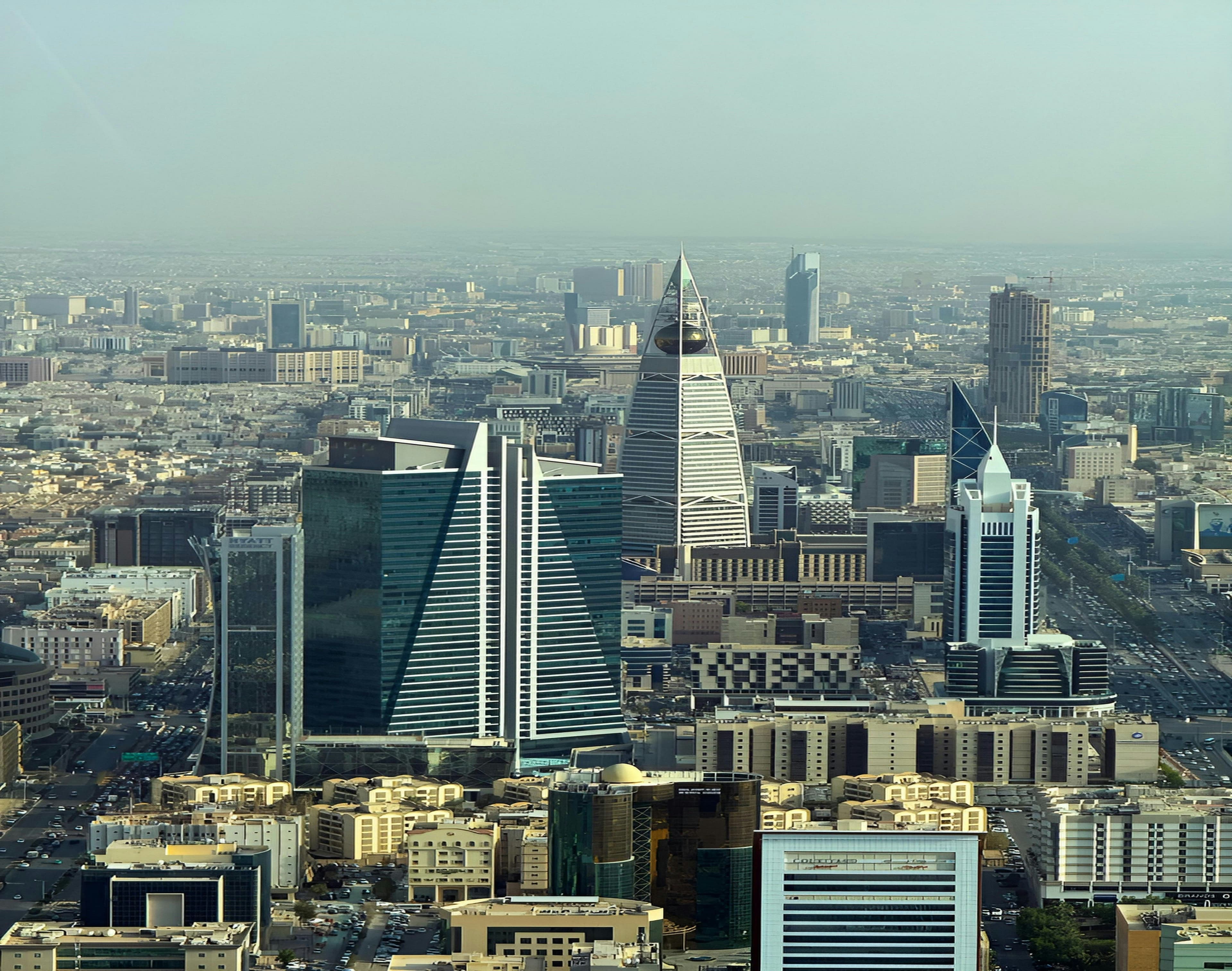
Apartment prices in Riyadh rose 6.3% year-on-year during the first quarter, while villa values increased by 4.9%. Apartment prices also climbed by 2% in Jeddah and 2.3% in the Dammam Metropolitan Area.
Knight Frank noted that these price gains largely reflect market conditions during the opening months of the year, with the full impact of regional conflict yet to be fully reflected in transaction data.
The slowdown in sales activity also coincided with weaker mortgage demand. New residential mortgage contracts declined by 25% during the first four months of 2026, while the total value of mortgage lending fell by 34%.
Housing Initiatives Support Long-Term Demand
Knight Frank highlighted that government housing initiatives continue to underpin the Kingdom's long-term residential market.
Homeownership has increased from 47% in 2016 to more than 66% in 2025, supported by initiatives including Sakani, Tawazon and the National Housing Company's large-scale residential developments.
Durrani added:
“The launch of the Tawazon platform has generated significant demand for planned and serviced residential land plots in Riyadh, with prices capped at SAR 1,500 psm. The initiative has been specifically designed to address housing affordability challenges by expanding access to lower-cost land, providing Saudi households with an alternative route to homeownership and supporting the government's broader objective of increasing housing accessibility across the capital”.
The National Housing Company remains a key contributor to future housing supply. Residential stock in Riyadh is forecast to increase from approximately 2.7 million homes in 2025 to more than 3.3 million by 2030, while housing stock in Jeddah is expected to reach 1.47 million units and supply in the Dammam Metropolitan Area is projected to approach one million homes.
Knight Frank also noted that Saudi Arabia's updated Law of Real Estate Ownership by Non-Saudis, which takes effect on February 22, 2026, is expected to further strengthen investor confidence, improve market transparency and support long-term demand across both residential and commercial property sectors.
Susan Amawi, General Manager – KSA at Knight Frank, said:
"Saudi Arabia's real estate market continues to benefit from one of the world's most ambitious economic and regulatory reform programmes. The introduction of the updated international non-resident ownership framework, combined with measures aimed at enhancing affordability and market stability, demonstrates the government's commitment to creating a more transparent, accessible and internationally competitive real estate sector. These reforms are expected to strengthen investor confidence and support long-term capital inflows across both residential and commercial real estate.
“The government's recently announced five-year freeze on residential and commercial rental increases within Riyadh is also expected to influence market dynamics. The measures are designed to encourage development, improve affordability, support residents and businesses facing rising occupancy costs”.
Office Market Remains Resilient
While residential activity moderated, Saudi Arabia's office market continued to demonstrate strong fundamentals, particularly in Riyadh.
Knight Frank reported that Grade A office rents increased by 6.3% year-on-year, while occupancy levels remained at 95%, supported by sustained demand from multinational companies establishing regional headquarters, professional services firms and technology businesses.
Harmen De Jong, Regional Partner and Head of Consultancy, MENA, said:
"Demand continues to be driven by multinational corporations establishing their regional headquarters in the Kingdom, alongside expanding requirements from professional services firms, technology companies and other private sector occupiers. While leasing activity remains healthy, occupiers are becoming more selective, with requirements generally smaller in size and transactions taking longer to complete. In many cases, leasing decisions are being led directly by business owners and senior decision-makers rather than dedicated corporate real estate teams, resulting in a less structured and more considered leasing process.
Nevertheless, the office sector continues to benefit from the success of the Regional HQ Programme, which has attracted over 700 multinational companies to establish regional headquarters in the Kingdom, significantly exceeding the original Vision 2030 target of 500 companies."
Foreign investment also continued to strengthen, with investment licences increasing from 4,615 in the first quarter of 2025 to 5,516 during the same period in 2026.
Knight Frank expects Riyadh's office stock to expand from approximately six million square metres in 2025 to more than 10.6 million square metres by 2032.
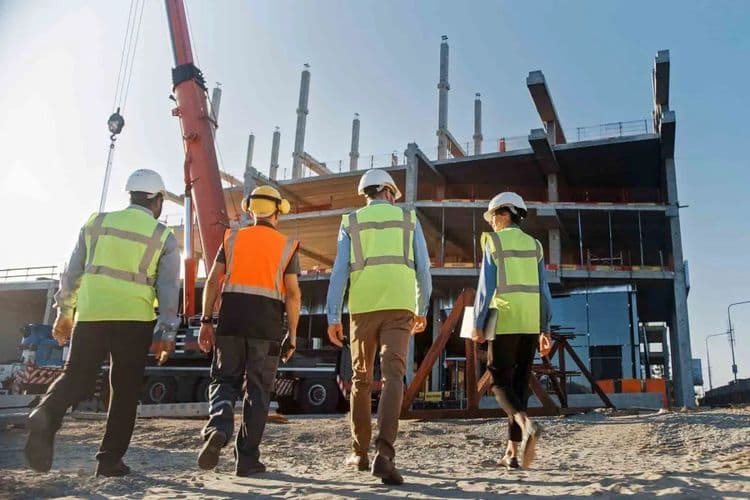
However, the consultancy cautioned that regional conflict has increased construction costs by more than 20% since the beginning of the year, while higher freight costs, rising fuel prices and supply chain disruptions may delay the delivery of new office developments.
Amar Hussain, Associate Partner – Research, MENA, concluded:
"Occupier demand remains exceptionally strong, supported by the Regional HQ Programme, rising international investment activity and continued economic diversification. While new office supply will gradually improve occupier choice, demand for high-quality office accommodation remains robust, albeit larger requirements have been paused by occupiers due to the uncertainty driven by ongoing events. Separately, Riyadh Metro is also emerging as an increasingly important factor in occupier decision-making, enhancing connectivity between key business districts and supporting the growth of new commercial hubs across the capital."