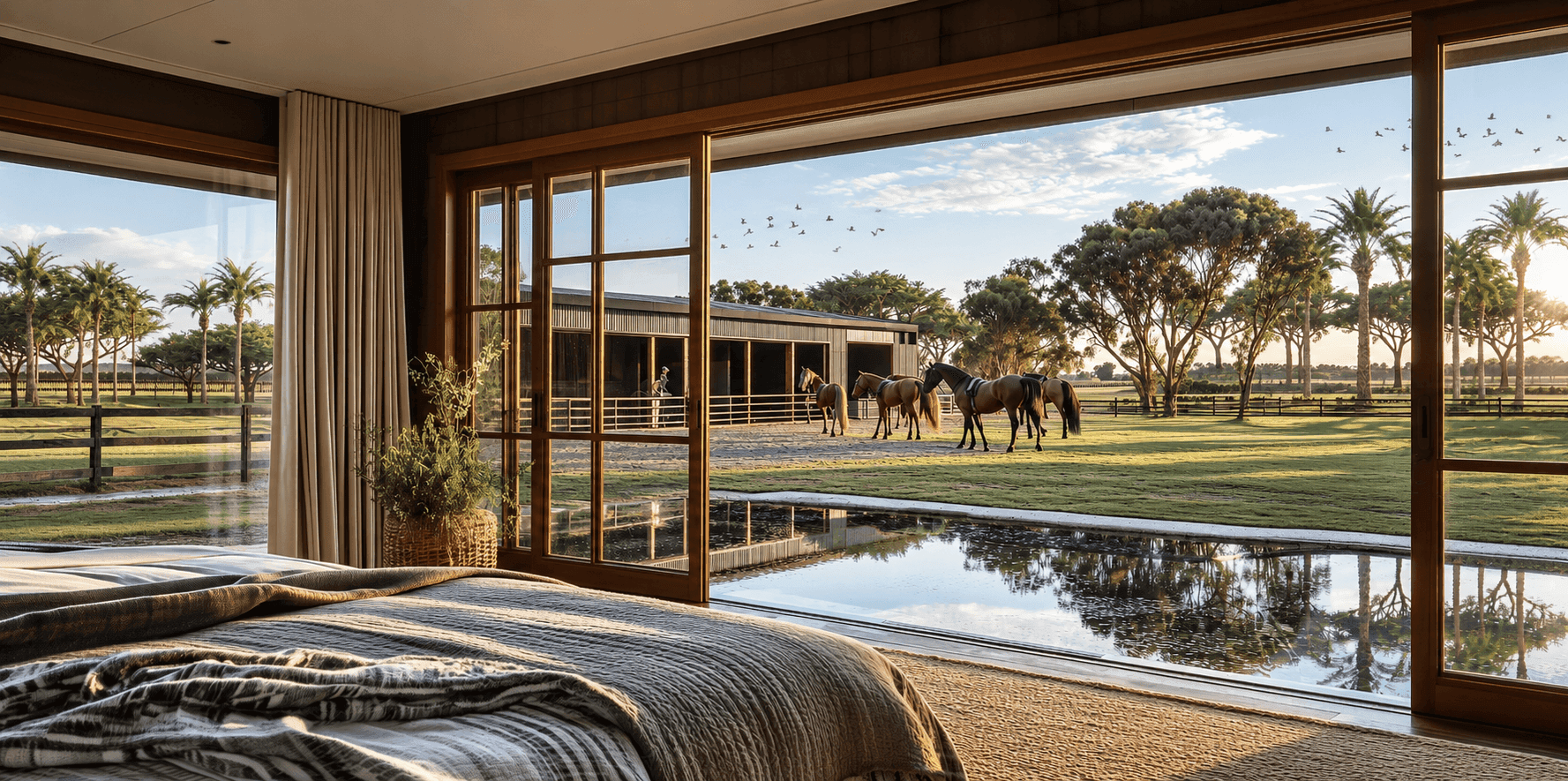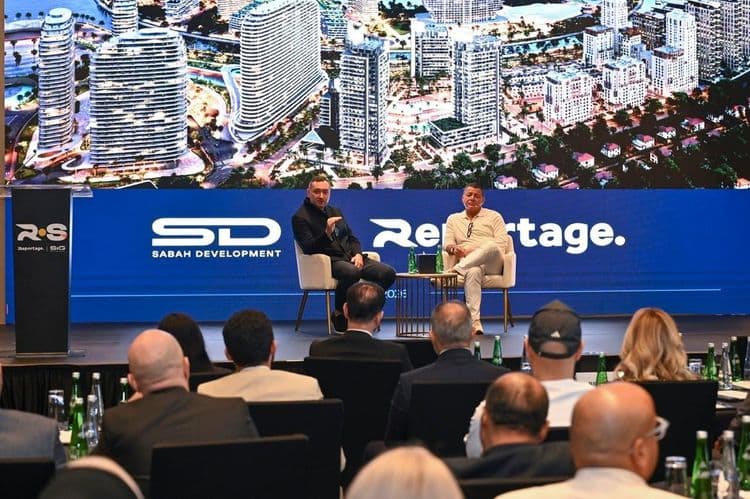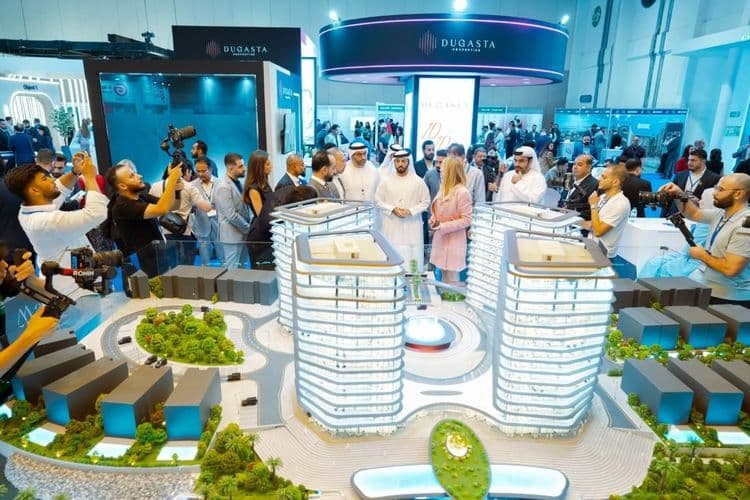
Dubai, UAE – 19th October 2026: As the UAE's 2026 equestrian season gets underway, another evolution is taking place beyond the sporting arena. Equestrian culture is increasingly influencing how a new generation of luxury destinations and residential communities are conceived.
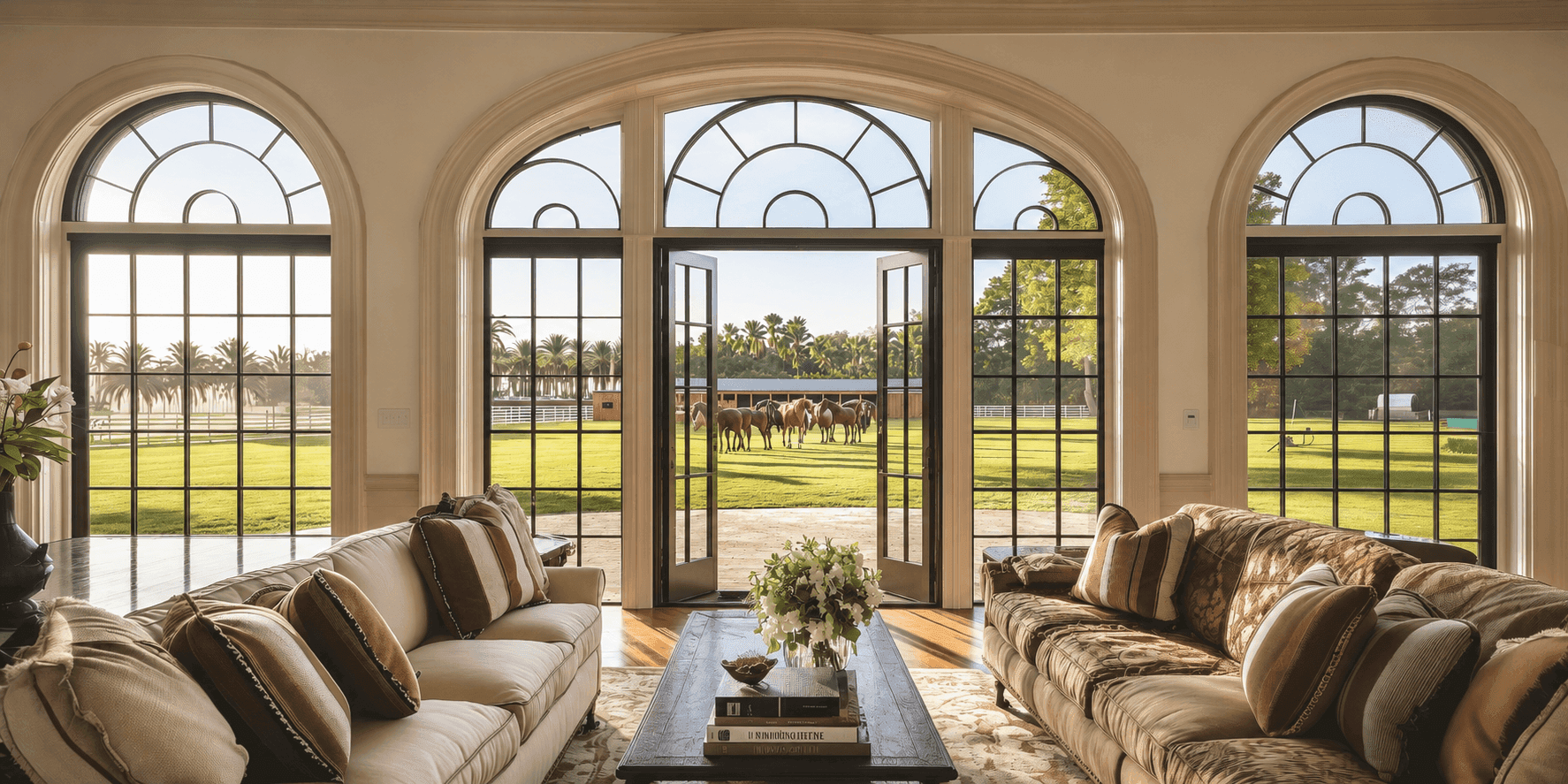
This is not simply about placing homes beside a polo field or adding stables to a master plan. Done well, equestrian design creates an entire lifestyle around the relationship between landscape, architecture, nature, horses and people.
The UAE is particularly well positioned to lead this evolution. Horses have a deep connection to the country's heritage, while its luxury property market has become increasingly sophisticated. Buyers at the highest end of the market are looking beyond conventional definitions of luxury. Space, privacy, nature, wellness and authentic experiences increasingly matter alongside finishes, amenities and location. Equestrian communities bring all of these elements together.
Designing a destination
One of the most important lessons we’ve learned at MOMA International, from working on equestrian projects in the region, is that horses cannot be treated as an amenity added towards the end of the design process. The equestrian component needs to inform the master plan from the beginning.
At Dubai Polo Club, where MOMA International's work encompassed villas, a hotel, stables and the polo club across a 160-acre site, and stabling for over 250 horses, the challenge was much broader than designing individual buildings. Residential, hospitality and equestrian uses needed to operate as part of the same destination while responding to very different functional requirements.
Our work on a confidential polo residential development in Dubai similarly involved master planning and villa design within an ultra-high net worth residential environment. Here, equestrianism becomes part of the identity and experience of the community rather than a standalone sporting facility.
More recently, our work has extended to a confidential private island project in Abu Dhabi, bringing equestrian design into an entirely different destination setting. The project demonstrates how the principles of equestrian planning can be applied across very different scales and contexts, with the relationship between horses, landscape, architecture and the wider experience considered from the outset.
This changes how architects and landscape designers must think about everything from movement and views, to privacy, arrival and public realm.
A conventional residential master plan primarily considers the movement of people and vehicles. An equestrian destination introduces another user: the horse. Horses, riders, residents, visitors, service vehicles and operational teams all need to move safely through the development, often without their routes conflicting. That requires careful planning, but when executed properly it can also produce something increasingly valuable in luxury real estate: a genuine sense of place.
The horse changes the design equation
There is another fundamental difference between equestrian and conventional destination design. One of the principal users cannot tell you when the architecture is failing. Animal welfare therefore has to become a design parameter.
In the Gulf, that responsibility is particularly important. Heat, solar exposure, ventilation, hydration, shade and the temperatures of surfaces and stored materials all influence how equestrian environments perform safely and comfortably. These considerations extend far beyond the stable itself. They affect paddocks, arenas, exercise routes, holding areas, landscaping and the distances horses travel between different parts of a development.
The landscape architect consequently has a particularly important role. Landscape cannot simply beautify the space around equestrian facilities. It needs to create shade, moderate the microclimate, manage dust and water intelligently, provide appropriate separation and make movement through the development comfortable. Good equestrian design comes from making these functional requirements look and feel effortless.