Sign up to receive the latest tech news and updates from Property News International straight to your inbox.
By signing up, you will receive emails about property news products and you agree to our terms of use and privacy policy.
@2026 Property News International. All Rights Reserved.
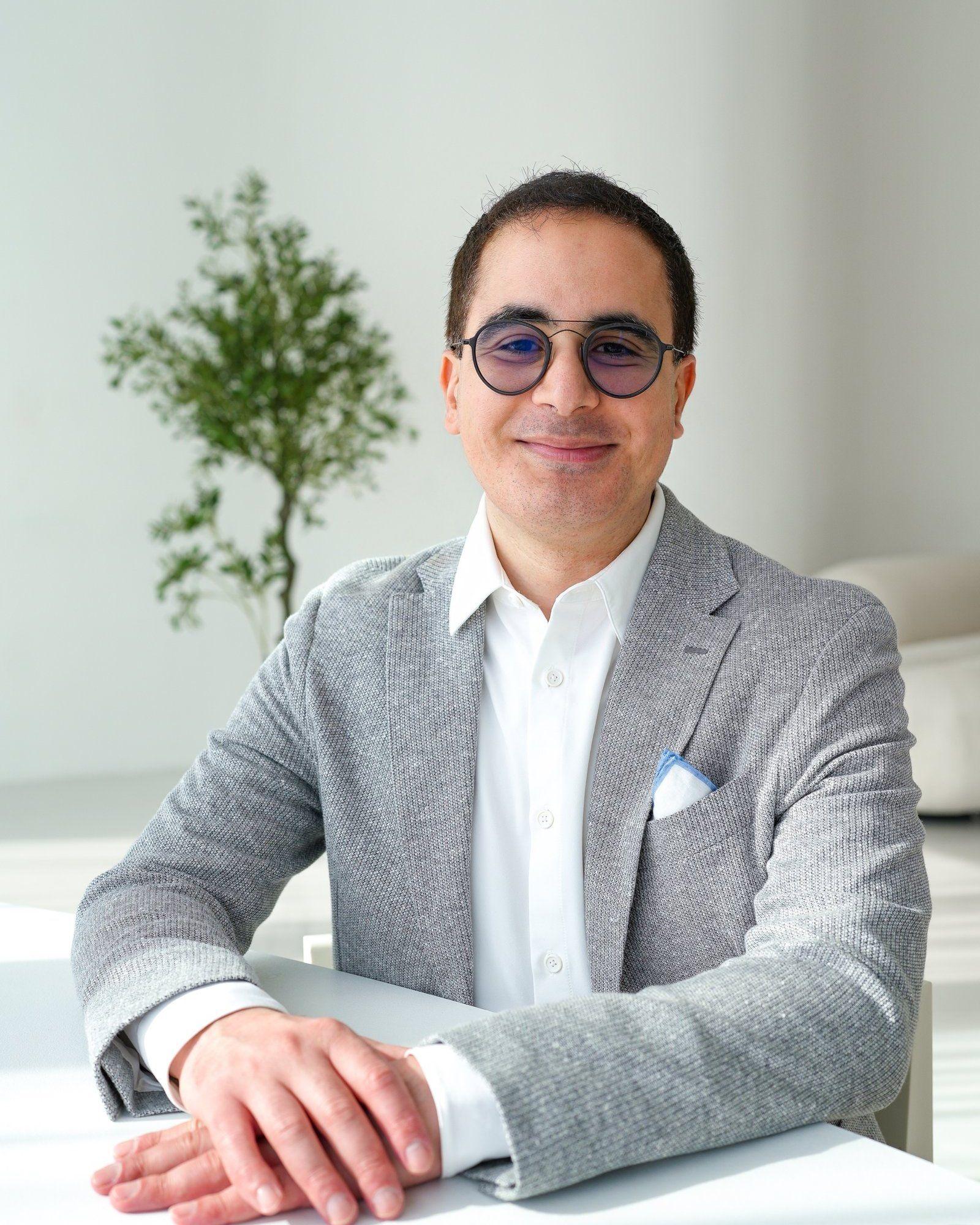
Victor Abou-Ghanem, CEO of STORY Hospitality, the Abu Dhabi-based hotel management arm of Abu Dhabi Capital Group (Image source: STORY Hospitality)Abu Dhabi, UAE - Victor Abou-Ghanem, CEO of STORY Hospitality, says GCC hotel projects should start from the guest and the commercial case rather than from the building, the brand or the star rating, and that tourism growth does not on its own guarantee investment returns.
In this interview with Property News International, he discusses the shifts in GCC hotel demand during 2026, the markets and guest segments he expects to lead in 2027, the demand indicators developers should test before committing to a hotel, and how owners can protect profitability as new supply opens.
STORY Hospitality is an Abu Dhabi-based hotel management company founded more than a decade ago by Abu Dhabi Capital Group, of which it is a subsidiary. It operates hotels and resorts under its STORY and CUE brands, and also manages offices, retail space and apartments in Dubai and Abu Dhabi.
Its portfolio, includes STORY Rabat and STORY Le Carrousel Rabat in Morocco, The H Dubai Hotel, Al Maya Island & Resort near Abu Dhabi, and Fisherman’s Cove Resort and STORY Seychelles on Mahé’s Beau Vallon coast.
In June 2026, the company announced it had joined the Global Hotel Alliance, giving guests access to the GHA DISCOVERY loyalty programme, which has more than 35 million members.
Abou-Ghanem has worked with hotel groups including Rixos Hotels, the Dorchester Collection, Rocco Forte Hotels and Kempinski Hotels, according to the company. He holds an Executive MBA from IE Business School in Madrid and a Bachelor of Science in International Hospitality Management from EHL Hospitality Business School in Lausanne, and is a Certified Management Accountant (CMA) and a Chartered Financial Analyst (CFA).
PNI: Looking at 2026, which changes in GCC hotel demand and performance have been most significant, and what should developers and investors learn from them?
Abou-Ghanem: One of the most important developments we have observed is that hotel demand across the GCC is becoming increasingly diversified, but also more selective. The region continues to benefit from significant investment in tourism infrastructure, international connectivity and destination development. However, the relationship between growing visitor numbers and hotel profitability is becoming more complex.
Markets such as Dubai and Abu Dhabi have demonstrated the importance of building a diversified demand base - combining international leisure travel, corporate business, events and domestic demand. Saudi Arabia is developing its own tourism ecosystem, creating opportunities across different hospitality segments.
What I find particularly interesting is the growing importance of value perception. Guests are increasingly sophisticated. They are willing to spend on quality experiences, but they are also more conscious of what they receive in return. This creates opportunities for well-positioned lifestyle and premium hotels that deliver memorable experiences without unnecessary complexity. For investors, the lesson is straightforward: tourism growth does not automatically translate into investment returns. A successful hotel needs the right positioning, an efficient operating structure and a clear understanding of the demand it intends to capture. Ultimately, at STORY Hospitality we like measuring success not only through occupancy or average room rates, but through profitability, cash flow and long-term asset value.
PNI: As the GCC prepares for 2027, which hospitality markets or guest segments do you expect to offer the strongest opportunities, and what risks should investors monitor?
Abou-Ghanem: I believe the UAE and Saudi Arabia will remain two of the most interesting hospitality investment markets in the region, although for different reasons. The UAE offers an established tourism ecosystem, strong international connectivity and a diversified guest base. In Saudi Arabia, the scale of tourism development presents significant opportunities, particularly as destinations mature and domestic and international travel patterns evolve. From a guest segmentation perspective, I see considerable potential in upscale lifestyle hospitality, family-oriented travel, experiential resorts and properties that successfully combine business and leisure demand. There is also an interesting opportunity in extended-stay accommodation and hospitality components within mixed-use developments. However, investors need to be selective. One of the main risks is developing too much of the same product in the same location. When several projects target identical guest segments with similar facilities and pricing, competition can quickly put pressure on rates and profitability. The strongest opportunities will not necessarily be in the destinations attracting the most investment, but in the projects that identify a genuine gap in the market. That distinction will become increasingly important as new supply enters the region.
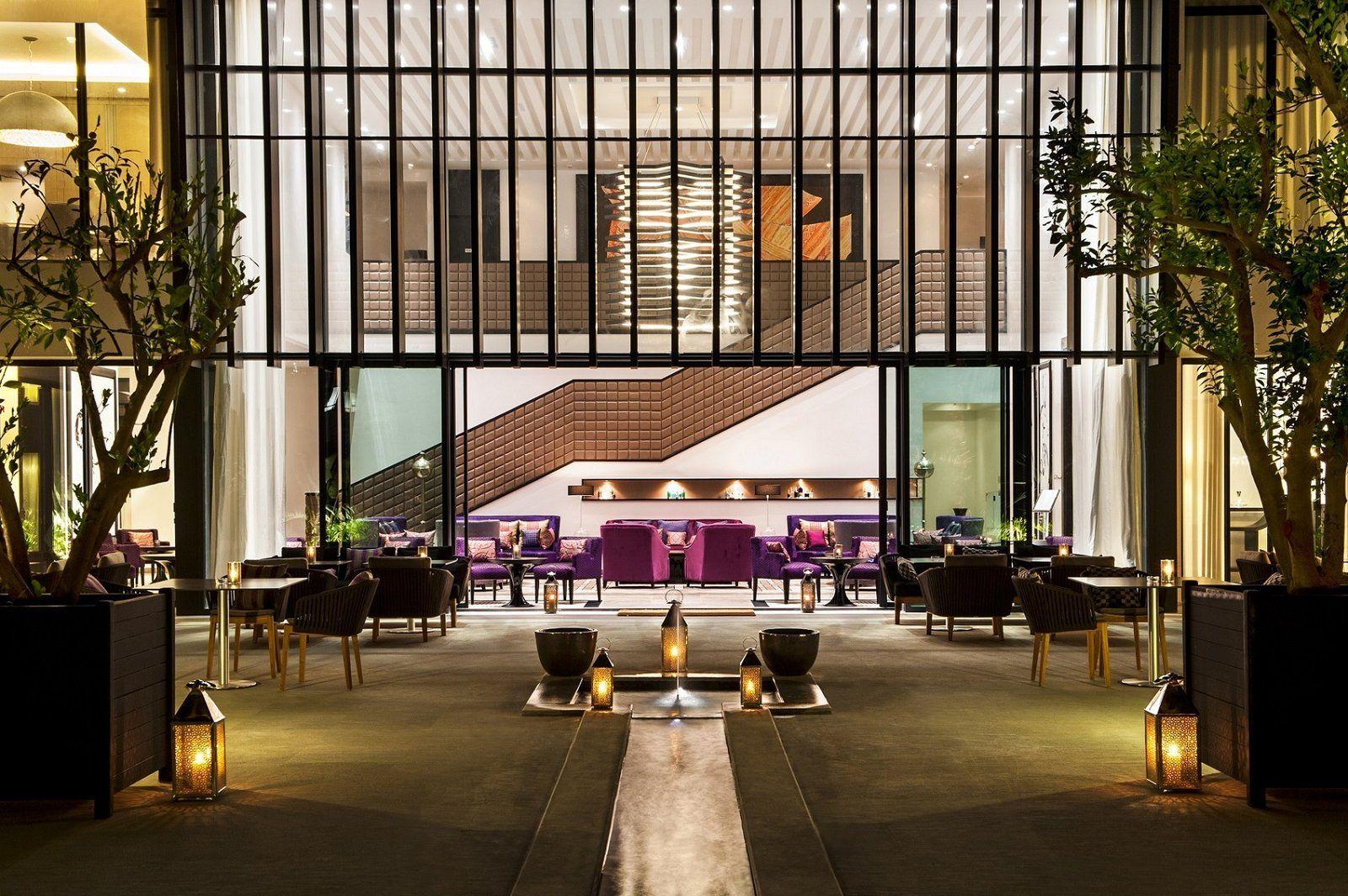
Courtyard and lounge at STORY Rabat, the company’s hotel in Morocco’s capital (Image source: STORY Hospitality)PNI: You have argued for more demand-intelligent hotel development. What does that mean in practice, and where do conventional development approaches most often fall short?
Abou-Ghanem: For me, demand-intelligent development means starting with the customer and the commercial opportunity rather than the building. Traditionally, some hotel projects have been conceived around a particular architectural vision, a prestigious brand or a predetermined star classification. The commercial strategy is then developed around those decisions. I believe we should approach it the other way around. Before deciding what to build, we need to understand who will stay there, why they will choose that particular location, how much they are prepared to spend and what experiences they actually value. Yet we still see projects incorporating extensive facilities simply because they are associated with a certain hotel category, without fully assessing whether those facilities will generate sufficient demand or justify their operating costs.
PNI: Before committing to a new hotel, which demand indicators should developers test beyond visitor arrival forecasts and headline occupancy figures?
Abou-Ghanem: Visitor arrivals are useful, but they only tell part of the story. What really matters is understanding how that demand translates into hotel nights, spending patterns and ultimately profitability. We start by examining the composition of demand. How much comes from corporate travellers, leisure guests, families, groups or extended-stay visitors? What are their average lengths of stay, booking windows and seasonal patterns? We also need to understand where demand originates, how accessible the destination is and whether the market depends heavily on a limited number of source countries or major events. Another critical consideration is the competitive pipeline. A market may demonstrate strong occupancy today, but if substantial new supply is scheduled to open over the next few years, the investment assumptions could change considerably. Beyond traditional indicators such as ADR and RevPAR, I would pay particular attention to customer acquisition costs, distribution channels, total revenue per guest and gross operating profit. At STORY Hospitality, we believe that understanding the economics behind demand is just as important as understanding its volume.
PNI: How should hotel developers determine the right location, room mix, facilities and price positioning for a project rather than relying on a standard luxury formula?
Abou-Ghanem: The starting point should always be the destination and the guest profile. A hotel in a major business district, for example, may benefit more from efficient room layouts, strong connectivity, flexible meeting facilities and a compelling food and beverage offering than from extensive leisure infrastructure. A resort targeting families will require a completely different approach, particularly regarding room configurations, recreational facilities and the overall guest journey. Developers should also evaluate how each sqm contributes to the guest experience and the financial performance of the asset. We sometimes see considerable investment allocated to facilities that look impressive but remain underutilized for much of the year. That capital could potentially deliver better returns if invested in room quality, technology, service or revenue-generating experiences. This is particularly relevant to our approach at STORY Hospitality. Luxury should never be confused with unnecessary expenditure. The objective is to invest in what guests genuinely value and what creates sustainable returns for owners.
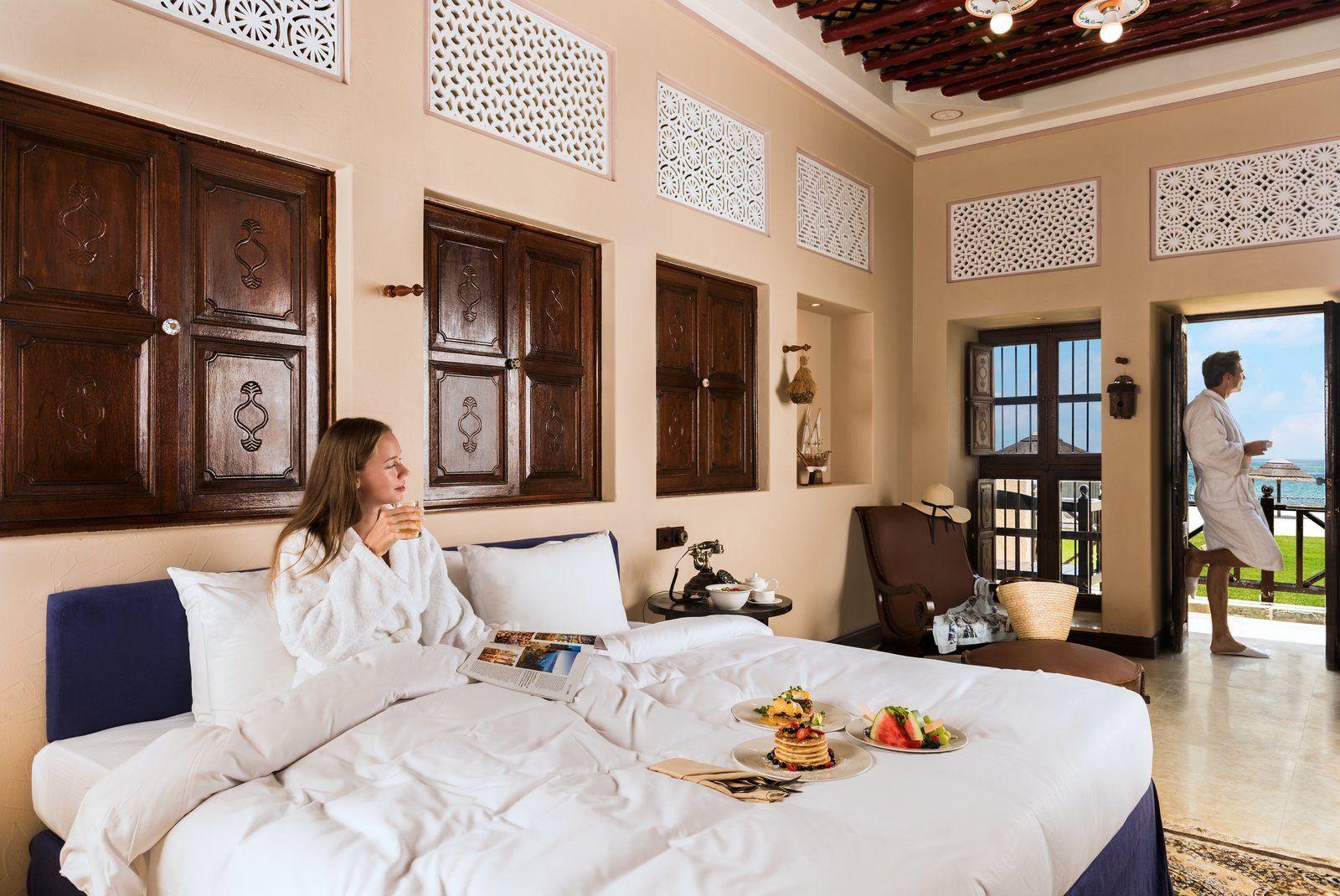
A guest room at Al Maya Island & Resort near Abu Dhabi, one of the properties in the STORY Hospitality portfolio (Image source: STORY Hospitality)PNI: With new hotel supply entering GCC markets, how can owners and operators protect profitability while responding to changing guest expectations and operating costs?
Abou-Ghanem: I think the industry needs to move beyond the traditional approach of managing occupancy and room rates in isolation. Protecting profitability requires a much broader understanding of the business, particularly as competition increases and operating costs remain under pressure.
One important priority is distribution. Hotels need to strengthen their direct booking capabilities, customer relationships and revenue management strategies. Generating additional revenue is important but understanding how much it costs to acquire that revenue is equally critical.
Technology also has an increasingly important role. AI-supported forecasting, intelligent pricing, workforce planning and digital guest services can help operators make better decisions and improve productivity. However, technology should support hospitality, not replace it, as this business remains fundamentally about people.
At STORY Hospitality, we also place considerable emphasis on food and beverage, wellness and experiences that connect our properties with their local communities. These can create additional revenue opportunities while making a hotel less dependent on room sales alone.
Sustainability is another important part of the equation. Energy efficiency, water management and waste reduction are not simply environmental commitments; they are practical ways to improve operating performance and protect asset value.
The objective is not to reduce costs at the expense of the guest experience. It is to eliminate inefficiencies while investing in the elements that make guests return.
PNI: Looking ahead to 2027 and beyond, how is STORY Hospitality adapting its development and operating strategy, and what would you advise investors considering new GCC hotel projects?
Abou-Ghanem: Our approach is built around disciplined growth, strong owner relationships and the ability to adapt our hospitality concepts to the characteristics of each destination.
At STORY Hospitality, we have ambitious expansion plans, but we are very selective about the projects we take on and, equally importantly, the partners we choose to work with. Unlike some of the larger hotel groups, our objective is not to grow simply for the sake of adding more properties to our portfolio. We would rather manage fewer hotels that are strategically aligned with our brands and where we can genuinely add value than pursue expansion at any cost.
As an Abu Dhabi-based hospitality management company with an investment-oriented background, we understand that owners are not simply looking for an attractive hotel brand. They are looking for a trusted operating partner who understands asset performance, profitability and long-term value creation. For us, choosing the right partners, with whom we share a common vision and long-term objectives, is just as important as choosing the right location or project.
Operationally, we continue to focus on digital transformation, revenue optimisation, sustainability and developing our teams. We believe these capabilities will become increasingly important as the regional hospitality landscape grows more competitive. For investors considering new GCC projects, my advice would be to involve the operator from the earliest stages, challenge conventional assumptions and avoid developing a hotel simply because a particular category is performing well elsewhere. Every destination has its own demand dynamics, and every investment needs a clear commercial rationale.
The GCC has tremendous long-term hospitality potential, but we believe sustainable growth is about making the right decisions, not simply growing bigger. At STORY Hospitality, we measure success by the quality of our partnerships, the performance of our properties and the long-term value we create for our owners.
PNI: Is there anything else you would like to share that we have not covered in these questions?
Abou-Ghanem: One point I would emphasise is that the hospitality industry needs to rethink how we define a successful development. For many years, the conversation has focused heavily on investment volumes, the number of new hotel rooms and the arrival of international brands. These are important indicators of market confidence, but they do not necessarily tell us whether the right assets are being created. I believe the next stage of hospitality development in the GCC should focus more on the quality of investment decisions.
We need hotels that respond to genuine market needs, operate efficiently, integrate naturally into their destinations and remain commercially relevant over time. This also means recognising that hospitality is increasingly connected to the wider real estate ecosystem. A well-positioned hotel can contribute significantly to the attractiveness of a mixed-use development, support surrounding businesses and create value beyond its own operating performance.
The future of hospitality investment is not about building more. It is about building better, operating smarter and creating assets that remain relevant long after their opening.

The five schemes will carry the Address, Palace and Vida brands on waterfront sites.

The one- and two-bedroom homes sit on the forest edge and target first-time buyers.

The 51,000 sq m waterfront scheme on Reef Island is expected to take three years to develop.

Tommy Fleetwood hit the first shots on the 18-hole course designed by Peter Harradine.