The redevelopment of Umm Suqeim Beach marks one of the most significant public realm investments in Dubai’s established coastal fabric in recent years. Backed at leadership level and focused on improving access, amenities and everyday usability, the project reflects a broader shift in how the city approaches its mature neighbourhoods.
Rather than creating entirely new waterfront destinations, Dubai is increasingly investing in areas that already play a central role in daily life. For residential markets, this signals an important evolution: public beach infrastructure is being treated as long-term urban infrastructure, closely linked to liveability, buyer behaviour and sustained residential demand.
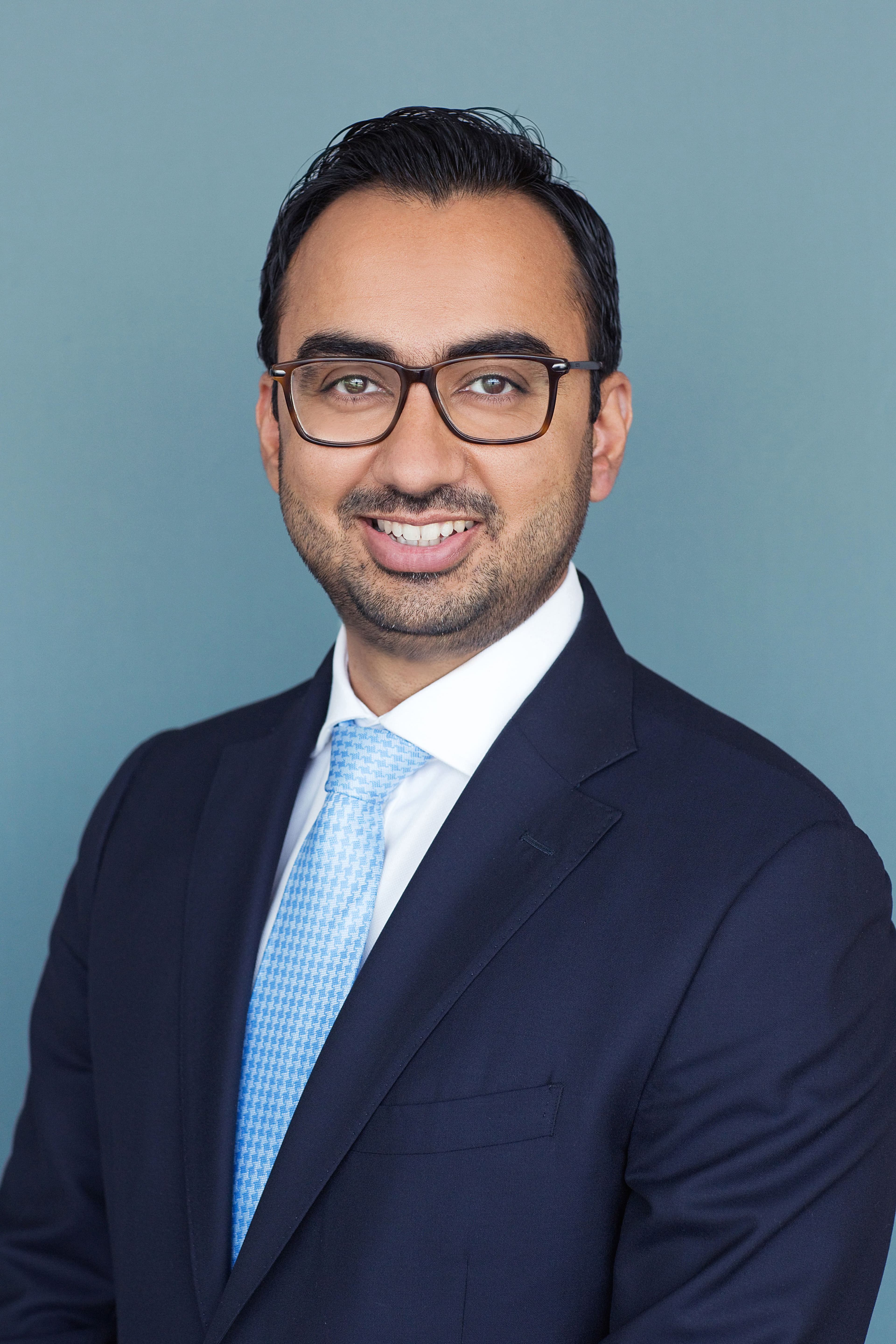
Drawing on experience across real estate strategy and market advisory in the region, Shehzad Jamal, Partner – Real Estate Consultancy at Knight Frank MENA, shares insights into what the Umm Suqeim Beach redevelopment reveals about Dubai’s strategic direction and its impact on established coastal communities.
Read more: Sheikh Hamdan Approves $136.1m Umm Suqeim Beach Redevelopment Plan
What does the Umm Suqeim Beach redevelopment tell us about Dubai’s strategic direction?
With the plan backed by His Highness Sheikh Hamdan bin Mohammed bin Rashid Al Maktoum, the Umm Suqeim Beach redevelopment points to a clear focus on investing in parts of the city that are already central to daily life. Umm Suqeim is one of Dubai’s most heavily used public beaches, and the scale of the project, extending across more than three kilometres of coastline, signals a long-term commitment rather than a cosmetic upgrade.
More broadly, it aligns with Dubai’s ambition to expand and enhance its public beaches over time, with a longer-term outlook toward 2040. From a strategic perspective, this reflects an understanding that accessible, high-quality coastline is core urban infrastructure, directly supporting liveability and the city’s long-term competitiveness.
How does a redevelopment of this scale affect established residential areas like Umm Suqeim and Jumeirah?
In established neighbourhoods, projects like this tend to change how people experience the area day to day rather than creating a sudden spike in interest. Increasing the amount of usable beach space and improving access makes a real difference for residents who already live nearby and use the area regularly.
From a residential point of view, proximity to a well-run public beach remains a major factor for long-term buyers, particularly families. When upgrades are planned to handle higher levels of use, with better access and supporting infrastructure, it helps those neighbourhoods continue to function well as places to live. That’s how areas like Umm Suqeim stay competitive alongside newer coastal developments that are designed with modern infrastructure from the outset.
What does this project tell us about how Dubai is linking public beach investment with residential demand over the longer term?
What stands out is the scale of planning behind it. The redevelopment is being planned to accommodate high levels of year-round use, alongside expanded access and supporting infrastructure. This suggests a shift toward viewing public beaches as active, everyday urban assets rather than seasonal amenities.
For residential markets, that matters. Buyers don’t just look at where a home is, they look at how the surrounding environment works on a daily basis. When public beaches are accessible, well managed, and able to handle sustained use without losing quality, they strengthen the appeal of nearby residential areas. Over time, this kind of investment helps anchor demand in mature neighbourhoods by improving everyday liveability, not by changing their character.