At the heart of the new approvals is a pioneering urban planning model for citizens’ residential areas, introduced in line with the Year of the Family and the Dubai Social Agenda 33. The model sets out a forward-looking framework for designing future neighbourhoods that promote sustainable living, social stability, and long-term community wellbeing.
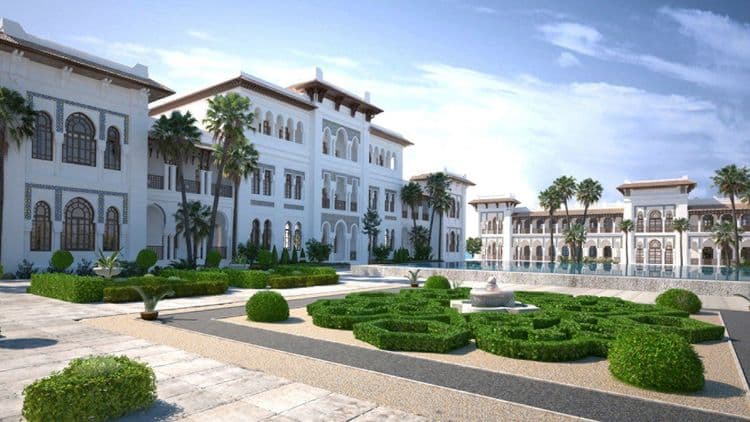
The new planning approach introduces innovative concepts to elevate residential environments to the highest global standards while reinforcing family cohesion and social integration. It aligns with the objectives of Dubai Urban Plan 2040 and revives the traditional concept of the Fareej by creating vibrant, interconnected community clusters that prioritise social interaction and shared spaces.
Active mobility forms a central pillar of the new model, with shaded pedestrian routes linking residential areas to service centres, alongside dedicated paths for walking, running, and cycling to promote healthy lifestyles. Public spaces will play an expanded role through the transformation of parks and squares into dynamic social and cultural hubs, fostering community participation and strengthening social bonds.
The objective is to enhance the overall attractiveness of residential areas while deepening residents’ sense of belonging, comfort, and quality of life through well-designed environments that encourage daily interaction and shared experiences.
Major green infrastructure expansion across Madinat Latifa and Al Yalayis
Under the new model, Dubai will introduce 152 parks across Madinat Latifa and Al Yalayis, ensuring that residents are within a maximum walking distance of 150 metres from a public green space. More than 33 kilometres of new cycling tracks will be developed alongside interconnected pedestrian routes and central parks featuring recreational, cultural, and leisure facilities. Community majlis and wedding halls will also form part of the integrated neighbourhood infrastructure.
The initiative directly supports the 20-Minute City concept, with community parks designed as an interconnected network of green spaces at the heart of residential districts.
In Madinat Latifa, approximately 11 percent of land will be dedicated to green and open spaces, supported by 12 kilometres of interconnected pedestrian and cycling routes. The area will feature a comprehensive mix of services including schools, early childhood centres, mosques, healthcare facilities, and commercial hubs. The wider masterplan envisions an area of approximately 3,000 hectares accommodating 141,000 residents, with 18,500 residential units and 77 parks.
In Al Yalayis, the model introduces a continuous green corridor linking residential neighbourhoods with recreational, service, and commercial zones to create a fully integrated urban environment. The area’s development framework spans 1,108 hectares and is designed to accommodate 66,000 residents, supported by 8,000 residential unit plots and 75 parks.
Digital Resilience Policy strengthens Dubai’s digital economy
The Executive Council also approved the Digital Resilience Policy, a comprehensive and proactive framework aimed at safeguarding Dubai’s digital government, economy, and society. The policy aligns with the Dubai Resilience Strategy and complements the Digital Transformation Strategy, which focuses on simplifying daily life and strengthening the digital economy through advanced technologies including artificial intelligence.
The policy ensures the continuity of digital services, strengthens system and infrastructure protection, safeguards critical digital assets, and enhances leadership dashboard indicators. Built around preparedness, response, recovery, and transformation, it reduces response times, optimises infrastructure availability, and ensures uninterrupted digital operations.
The framework also strengthens public-private sector coordination to protect essential digital assets such as data centres, cloud platforms, networks, and end-user devices. Through structured communication mechanisms, governance frameworks, and performance indicators, the policy reinforces Dubai’s commitment to digital trust, cybersecurity leadership, and economic resilience.
Executive Council approves 2026 strategic agenda
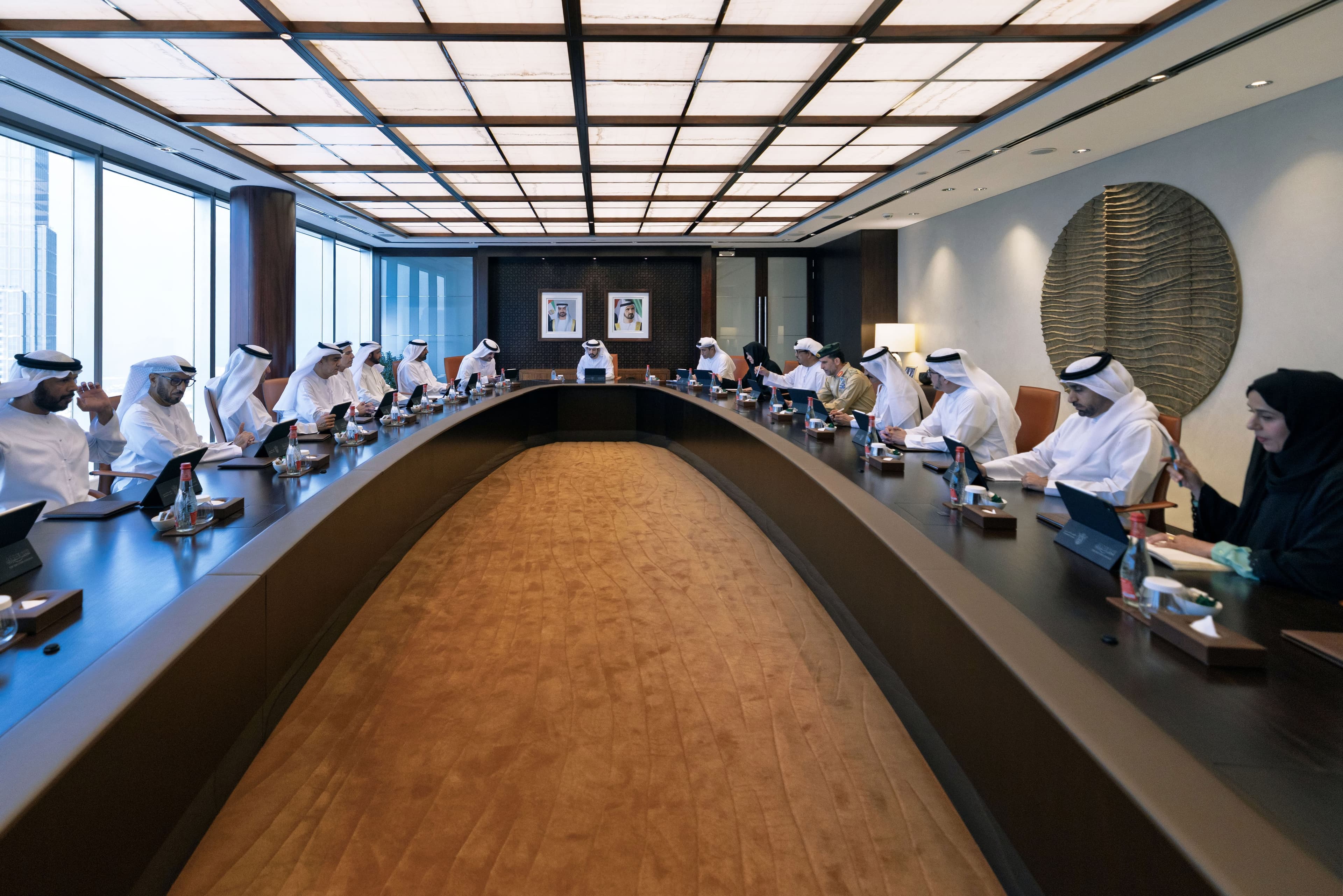
The Executive Council also reviewed progress achieved under the 2025 agenda and approved the 2026 plan, which focuses on implementing Dubai Plan 2033 priorities across economic and social development. The agenda spans critical sectors including infrastructure, social development, entrepreneurship, investment, security, justice, safety, public services, and digital governance.
Together, the newly approved residential planning model, digital resilience framework, and strategic agenda reinforce Dubai’s position as a global leader in people-centric urban development, future-ready infrastructure, and resilient digital governance.