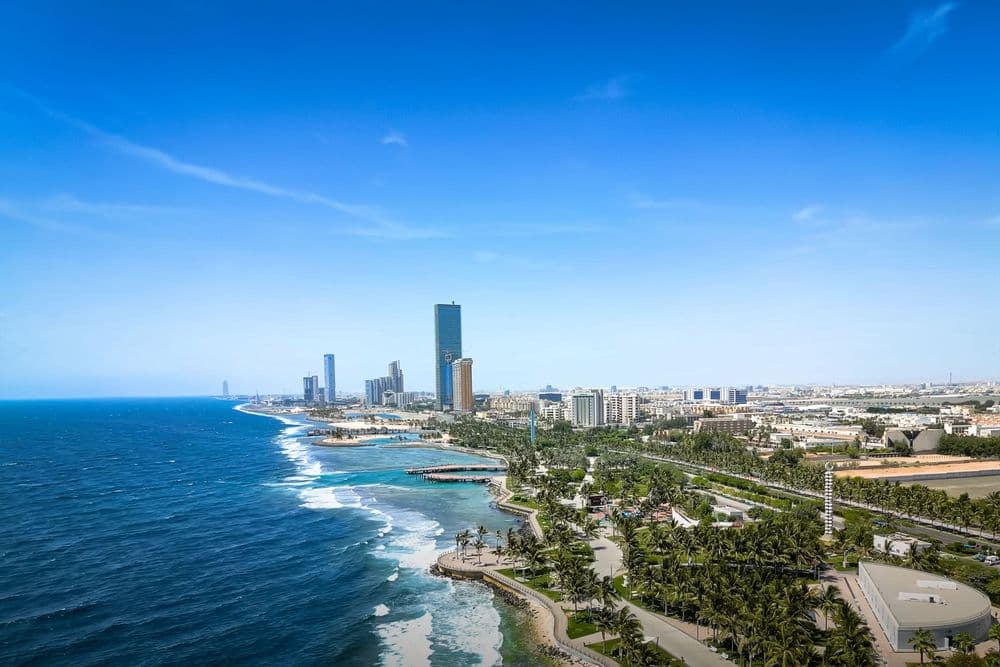
Jeddah, Saudi Arabia: Jeddah is entering a new phase of healthcare expansion as rising demand, demographic change and rapid urbanization create significant opportunities for private investment, according to Knight Frank’s latest white paper, Healthcare in Saudi Arabia: Opportunities in Jeddah. The report highlights that healthcare infrastructure has not kept pace with the city’s population growth, signalling substantial room for new hospitals, day-surgery centres and long-term care facilities.
With 1.8 hospital beds per 1,000 residents, excluding quasi-government facilities, Jeddah remains below the national average of 1.9 and the global benchmark of 2.9. To reach international standards, the city will need approximately 4,100 additional beds by 2030.
Growing Pressure on Capacity Across the City
The imbalance is most evident in eastern Jeddah, where residents rely heavily on primary care clinics due to limited hospital options. In contrast, the northern districts are projected to see an oversupply of around 620 beds by 2030, although top-tier hospitals in the area continue to operate at approximately 75% occupancy, reflecting strong ongoing demand.
Shehzad Jamal, Partner – Real Estate Consultancy, MENA, noted:
“Jeddah is experiencing not just growth in numbers but a real shift in how people access and experience healthcare. The city is moving beyond the traditional hospital model. There is rising demand for neighbourhood-based services, for long-term and specialist care, and for facilities that blend technology and human connection. For investors, this changing landscape represents an opportunity to create new capacity and improve patient outcomes in Jeddah’s communities.”
Private Sector Leading the Expansion
Private operators currently manage 67% of Jeddah’s inpatient capacity, the highest share in Saudi Arabia, making the private sector central to the city’s healthcare evolution. Major hospitals operate at around 70% occupancy, while long-term care facilities exceed 90%, driving confidence among investors and accelerating expansion plans.
Several leading providers are increasing capacity in the north, while mid-market operators are increasingly targeting underserved eastern districts.
One notable example is the transformation of Al Salama Hospital, which relaunched in 2024 with a strategy focused on "humanising patient care." Following the redesign of its patient journey and investment in digital systems, the hospital now operates 204 beds and recorded the highest inpatient experience score in Saudi Arabia in a survey of more than 400,000 patients.
Demographic Shifts Increasing Demand for Specialist and Long-Term Care
Jeddah’s population is set to rise from 3.8 million to nearly 5 million by 2040, driven by continued urbanisation and new housing supply. The demographic mix is also shifting quickly:
- The 65+ population is expected to grow 2.3 times by 2040
- The 40–64 age group is projected to grow by around 50%
Dr. Gireesh Kumar, Associate Partner – Healthcare Advisory, MENA, said:
“This demographic transition is already reshaping healthcare demand. As lifestyle-related and chronic conditions such as cardiovascular disease and diabetes drive most hospital admissions, we expect to see healthcare providers moving away from acute care models and investing in preventative, rehabilitative and community-based services to meet the city’s long-term needs.”
Long-Term Care: One of Jeddah’s Most Pressing Needs
Knight Frank estimates Jeddah will require 2,400 additional long-term care beds by 2040, the equivalent of 14 new specialised facilities. Investor interest in this segment is rising, with new models emerging such as rehabilitation centres, home-based recovery solutions and integrated care campuses designed to reduce pressure on acute-care hospitals.
Urban Megaprojects Creating New Healthcare Catchments
Since 2016, over USD 134 billion has been invested into Jeddah’s real estate and infrastructure, establishing entirely new communities and commercial hubs.
Major projects including Jeddah Central, Marafy, Al Arous, and significant residential developments led by the National Housing Company are expected to deliver:
- 119,000 new homes
- 1.5 million sqm of office space
- 1.5 million sqm of retail space
- Nearly 4,700 hotel keys by 2030
Upcoming infrastructure, such as the Jeddah Metro and the expansion of Jeddah Islamic Port—will further enhance connectivity, enabling new healthcare delivery models in areas previously underserved.
Dr. Kumar added:
“Jeddah’s urban transformation is creating entirely new healthcare catchments. These large-scale developments are creating opportunities for integrated community healthcare that places hospitals, clinics and wellness facilities at the heart of well-connected neighbourhoods. Aligning healthcare delivery with urban development will be key to ensuring Jeddah’s long-term, sustainable growth.”
A Sector Set for Continued Growth
As the city grows, healthcare will remain one of Jeddah’s most resilient investment sectors. A shift toward specialised facilities, diversified service models and community-based care is expected to define the next decade.
Jamal concluded:
“Jeddah’s healthcare landscape is shifting from traditional hospital-based systems to a more diversified network of specialised facilities. This will require new investment models and closer integration between healthcare and the built environment. The next decade will be defined by how well providers respond to changing demographics. There is a big opportunity to create infrastructure that not only meets demand but sets new standards for wellbeing and sustainability.”