Property News International

Change region:

GlobalcheckMiddle East

Subscribe to Our Newsletter

Sign up to receive the latest tech news and updates from Property News International straight to your inbox.

By signing up, you will receive emails about property news products and you agree to our terms of use and privacy policy.

@2026 Property News International. All Rights Reserved.

Blends Media
A Blends Media Group Production

Imed Mlayeh and the Evolution of Modern Facility Management

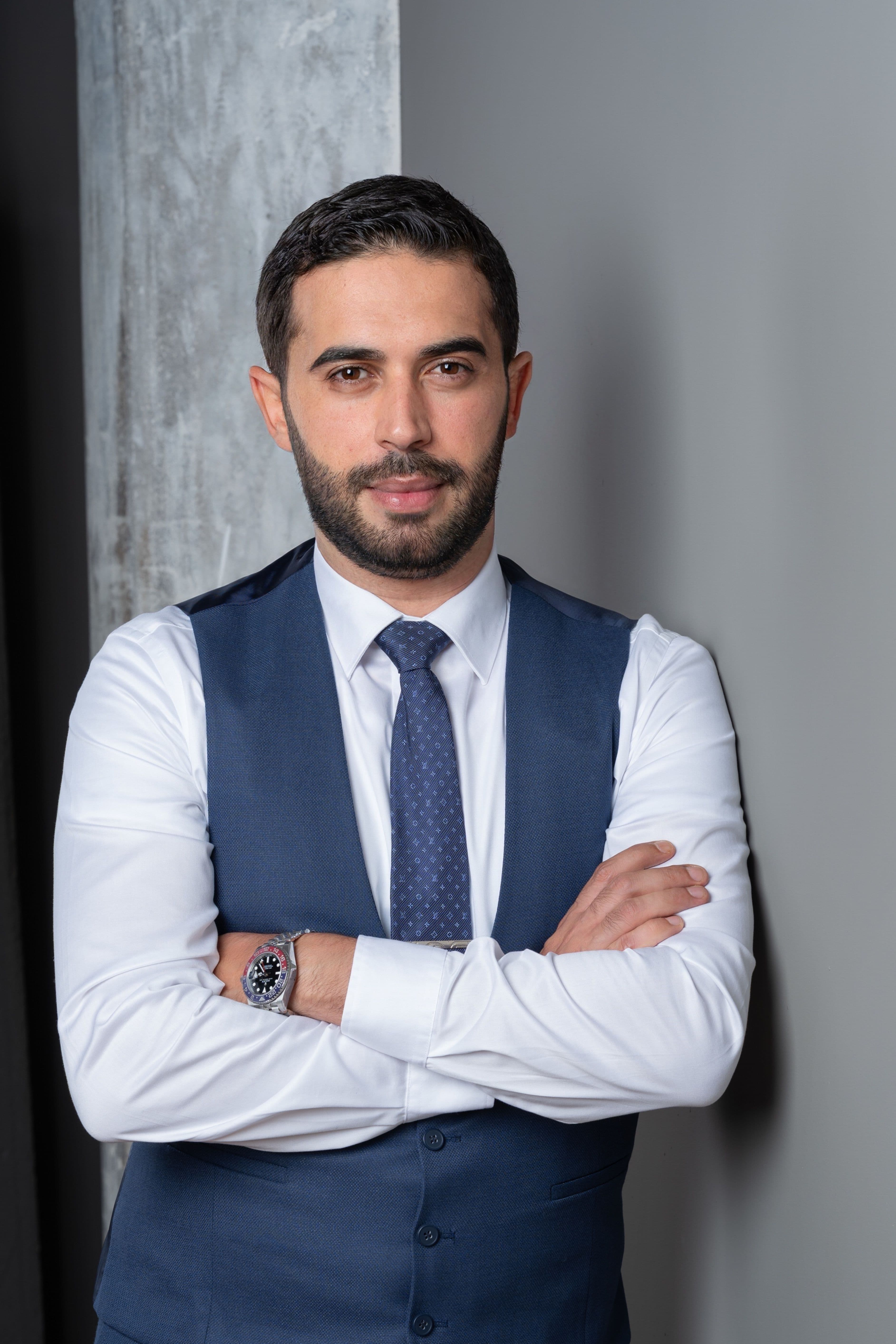
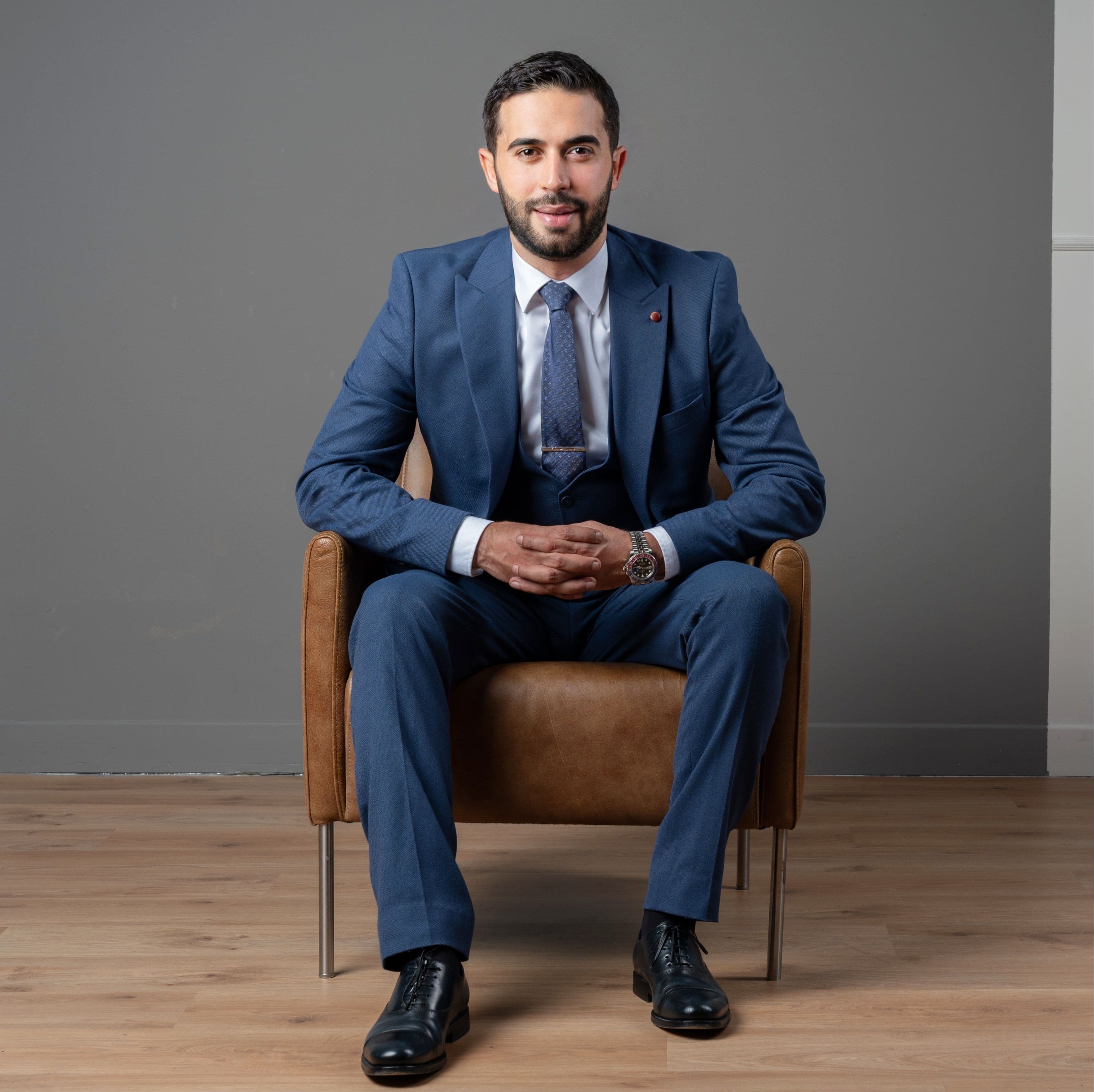
Imed MlayehImed Mlayeh - General Manager of Master Heat Facilities Management

The story of modern real estate does not end when construction is completed. While architectural design, engineering excellence, and ambitious development strategies often dominate headlines, the long-term success of any asset is ultimately determined by what happens after handover. The performance of a residential community, a luxury hotel, a commercial tower, or a mixed-use destination depends on countless operational details that must work seamlessly every day. It is within this critical but often overlooked stage of the asset lifecycle that facility management has emerged as one of the most important disciplines shaping the future of the built environment.

Property News International speaks with Imed Mlayeh, the head of Master Heat about the evolution of facility management in the region and its importance in asset management.

As the UAE continues to establish itself as one of the world’s most dynamic real estate markets, expectations surrounding operational performance have evolved significantly. Developers, investors, and property owners are no longer evaluating assets solely on their location or design credentials. Increasingly, value is being measured through efficiency, sustainability, tenant satisfaction, asset preservation, and long-term operational resilience. The organisations responsible for delivering these outcomes have become strategic partners rather than service providers, playing a direct role in protecting investments and enhancing user experiences.

Few executives have witnessed this transformation as closely as Imed Mlayeh, General Manager of Master Heat Facility Management. Over the past several years, he has overseen the company’s evolution from a growing facilities management provider into one of the UAE’s most ambitious integrated service organisations. Under his leadership, Master Heat has expanded its workforce to more than 3,200 professionals while significantly increasing the scale and complexity of its operations, supporting projects across residential, commercial, hospitality, retail, and mixed-use sectors.

Master Heat

The growth of Master Heat reflects more than the success of a single company. It mirrors the broader evolution of the facility management industry itself; an industry that is increasingly defined by innovation, digital transformation, sustainability, and a growing recognition of the role operational excellence plays in the long-term success of real estate assets.

For Imed, facility management has always been about creating value beyond maintenance. His vision has centred on the belief that buildings should not simply function; they should perform at the highest possible level throughout their lifecycle. Achieving this requires a comprehensive understanding of how technical infrastructure, customer experience, operational efficiency, and human expertise intersect to create environments where people can live, work, and interact comfortably and safely.

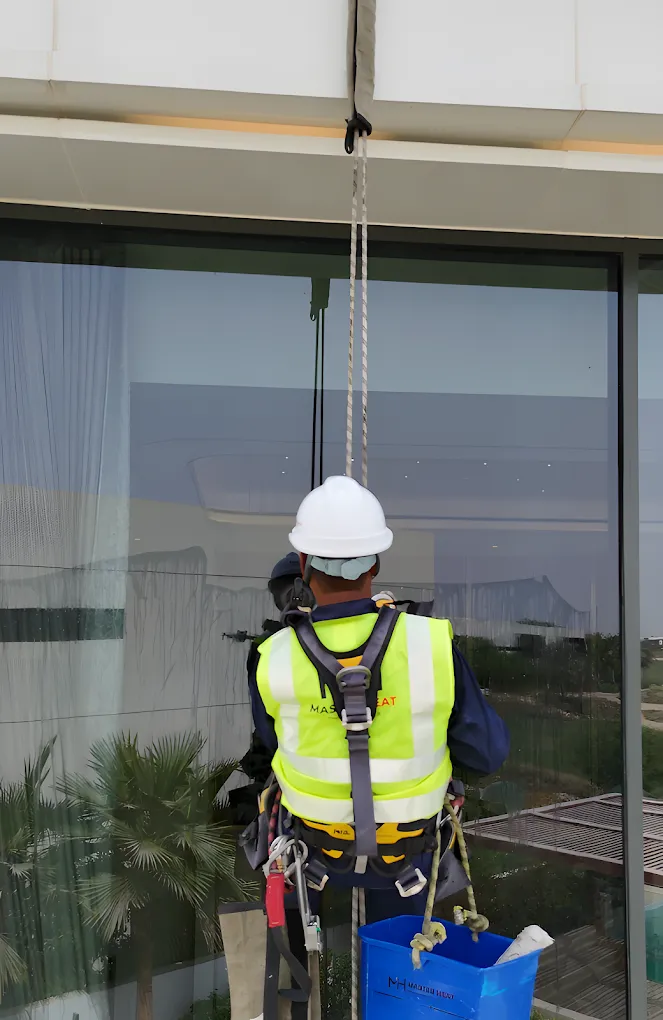
This philosophy has shaped the strategic direction of Master Heat since he assumed leadership of the organisation. Rather than focusing solely on traditional maintenance services, the company has adopted an integrated approach that enables clients to access a broad range of operational solutions through a single partner. From technical engineering services and mechanical, electrical and plumbing maintenance to hospitality support, security operations, façade maintenance, construction works, fit-out projects, and asset enhancement programmes, Master Heat has built a diversified service ecosystem designed to support every stage of a building’s lifecycle.

The company’s growth trajectory has been particularly notable during a period when the UAE’s real estate sector has experienced unprecedented expansion. Across Dubai and Abu Dhabi, new communities continue to emerge, hospitality assets are becoming increasingly sophisticated, and mixed-use developments are redefining how people experience urban living. These projects are often characterised by complex infrastructure, advanced technologies, and high expectations from residents, guests, tenants, and investors. As a result, the role of facility management has become significantly more strategic than it was a decade ago.

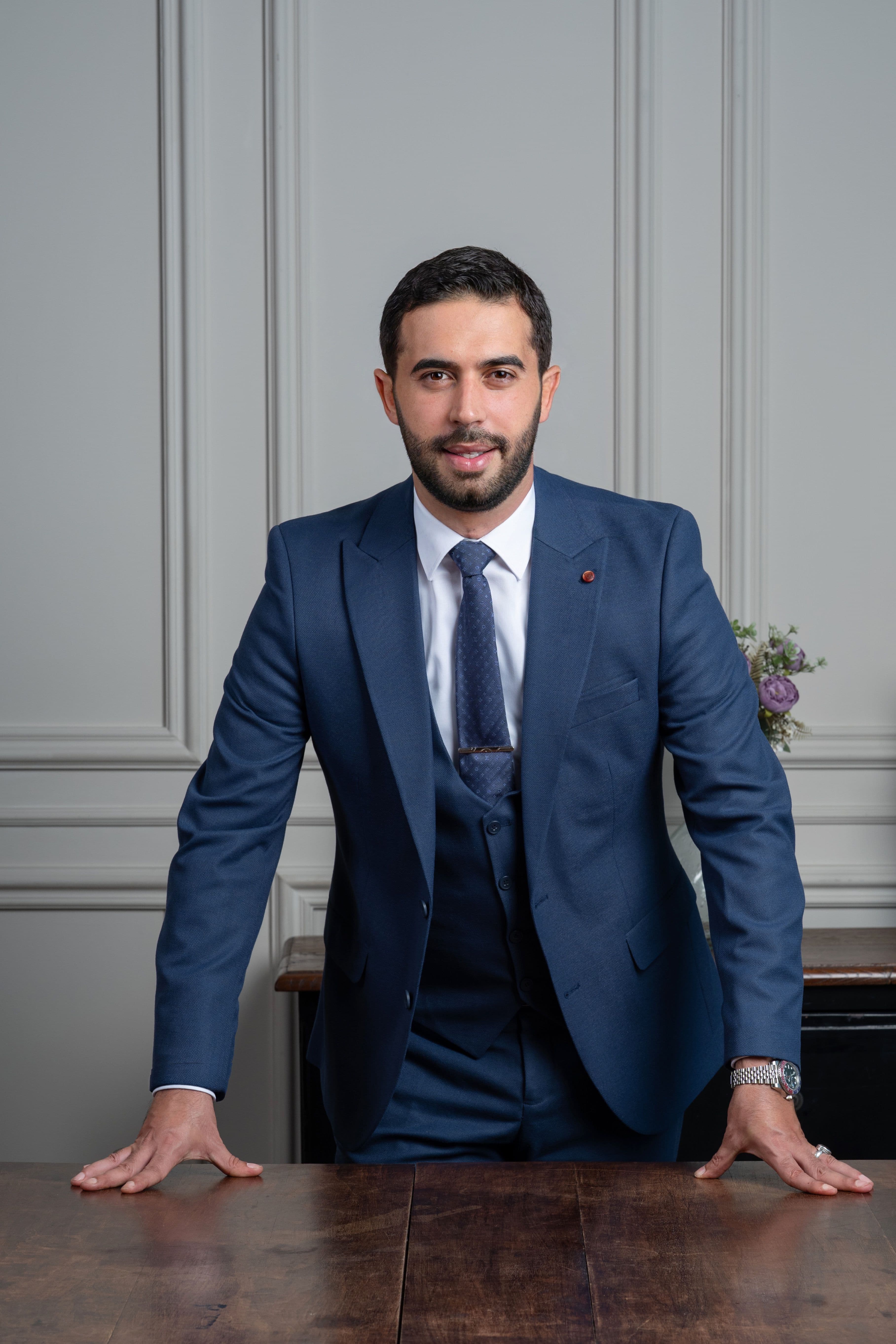
Imed Mlayeh

Developers today understand that the long-term success of a project depends not only on how it is designed and constructed but also on how it is maintained and operated. The quality of facility management directly influences asset value, occupancy rates, operational costs, and customer satisfaction. In an increasingly competitive marketplace, these factors have become critical differentiators.

Master Heat’s approach has been built around this reality. Rather than positioning itself as a contractor focused on isolated services, the company has developed a model that integrates multiple operational disciplines under a unified management framework. This enables clients to benefit from greater efficiency, clearer accountability, and improved coordination across all aspects of building operations.

At the core of this model is a strong technical foundation. The company’s engineering and maintenance divisions are responsible for supporting some of the most critical systems within modern buildings, ensuring that mechanical, electrical, plumbing, HVAC, and infrastructure assets operate efficiently and reliably. Preventive maintenance programmes, lifecycle planning, and proactive asset management have become increasingly important as developers seek to maximise the longevity and performance of their investments.

However, the modern facility management landscape extends far beyond technical maintenance. User experience has become an equally important consideration, particularly within hospitality, residential, and mixed-use environments. This has led to growing demand for integrated soft services, including cleaning, housekeeping, public area management, waste management, landscaping, concierge support, and other operational functions that contribute directly to occupant satisfaction.

Recognising this shift, Master Heat has developed comprehensive capabilities across both hard and soft services, enabling the company to deliver holistic solutions tailored to the specific requirements of each asset class. Whether supporting a luxury hospitality destination, a residential community, or a commercial development, the objective remains consistent: creating environments that operate efficiently while delivering exceptional experiences for the people who use them.

Master Heat

The hospitality sector provides a particularly compelling example of this approach. Luxury hotels operate within highly competitive environments where guest expectations continue to rise. In such settings, operational excellence is not simply desirable; it is essential. Every aspect of the guest journey is influenced by facility management, from the reliability of building systems and the cleanliness of public spaces to security operations and behind-the-scenes engineering support.

Master Heat’s growing presence within the hospitality sector reflects its ability to deliver these standards consistently. Through a combination of technical expertise, service-driven culture, and operational discipline, the company has established itself as a trusted partner for hotel operators seeking to maintain world-class environments.

The same principles apply across residential communities, where facility management plays an increasingly important role in shaping quality of life. Residents today expect more than functional buildings. They expect responsive service, well-maintained communal areas, efficient maintenance support, and secure living environments. As communities continue to expand in size and complexity, integrated facility management becomes essential to ensuring these expectations are met.

One of the most significant factors shaping the future of the industry is technology. Across the global built environment, digital transformation is changing how buildings are monitored, maintained, and managed. Artificial intelligence, predictive maintenance platforms, automation systems, and data analytics are creating new opportunities to improve operational efficiency while reducing costs and enhancing user experiences.

Under Imed’s leadership, Master Heat has embraced innovation as a fundamental component of its growth strategy. Rather than viewing technology as a standalone initiative, the company has focused on integrating digital solutions into its operational framework in ways that create tangible value for clients.

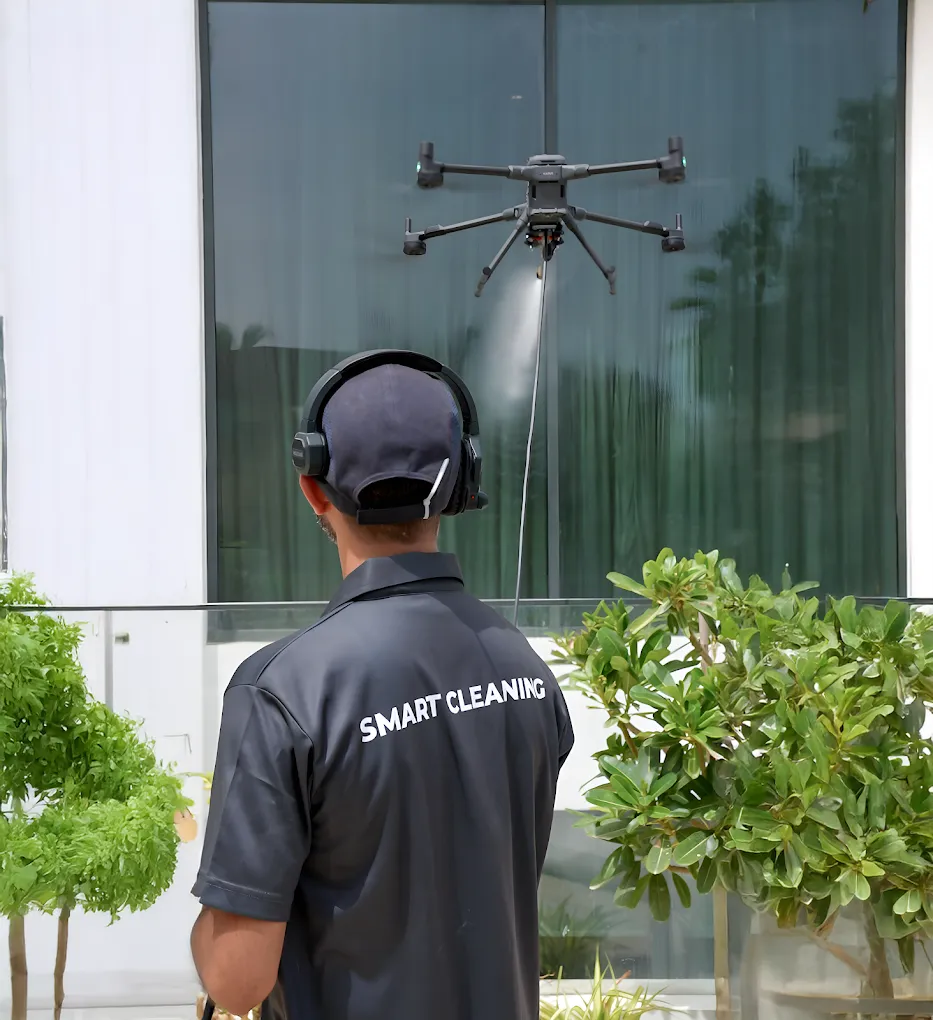
This includes the adoption of AI-powered operational tools, predictive maintenance methodologies, and intelligent service management systems designed to improve responsiveness and resource allocation. The company has also explored advanced solutions such as AI-powered valet operations and innovative façade maintenance technologies, reflecting its commitment to staying ahead of evolving industry requirements. Yet despite the increasing role of technology, Imed remains convinced that people will continue to define success within the facility management sector. Buildings may become smarter, systems may become more automated, and data may become more sophisticated, but exceptional service delivery ultimately depends on the expertise, commitment, and professionalism of the individuals responsible for managing these environments.

This belief has been central to Master Heat’s organisational culture. As the company expanded, significant emphasis was placed on workforce development, leadership training, and employee engagement. Building a workforce of more than 3,200 professionals requires more than operational processes; it requires creating a culture where individuals understand the importance of their contribution and are empowered to take ownership of outcomes.

For Imed, leadership is closely linked to responsibility. Every member of the organisation plays a role in shaping the client experience, protecting assets, and maintaining operational standards. Creating alignment around these objectives has been a key factor in the company’s growth and its ability to maintain service quality while scaling rapidly. This people-focused approach has also enabled Master Heat to diversify beyond traditional facility management. In recent years, the company has expanded into construction, fit-out, refurbishment, and renovation services, creating opportunities to support clients across a broader spectrum of project requirements. By extending its capabilities, Master Heat has positioned itself as a partner capable of supporting both the development and operational phases of an asset’s lifecycle.

This evolution reflects broader changes occurring across the built environment. Increasingly, clients are seeking integrated partners capable of delivering multiple services through a single platform. They want providers that understand not only how buildings operate but also how they are constructed, upgraded, and adapted over time. Master Heat’s diversified service model responds directly to these expectations, providing clients with greater continuity and efficiency throughout the lifecycle of their assets.

Another major theme shaping the future of real estate is sustainability. Across the UAE, environmental performance has become a strategic priority for developers, investors, and government entities alike. As sustainability objectives become more ambitious, facility management is playing a critical role in helping organisations achieve their goals.

Energy efficiency, resource optimisation, waste reduction, and lifecycle management all depend heavily on how buildings are operated. Effective facility management can significantly reduce environmental impact while simultaneously lowering operational costs and improving asset performance.

Imed Mlayeh

For Imed, sustainability is not simply about compliance or environmental responsibility. It is fundamentally linked to operational excellence. A well-managed building consumes fewer resources, experiences fewer operational failures, and delivers stronger long-term value. This perspective has influenced Master Heat’s approach to maintenance planning, operational efficiency, and technology adoption, helping clients align business objectives with broader sustainability goals.

As for the future, the opportunities for growth within the facility management sector remain substantial. The UAE continues to invest heavily in infrastructure, tourism, residential development, and smart city initiatives. These investments are creating demand for increasingly sophisticated operational solutions capable of supporting the next generation of built environments. As projects become more complex and user expectations continue to evolve, facility management providers will be required to deliver higher levels of expertise, innovation, and strategic value. Success will depend on the ability to integrate technology, sustainability, operational excellence, and human capital into a cohesive service model.

Master Heat enters this next chapter from a position of strength. Supported by a rapidly growing workforce, a diversified service portfolio, and a leadership team focused on continuous improvement, the company is well positioned to support the evolving needs of developers, investors, property owners, and asset managers across the region.

For Imed Mlayeh, however, the journey is about more than business growth. It is about contributing to the long-term success of the built environment itself. Every building represents an investment, a community, a workplace, or a destination. Ensuring that these environments continue to perform at the highest level requires vision, discipline, and an unwavering commitment to excellence.

As the UAE continues to redefine what is possible in real estate development, facility management will remain one of the most important forces operating behind the scenes. Through innovation, operational expertise, and a people-first philosophy, Master Heat is helping to shape that future; one asset, one community, and one success story at a time.