Property News International

Change region:

GlobalcheckMiddle East

Subscribe to Our Newsletter

Sign up to receive the latest tech news and updates from Property News International straight to your inbox.

By signing up, you will receive emails about property news products and you agree to our terms of use and privacy policy.

@2026 Property News International. All Rights Reserved.

Blends Media
A Blends Media Group Production

Dubai Residential Sales Hit $149bn as Market Enters Maturity Phase, Report

Dubai’s residential real estate market reached USD 149bn in 2025, with Betterhomes data pointing to rising end-user demand and long-term market maturity.
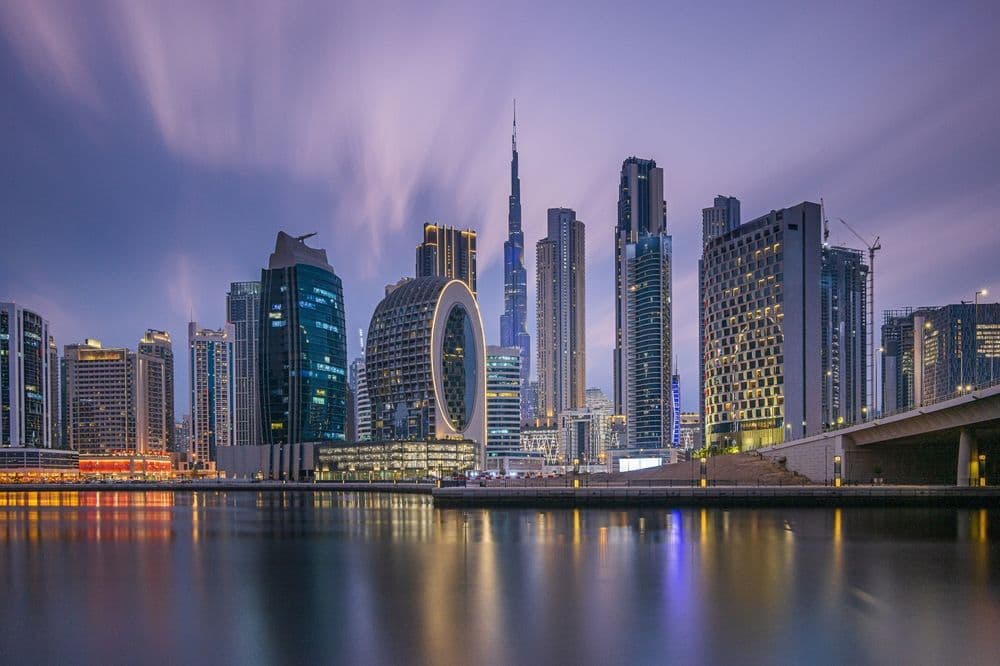
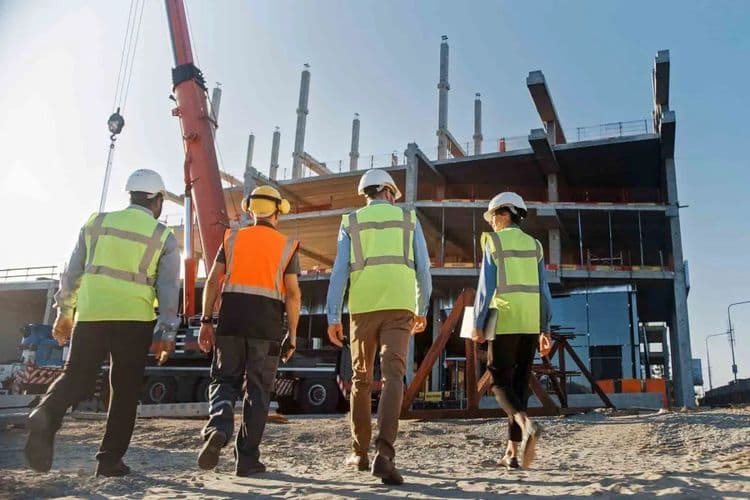
Betterhomes data shows that total residential sales climbed to USD 149bn (AED 547bn), representing a 28% year-on-year increase in value compared to 2024. Betterhomes data shows that total residential sales climbed to USD 149bn (AED 547bn), representing a 28% year-on-year increase in value compared to 2024. Image: Shutterstock

Dubai, UAE: Dubai’s residential real estate market entered a new phase of structural maturity in 2025, moving decisively beyond the post-pandemic surge into a more balanced and sustainable growth cycle. According to the latest Dubai Residential Market Report from Betterhomes, the year was characterised not only by record-breaking transaction volumes, but by a deeper shift in demand fundamentals driven by population growth and changing buyer behaviour.

While headline figures point to scale and momentum, the underlying data suggests a market increasingly supported by long-term residents, repeat demand, and improving financial depth rather than short-term speculation.

A USD 149bn year for residential sales

Market activity in 2025 reached unprecedented levels. Betterhomes data shows that total residential sales climbed to USD 149bn (AED 547bn), representing a 28% year-on-year increase in value compared to 2024. Transaction volumes also hit a new record, with more than 203,000 deals completed across the emirate.

Momentum remained consistent throughout the year. The fourth quarter alone accounted for USD 38.4bn (AED 141bn) in sales value from 53,500 transactions, underscoring sustained liquidity rather than a late-cycle slowdown. According to Betterhomes, this consistency reflects a market no longer driven by narrow speculative cycles, but by broad-based participation and repeatable demand.

Investors still lead, but end-users gain ground

A key structural shift highlighted in the report is the steady rise of end-users. Investors continued to account for the majority of transactions at 57% in 2025, marking the fourth consecutive year of investor dominance. However, the end-user share increased to 43%, signalling a growing cohort of residents transitioning from renting to ownership.

This trend has been reinforced by Dubai’s expanding population, which officially surpassed 4 million in 2025. The city is increasingly viewed as a long-term base rather than a transient destination. Supporting this shift, rental market data shows a record 530,000 rental contracts signed during the year, alongside a high renewal rate of 62%, pointing to a stabilising tenant base and longer-term residency patterns.

Watch: Dubai branded residences set to triple by 2031, leading global market

Efficiency-led demand and off-plan resilience

Despite continued interest in high-end and trophy assets, the core of market activity in 2025 was anchored firmly in mid-market efficiency.

Smaller units remained the most liquid, with studios, one-bedroom, and two-bedroom apartments accounting for 77% of all residential sales. Pricing also clustered within a defined affordability band, with approximately 72% of transactions falling between USD 136,000 and USD 817,000 (AED 500,000 to AED 3m), a segment favoured for its rental absorption and resale velocity.

Off-plan properties retained a dominant position, representing 65% of transaction volumes and 53% of total value. Betterhomes attributes this continued strength to flexible payment structures and sustained confidence in established developers, which have reduced perceived delivery risk for buyers.

Mortgage-backed purchases overtake cash

For the first time, financing dynamics shifted in favour of mortgage-backed transactions. In 2025, mortgages accounted for 52% of purchases within the Betterhomes network, overtaking cash deals at 48%. This transition reflects increasing confidence among lenders and greater participation from salaried residents securing primary homes.

The rise in mortgage penetration is widely viewed as a marker of market maturity, aligning Dubai more closely with established global residential markets where institutional financing plays a central role.

Demand continued to concentrate in established, high-liquidity communities. Apartment transactions were strongest in Dubai Marina, Jumeirah Village Circle (JVC), and Jumeirah Lake Towers (JLT), while villa and townhouse demand remained focused on Dubai Hills Estate and Tilal Al Ghaf.

The buyer base remained distinctly international. Betterhomes data identifies the top buyer nationalities in 2025 as India, the United Kingdom, Pakistan, Italy, and UAE nationals. Notably, the UK recorded a 56% surge in transaction activity earlier in the year, temporarily overtaking India as the leading buyer group during certain quarters.

2026 outlook

As the market transitions into 2026, Betterhomes forecasts a period of measured progression rather than acceleration. Average sale prices increased by 12% year-on-year in 2025 to reach AED 1,673 per sq ft (USD 455 per sq ft), but price growth is expected to moderate as new supply enters the market.

With more than 90,000 residential units expected to be delivered over the coming years, increased choice is likely to rebalance demand and ease the urgency that characterised parts of 2024. Combined with Dubai’s low inflation environment, recorded at 1.3%, and its investor-friendly regulatory framework, the data suggests the city has entered a phase defined less by volatility and more by long-term stability.

The 2025 figures ultimately point to a residential market that has evolved beyond momentum-led growth, positioning Dubai as a permanent and increasingly institutionalised player on the global real estate stage.