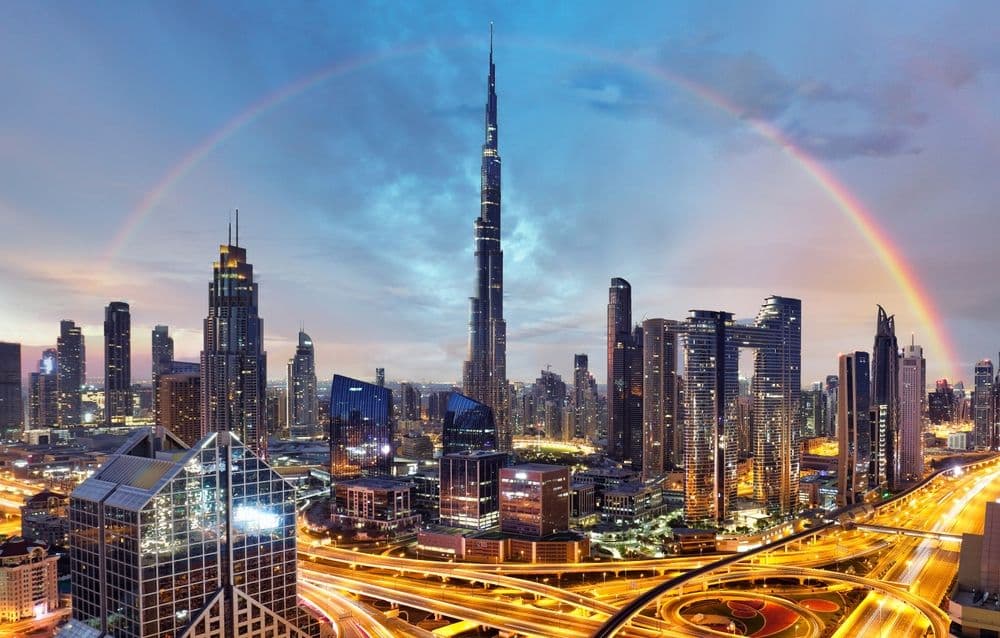
DUBAI, UAE – Dubai’s property market is beginning to show early signs of stabilisation approximately 67 days into the ongoing regional conflict, according to insights presented during betterhomes’ latest monthly market webinar held on Thursday.
The session provided one of the first comparative analyses examining market performance before and after the escalation of regional tensions, while also assessing the potential impact of several recent government policy developments on Dubai’s real estate sector.
Despite broader geopolitical uncertainty, transaction activity across Dubai remained relatively resilient during April, with total transactions increasing by just under 2 percent month-on-month.
Off-plan market continues to dominate
According to the analysis presented by betterhomes, off-plan sales continued to account for the majority of activity in Dubai’s property market.
Off-plan transactions represented approximately 76 percent of all deals in April, marking a 7 percent increase compared to March.
The continued dominance of the off-plan segment reflects sustained investor confidence in Dubai’s long-term development pipeline, even as market participants adopt a more selective and cautious approach amid evolving global conditions.
While secondary market activity remained comparatively softer, the company noted that overall listing supply has not significantly increased, suggesting that sellers are not rushing to exit the market despite regional uncertainty.
This trend indicates continued confidence among existing property owners and a market environment that remains relatively balanced rather than distressed.
Rental market adjusts as enquiries rise
The leasing segment also recorded notable movement during April, with tenant enquiries increasing by nearly 40 percent compared to previous periods.
At the same time, rental prices began to soften across parts of the market, with approximately 70 percent of listed properties recording rental reductions averaging just under 10 percent.
The adjustment could help improve affordability across Dubai’s rental market, particularly as the majority of residents in the emirate continue to live in leased accommodation.
The shift also reflects a market recalibration following a prolonged period of strong rental growth driven by population expansion and elevated demand over recent years.
Government policies could support future growth
During the webinar, betterhomes highlighted three recent policy and infrastructure developments that could influence future market performance and investor sentiment.
Among them was the removal of the AED750,000 ($204,000) investor visa threshold, which now broadens eligibility to a wider range of property purchases and potentially expands access for international investors.
The company also pointed to Dubai’s recently approved Gold Line Metro project, a major infrastructure initiative valued at approximately AED34 billion ($9.25 billion).
The proposed metro expansion will connect 15 districts across Dubai by 2032 and is expected to improve connectivity across several key residential and commercial corridors.
According to betterhomes, similar infrastructure projects have historically contributed to property price appreciation ranging between 8 and 11 percent in areas directly impacted by major transport upgrades.
The webinar additionally referenced the UAE’s reported exit from OPEC as a move that may provide the country with greater economic flexibility and support broader long-term strategic planning.
The discussion also addressed the increasingly common comparison between Dubai and London as global real estate investment destinations.
According to betterhomes, rising entry costs, higher taxes and tighter landlord regulations in the UK have made London materially less attractive to some investors compared to a decade ago.
At the same time, the company noted growing institutional interest from European capital targeting the UAE market, particularly Dubai’s residential and mixed-use sectors.
The emirate continues to attract global investors due to its relatively low-tax environment, strong infrastructure pipeline, population growth and long-term economic diversification strategy.